Ethically Sourced Stones
•
Free Samples
•
Australia wide delivery
•
Serving Globally Since 1993
•
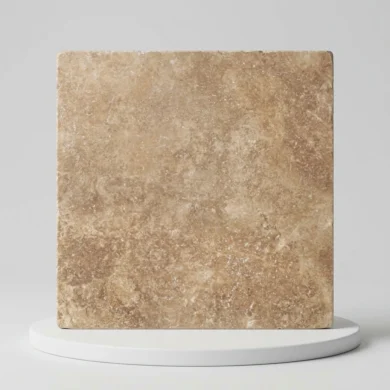
Natural Travertine Tiles bring real stone pores, texture and colour into floors, walls, bathrooms, kitchens and outdoor tiled areas. Stone Planet is a wholesale supplier of Travertine tiles and supplies standard 12mm Travertine Tiles in Honed, Unfilled, Tumbled and Honed and Filled finishes across Sydney, Melbourne and Brisbane. Choose the Tile by pore treatment, finish, size and layout first, then coordinate adjoining Pavers, coping and finished levels around the complete project.
Travertine Tiles repeat the same stone, finish and joint detail across every sqm of a floor or wall, so small differences become obvious once the area grows. Choose the actual Tile before the layout is locked and compare the pore treatment, surface finish, thickness, size and calibration together.
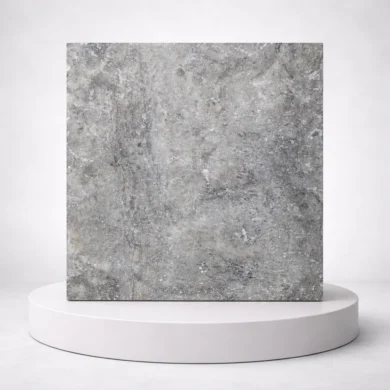
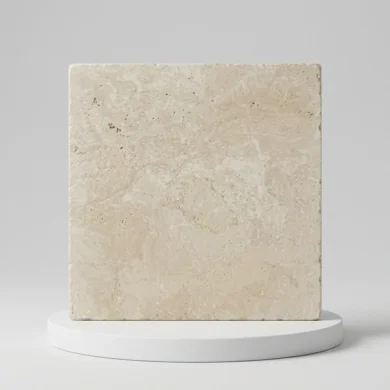
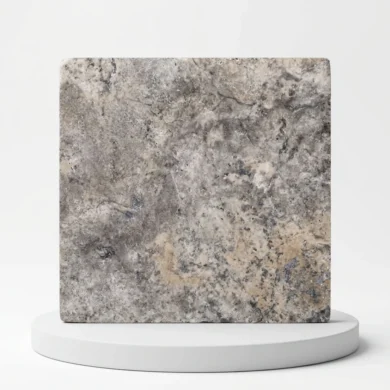
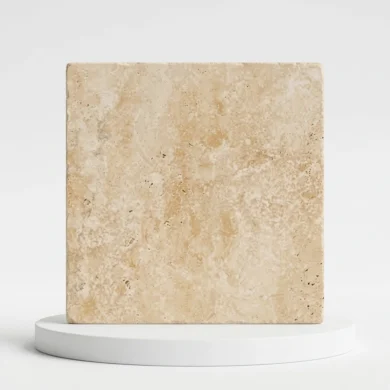
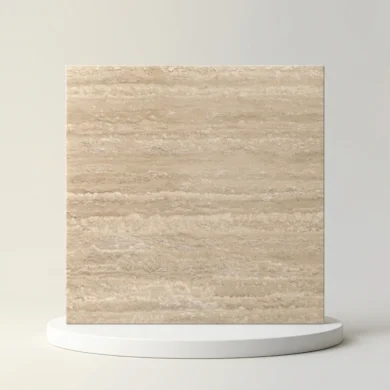
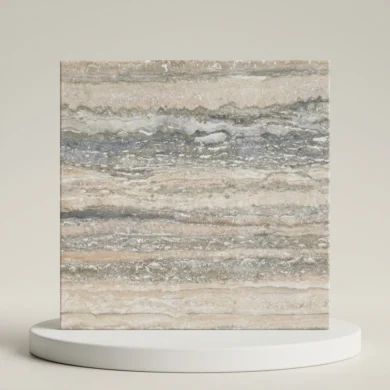
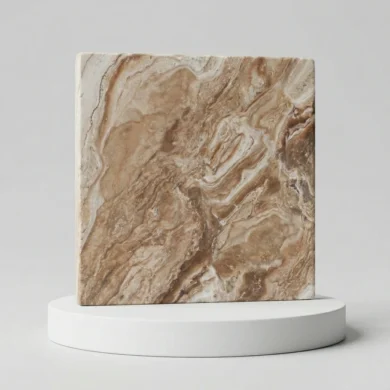
Stone Planet supplies Travertine Tiles in products including Premium Ivory Travertine, Premium Classic Travertine and Silver Travertine with more colours and formats across the wider Travertine range. Compare the actual Tile on the quote – including its finish, thickness and dimensions – rather than assuming a colour name always describes the same product.
Filled Travertine Tiles close more of the natural voids and create a flatter face. Unfilled Travertine Tiles keep more pore character visible and tactile, which gives the floor or wall a more open natural stone surface.
Neither treatment automatically means higher quality. Choose filled or unfilled Travertine around the look, cleaning expectations and actual use of the tiled area.
Honed Travertine Tiles have a smooth matte face that keeps the natural stone visible without a polished shine. Stone Planet supplies Honed Travertine Tiles for floors, walls and other tiled areas.
Stone Planet also supplies Honed and Filled Travertine Tiles for projects that call for a flatter surface with less open pore character.
Tumbled Travertine Tiles soften the face and edges and create a more weathered appearance with a looser joint line. Stone Planet supplies Tumbled Travertine as part of its Tile range, alongside Honed and Unfilled finishes.
Stone Planet’s standard Travertine Tiles are 12mm thick with 15mm Travertine Tiles also available for project orders.
Tile thickness affects finished floor levels, thresholds, wall build-up and the way the surface meets adjoining stone. It does not decide by itself whether Travertine belongs indoors or outdoors.
Common Travertine Tile sizes include 610 x 406mm, 406 x 406mm and 610 x 610mm. These sizes cover rectangular and square layouts across floors and walls.
| Common Travertine Tile size | How it can affect the layout |
| 610 x 610mm | Larger square format with fewer joints across open floors. |
| 610 x 406mm | Rectangular format suited to regular floor and wall layouts. |
| 406 x 406mm | Smaller square format with more joints and flexibility in tighter areas. |
Relevant calibrated Travertine products carry a stated thickness tolerance of approximately +/-2mm. Calibration gives the installer a clearer dimensional benchmark but it does not guarantee zero lippage or lower labour cost.
French Pattern Travertine Tiles use 610 x 406, 406 x 406, 406 x 203 and 203 x 203mm pieces in one repeating set. Stone Planet supplies French Pattern Travertine Tiles in the confirmed four-piece format, including 12mm project orders.
Before ordering, compare the piece mix, finish, thickness and quoted coverage because French Pattern packs can differ between suppliers even when the pattern name is the same.
Travertine Floor Tiles suit living areas, hallways, bedrooms and other interior floors. Natural Travertine flooring shows more variation across a large area than one sample can capture. Travertine quality and batch checks matter more as connected areas grow, so compare several pieces together and plan connected rooms as one quantity when a consistent floor matters. If you are still choosing the stone, compare other natural stone flooring options before locking the Tile size and finish.
A 12mm Travertine Tile floor also needs its finished levels considered early, particularly where it meets external doors, stairs or thicker outdoor stone.
Travertine bathroom Tiles and kitchen Tiles suit natural stone floors and walls where the project calls for a tiled finish. Filled Travertine creates a flatter cleaning surface while Unfilled stone keeps more of the natural pore character visible.
For a Travertine bathroom floor or other wet area, match any required slip evidence to the actual stone and finish. Travertine is calcareous stone, so acidic bathroom or kitchen cleaners can etch the face; use a neutral cleaner made for natural stone.
Travertine Wall Tiles create a flat natural stone wall surface and can continue the same stone used on a floor. Crosscut gives a softer face while premium-quality Vein Cut Travertine gives walls stronger linear banding. For a heavier, more textured stonework look, Natural Stone Walling creates a different physical wall finish from flat Travertine Tiles. Wall-cladding projects also need corners, format and quantity resolved early when the wall stone is being coordinated with tiled floors.
Outdoor Travertine Tiles are used across patios, alfresco areas, balconies and exterior tiled floors. Exterior Travertine flooring needs the finish, substrate, installation and intended use resolved around the actual area. Travertine Tiles can also continue an indoor stone floor into an adjoining outdoor tiled area when the project is designed around that connection.
For projects using a thicker landscape-paving format, Travertine Pavers take over outside the tiled areas. For pool surrounds that use a tiled surface, coordinate outdoor Travertine Tiles or adjoining Pavers with the pool coping and match any required slip evidence to the actual stone, finish and batch.
The difference is the physical format and the finished surface, not a simple indoor-versus-outdoor rule. Travertine Tiles suit tiled floors and walls indoors and outside while Travertine Pavers serve the thicker landscape-paving side of a project.
| Decision | Travertine Tiles | Travertine Pavers |
| Stone Planet standard thickness | 12mm | 30mm |
| Other confirmed thickness option | 15mm available for project orders | 20mm available for project orders |
| Typical project role | Floor, wall or suitable tiled outdoor surface | Outdoor / landscape paving surface |
| Main planning issue | Tile size, finish, joints, floor or wall levels | Paver size, pattern, coping, steps and paving levels |
When one project uses both formats, choose the stone and finish together, then resolve each thickness and finished level around the area it serves.
Travertine lookalike porcelain suits buyers who want a manufactured surface with more repeatable colour and pattern. If you are looking for cheap or economical travertine tiles, It is better to get Porcelain lookalikes. Natural Travertine Tiles bring real stone pores, variation and non repeating character, together with the cleaning and care requirements of a calcareous natural stone.
| Decision | Natural Travertine Tiles | Travertine-look porcelain |
| Appearance | Natural variation from piece to piece and lot to lot | Manufactured appearance designed for greater repeatability |
| Surface character | Real pores and natural stone texture | Manufactured surface and printed / formed Travertine look |
| Care | Use natural stone-appropriate cleaning and maintenance | Follow the porcelain manufacturer care requirements |
| Best fit | Buyer wants genuine natural stone character | Buyer prioritises manufactured consistency |
Neither material needs a blanket better-or-worse claim. The right choice comes down to whether the project values genuine natural variation or manufactured repeatability more strongly.
Travertine flooring can continue from an interior floor into an exterior tiled area without using the same thickness everywhere. Keep the stone and finish coordinated while resolving thresholds, falls and adjoining levels around the indoor and outdoor build.
A project can use 12mm Travertine Tiles inside and standard 30mm Travertine Pavers outside while keeping a related stone character across the property. Plan the two surfaces together when colour and batch coordination matter and do not rely on a later order matching the first material exactly.
When a tiled floor or outdoor Tile area meets a pool edge or level change, choose the Pool Coping and Treads and Risers with the main Travertine so the stone, finish, edge profile and finished levels work together.
Stone Planet’s current Travertine Tile price range is approximately $55 to $90 + GST per m². Buyers often ask for the average price of Travertine Tiles but a current range is more honest than one midpoint because Travertine flooring cost changes with the stone, quality, Tile size, thickness, finish, pore treatment and quantity.
When comparing Travertine Tile cost per sqm, make sure both quotes describe the same Tile. Honed, Filled, Unfilled, Tumbled and French Pattern products can differ in processing, format and project requirements.
For anyone comparing Travertine Tile suppliers, the useful comparison is the delivered cost of the same natural stone Tile specification rather than the lowest headline rate.
Selected Travertine Tiles are offered at sale or promotional prices. Compare the discounted Tile by stone, 12mm thickness, size, finish, pore treatment and available quantity because the sale price applies to that product, not the whole Travertine range.
A discounted or lower-priced Tile can be good value when the product suits the project. Price alone does not make two different Travertine floor Tiles equivalent.
Stone Planet supplies Travertine Tiles to homeowners, builders, designers, trade professionals and resellers. Wholesale Travertine Tile pricing reflects the product, quantity and delivery requirement, so larger floor or wall orders are quoted against the complete Tile specification.
Stone Planet’s Denizli factory handles sizing, finishing, calibration, quality control and batch-lot management before Travertine Tiles are packed for Australia. That direct involvement matters because small differences repeat across every joint in a floor or wall.
Relevant calibrated Travertine products carry a stated thickness tolerance of approximately +/-2mm and Stone Planet checks finish and batch details against the Tile order. Natural variation remains part of the material, so these checks do not turn Travertine into a perfectly uniform manufactured surface.
Stone Planet’s standard Travertine Tile is 12mm with 15mm Tiles available for project orders. Stone Planet also supplies custom Travertine Tile requirements across cut, size and finish through its Turkish factory and quarry network.
Stone Planet supplies residential, trade and wholesale Travertine Tile orders across Australia. Samples show the pore character and finish while several pieces together give a better sense of how a larger Travertine floor or wall will read.
When Tiles connect with exterior paving, coping or other stone, plan the main package before ordering so the material and finished levels can be coordinated together. Planning the complete outdoor stone package early is especially useful where several natural stone areas meet across one property.
No. Timber subfloors like particleboard or plywood naturally bend when walked on and expand with humidity. If you glue natural travertine tiles directly on timber, this will crack the tiles, and the grout will pop out. Your tiler must first mechanically fasten a rigid tile underlay like slate over the timber, then tape the joints, and finally glue the tiles to that stable surface.
Key Technical Attributes:
For the Australian homeowner, a travertine tile represents a perfect balance of geological history and modern performance. It is a durable, long-term building material that offers superior thermal properties and a unique, non-repetitive organic pattern that man-made alternatives cannot authentically replicate.
Because travertine is a light-colored, porous limestone, you or the tiler must use a premium, white, flexible cement-based adhesive. Using a standard grey adhesive can cause framing issues where the dark grey moisture can leak through the edges of the stone and permanently stain it from underneath.
Opt for Honed and Filled Travertine Tiles
For bathroom floors and walls, Honed and Filled Travertine Tile is the best recommendation.
The "Filled" Advantage
In this process, the natural pits and voids of the stone are filled with a colour-matched resin or grout. This creates a solid, uniform surface where soap scum, moisture, and bacteria cannot settle, making it significantly more hygienic and easier to mop than unfilled stone.
The "Honed" Finish
Honing provides a smooth, matte surface. Unlike a high-gloss polished finish—which can be extremely slippery when wet—a honed surface offers a velvety feel that provides a safer "grip" for bare feet while maintaining a sophisticated, modern look.
Check the Slip Rating (AS 4586)
Consider Tile Size and Layout
Sealing is Essential
Regardless of the finish, travertine is a natural stone and is inherently porous. In a bathroom, it must be sealed with a high-quality penetrating sealer before and after installation. This invisible shield prevents water from soaking into the stone and protects it against stains from shampoos, oils, and cleaning products.
Back buttering is a mandatory technique for natural stone. The tiler spreads adhesive on the concrete floor with a notched trowel and also spreads a thin, flat layer of adhesive on the entire back of the tile before laying it. This ensures 100% coverage of the adhesive and eliminates hollow air pockets beneath the tile that could cause the stone to crack if something heavy is dropped on it
While honed and filled indoor travertine tiles are smooth to the touch, the honed, also known as matte finish, provides a much higher coefficient of friction than high-gloss polished tile or glazed ceramic tiles. It is very comfortable and safe for residential bathrooms, provided spills are wiped up quickly.
Because travertine is a porous stone, dark or colored grout can penetrate the surface holes and cause grout haze, in other words, a cloudy stain over the whole floor. The tiler must apply a pre-sealer coat to the tiles before applying the grout. This stops the grout from soaking into the stone, making the cleanup process clean and sharp
Yes, it is one of the best materials for it. Natural stone has excellent thermal conductivity. However, because the floor will constantly heat up and cool down, your tiler must use a highly flexible adhesive and flexible grout to handle the continuous thermal expansion and contraction without cracking the travertine tiles.
Concrete slabs naturally expand in the heat and contract in the cold. If you tile a massive open living room, let’s say around 6sqm or more, without an expansion joint, the pressure of the expanding concrete will shift into the tiles. This will cause them to buckle or tent off the floor.
Yes. Travertine is a calcium-based natural stone, meaning acidic liquids (lemon juice, vinegar, tomato paste, wine) will cause an etch mark. This dull, rough spot where the acid has eaten away the honed finish can be troublesome. That is why sealing your kitchen tiles is non-negotiable. A high-quality sealer gives you ample time to wipe away acidic splatters before they react with the travertine tiles.
Standard cement grout is porous and can absorb dirty mop water or spills over time. Epoxy grout is made from resins, which makes it 100% waterproof and incredibly hard. For high-traffic wet areas like travertine shower floors or kitchen splash backs, using epoxy grout ensures the joints stay pristine and never require harsh chemical scrubbing
12mm outdoor travertine tiles can be laid over the concrete, but you cannot simply glue them directly if there are any cracks. Concrete cracks will undergo reflective cracking, which means the crack will tear straight up through the adhesive and crack your new travertine tile. Your tiler must first repair the slab and apply an anti-fracture membrane (a flexible, rubberized mat or liquid coating) over the cracks to isolate the stone from the movement in the concrete.
It completely depends on the existing installation. On a bare concrete slab, 12 mm Travertine Tiles plus adhesive usually fit under most door clearances. On top of existing flooring, you may need to remove the old surface or plane doors to keep levels right.
Yes, usually the balconies have a concrete bedding. To ensure the colour matches your indoor installation, you can choose the right finish for the same stone and install it at both locations. Honed & Filled Travertine tiles are preferred for indoors, and unfilled finish for outdoors. Stone Planet can provide you with both from the same batch and quarry to ensure the premium travertine tiles match your installation areas.
The principle is the same everywhere: a good penetrating sealer that suits natural stone. In kitchens and bathrooms, you might reseal a little more often because of regular cleaning and spills, but the type of sealer stays consistent for all travertine indoor and outdoor tiles.
Not necessarily. Softer colours like Ivory and Classic Beige with a honed and filled finish often make small rooms feel calmer and larger. Strongly patterned tiles or French Pattern sets in the travertine tiles can overwhelm tight spaces, so we at Stone Planet can help you choose the right tone and movement for each room.
Most travertine floor tiles can be repaired easily. If you have spare tiles from the original batch of your installation, a tiler can usually lift the damaged tile, clean the bed, and replace it without pulling up the whole room. That’s one reason we suggest keeping some extra stock.
Porcelain keeps a printed pattern, which means each tile will be the same. Travertine keeps its real stone surface. Over time, many clients find that Natural Travertine Tiles age in a way that suits the home better, especially when they’re cleaned and sealed properly