How is Slatestone different from other Natural Stone Materials?
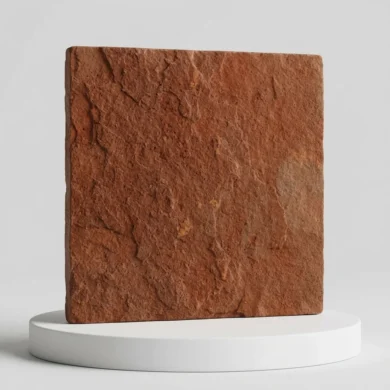
Slatestone is a fine-grained metamorphic rock that is formed over millions of years by the shifting tectonic plates under extreme heat and pressure. This formed natural layers that split into flat and durable sheets known as Foliation. The quarry workers can now split the stone along the lines to create its natural cleft finish. This finish gives Slatestone tiles their grip underfoot and their distinct look on walls and floors. Each tile also carries unique tonal variation and earthy texture that manufactured alternatives cannot replicate.
Therefore, Slatestone stands apart from porous sedimentary rocks like limestone or travertine. It does not rely on surface finishing to achieve its slip resistance. Its natural split face finish provides good grip, making it ideal for steep pathways, wet pool areas, and outdoor entertaining zones where safety is a primary concern. Also, slatestone has a low water absorption rate, making it a waterproof building material. It inhibits any organic growth, such as algae and moss, and resists freezing temperatures quite well. That is why Landscapers rely on slatestone outdoor pavers for damp, shaded areas where softer stones would quickly degrade.
Stone Planet supplies premium slatestone pavers, tiles, stackstone & loose-style wall cladding with new crazy paving formats for high traffic residential and commercial projects.
Understanding the Natural Cleft Finish
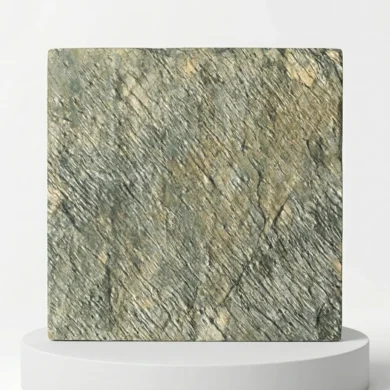
Slatestone is the first stone to be found with a Natural cleft finish. This finish delivers two benefits :
First, it creates an uneven aesthetic on the surface, full of organic tones. Second, the irregular surface provides a great anti-slip grip. These make slatestone one of the safest possible materials for outdoor wet areas, sloped pathways, and steep driveways.
Why Tradesmen choose Slatestone?
Tradesmen do not pick Slatestone by accident. They choose it for specific reasons.
- They want a floor or wall with real texture, not a printed effect.
- They need natural resistance on paths, steps, or pool surrounds.
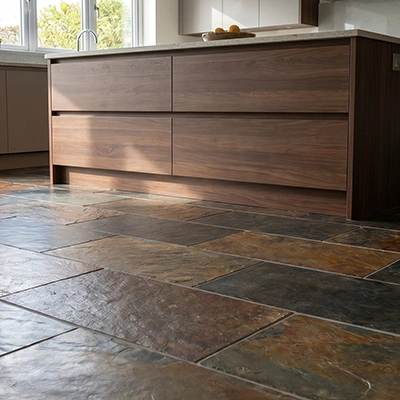
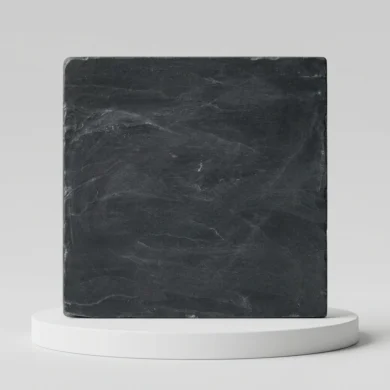
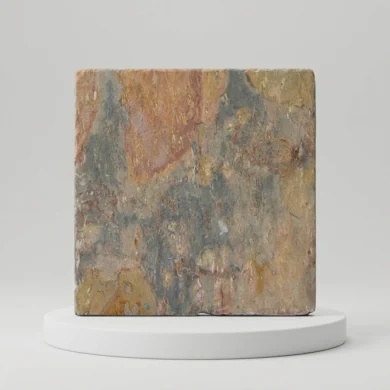
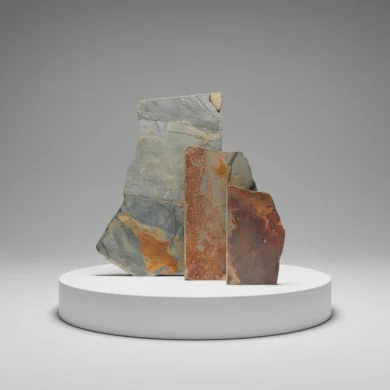
- They like deeper colours and strong contrast more than pale shades. Deep charcoals, moody greys, warm rusts, and copper shades appear across different slatestones which have a slight shimmer on the surface under the light.
- Slatestone handles temperature fluctuations without cracking. This stone absorbs heat slowly during the day and releases it gradually. This makes it comfortable underfoot across seasons, from hot summer afternoons to cool winter mornings.
What are the different sizes or formats of Slatestone?
Slatestone Crazy Paving
Crazy paving remains the most popular format for this material. Quarries supply large, irregular polygonal slabs ranging from 300 to 800mm in dimension. Landscapers piece these random shapes together on site like a giant mosaic, creating a unique flooring or walling design. This format runs away from the usual lines and perfectly suits curved garden paths or organic poolside borders in leafy suburbs like Sydney’s North Shore.
Slatestone Tiles for Indoors
For interior spaces, we calibrate our slatestone tiles to 10 to 12mm thickness. Tilers glue these thin, lightweight units directly to a concrete slab.
It can be used for:
- Kitchen and dining floors where clients want a tougher and more grounded finish
- Entry floors that need to cope with grit from outside
- Fireplace surrounds and feature walls that need real shadow and depth
The split texture stays, but overall height is controlled so you can run neat transitions to adjoining finishes.
Slatestone Pavers
Outside is where Slatestone really proves itself. The stone is dense and absorbs very little water. It copes with temperature swings without cracking when installed correctly. The average thickness preferred is 30mm.
When outdoor surfaces get wet, you want a stone that helps you stay on your feet. Slatestone does that without needing heavy surface treatments.
Slatestone Natural Wall Cladding
Slatestone wall cladding, also known as stacked stone have a mesh-backed panel, which makes it one of the easiest natural stones for wall cladding. They are pre-assembled panels of thin slate strips glued together on a 600x150mm mesh size. Stone Planet supplies stacked stone panels and loose ashlar pieces in bulk Australia-wide.
Feature walls using Slatestone behind fireplaces, in entries, or around stair cores tie the internal and external parts of a design together. The same stone can appear outside on landscape walls and inside on a key surface, creating a clear link between the two.
Are there any Maintenance Tips for Slatestone?
Slatestone demands less maintenance than travertine or limestones but there is still a need to follow specific protocols.
Sealing: Pre-sealing before installation protects the slatestone from staining during the bedding process. Dip-sealing all faces and edges creates an invisible barrier that blocks oil and moisture from penetrating the stone. This step often gets skipped by many installers and homeowners, but fixing stains after installation is costlier than taking precautions earlier.
Regular cleaning using pH-neutral stone cleaner mixed with warm water. It is the same as all natural stones. You can contact our team to get insights on how to do deep cleaning.
Avoid high-pressure jets during cleaning. Concentrated pressure can chip the natural layers of the natural cleft surface of the slatestone. This can cause flaking on the top surface and make the stone thinner with time and wither away.
Professional Installation is Recommended
Professional installation makes the difference between an aged surface and one that fails prematurely. Proper base preparation comes first. A compacted road base provides stability for exterior paving, while interior installations require a properly levelled subfloor.
Then comes dipsealing. Pre-sealing all faces and edges before laying protects the stone from staining during the bedding process.
Post-installation sealing applies a final coat of penetrating sealer once the surface is clean and dry. This locks in protection and enhances the stone’s natural colour.
Who is the best supplier of Slatestone in Australia?
Sourcing high-density slate requires a proper quality control process. Low-grade slate tiles contain weak minerals that cause excessive flaking and structural failure.
Stone Planet is the premier slatestone wholesale supplier in Sydney, Melbourne, and Brisbane. Our direct import model allows us to offer premium slatestone flooring and slate stacked stone wall cladding at highly competitive prices. Stock is selected for Australian conditions, where occasional salt, heavy sun, and mixed temperatures test materials. That selection work means you are not gambling on an unknown quarry quality.