Most stone that arrives in Australia has passed through several hands. A quarry sells to a processor. The processor sells to an exporter. The exporter sells to an importer. By the time it reaches a wholesaler here, nobody in the chain has seen the stone come out of the ground and nobody can tell you why this pallet looks different from the last one.
We took a different route. Stone Planet runs its own factories overseas, which means our people handle the cutting, calibration, finishing and grading themselves. They pack the crates. They record the batch. When a customer calls two years later wanting fifteen more sqm to finish a courtyard, we have a real chance of finding stone from the same production run instead of guessing.
It also means our answers are first hand. Ask us why one travertine selection carries more open pores than another and you'll get an explanation from someone who has watched both come off the same line.
We don't own the quarries and we won't claim we do. We work with quarry partners, some of them for decades. The stone comes out of their ground and into our factories.
Our own facilities sit in Turkey, India and Egypt. Turkey handles most of our travertine and a good share of the marble and limestone. India covers granite, sandstone, slate and a broad range of cobblestone and walling formats. Egypt brings limestone and marble selections that are hard to match anywhere else.
We also buy from international suppliers outside our own network because no single region produces everything worth having. Those suppliers get vetted by our own team before we place an order and again on the material that arrives. If a shipment doesn't meet the standard we've set, it doesn't go into stock.
Walk through the industry and you'll see the words premium, select, first choice, standard and commercial used constantly. Almost nobody explains that these are commercial labels applied by individual quarries, factories and suppliers. There's no single accredited grading authority sitting behind them. One supplier's premium is another supplier's standard.
We supply both premium and standard quality and we'll tell you which one you're looking at and what the difference actually is: hole count and size, filler quantity, cut precision, thickness consistency, colour spread across the lot.
Sometimes the standard grade is the right call. A rustic tumbled paver going into a bush garden doesn't need the tightest, palest, most uniform stone in the crate, and paying for it makes no sense.
What we won't do is sell you standard grade at a premium price and hope you don't notice.
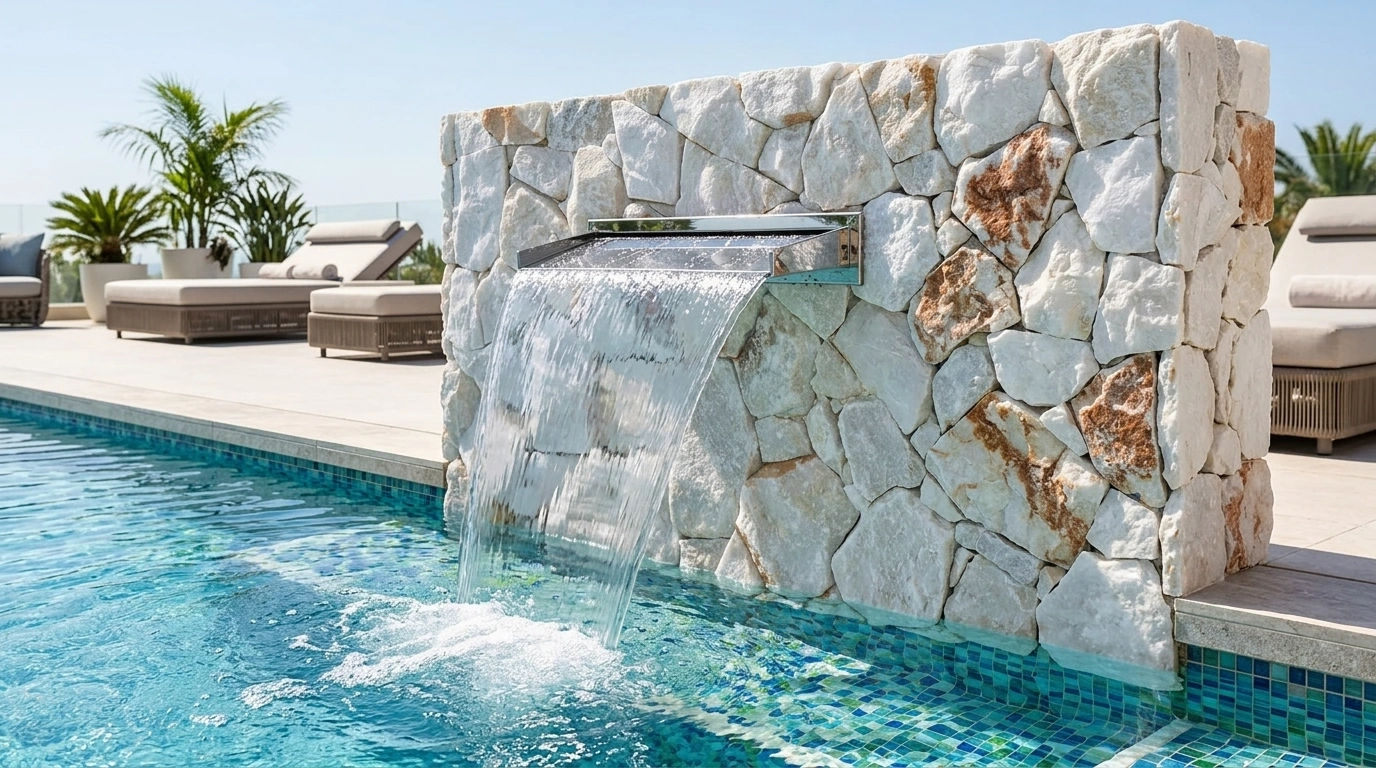
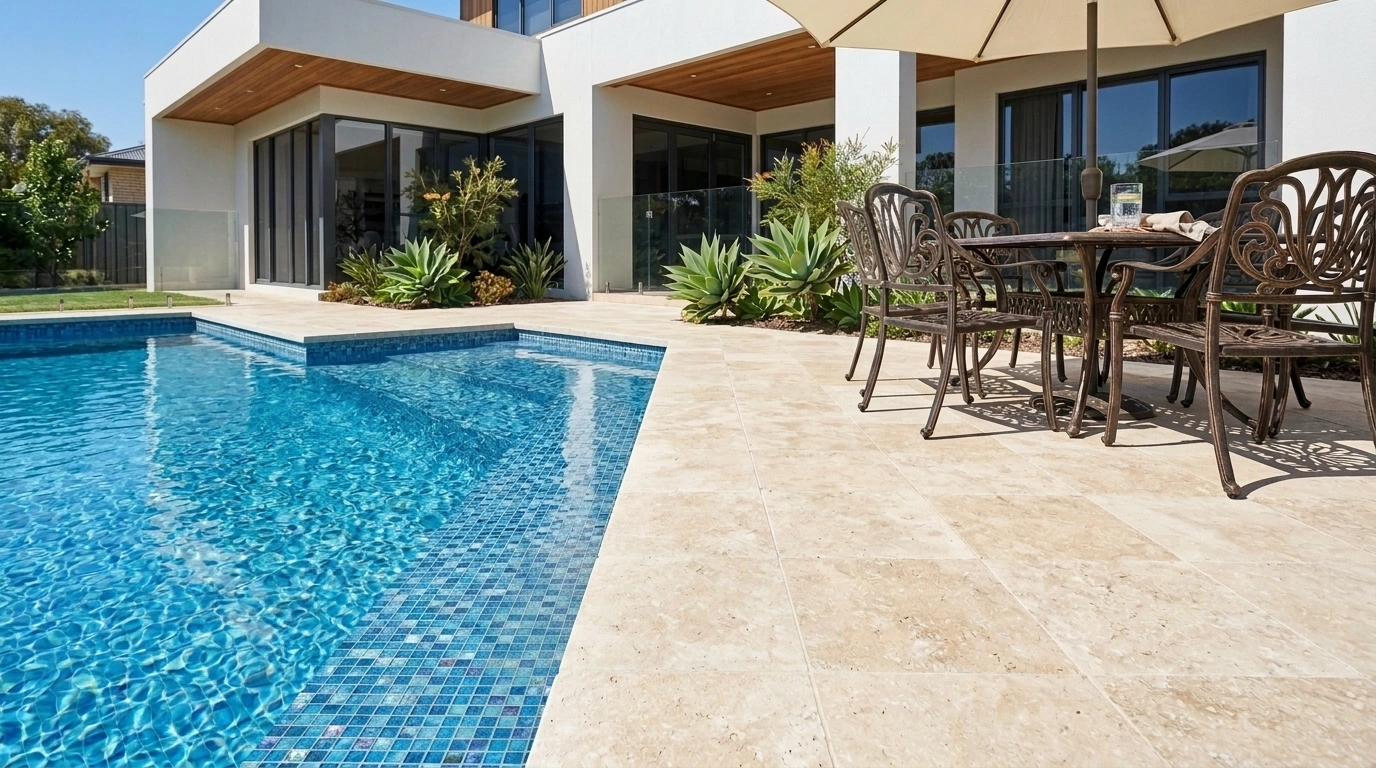
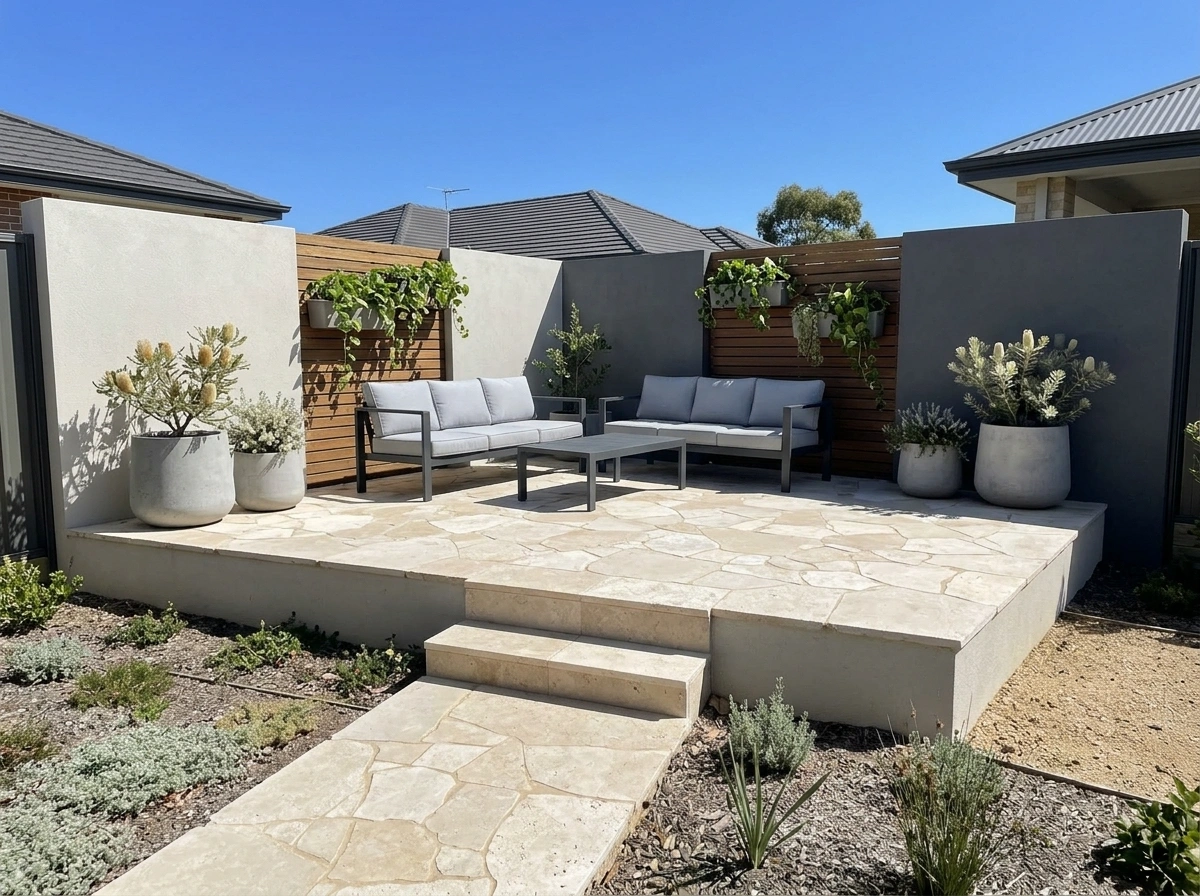
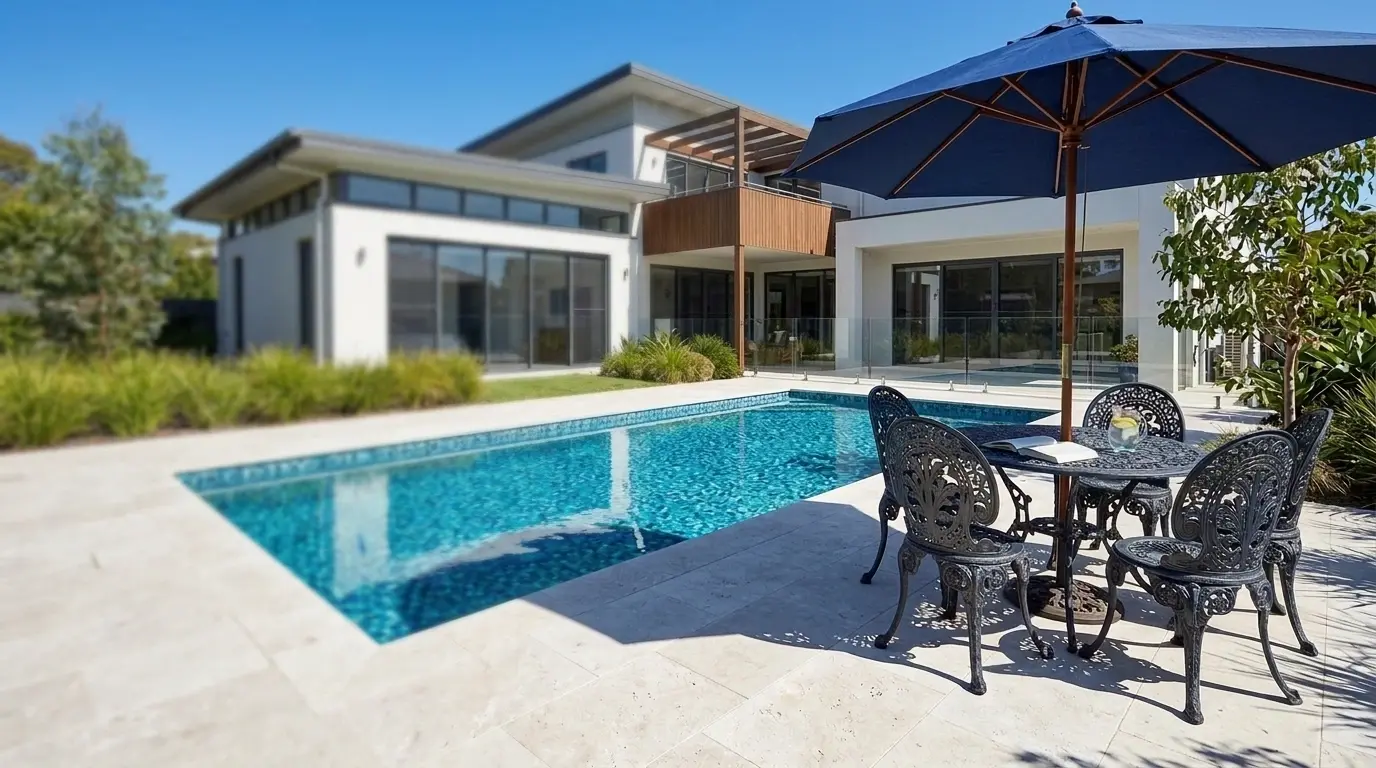
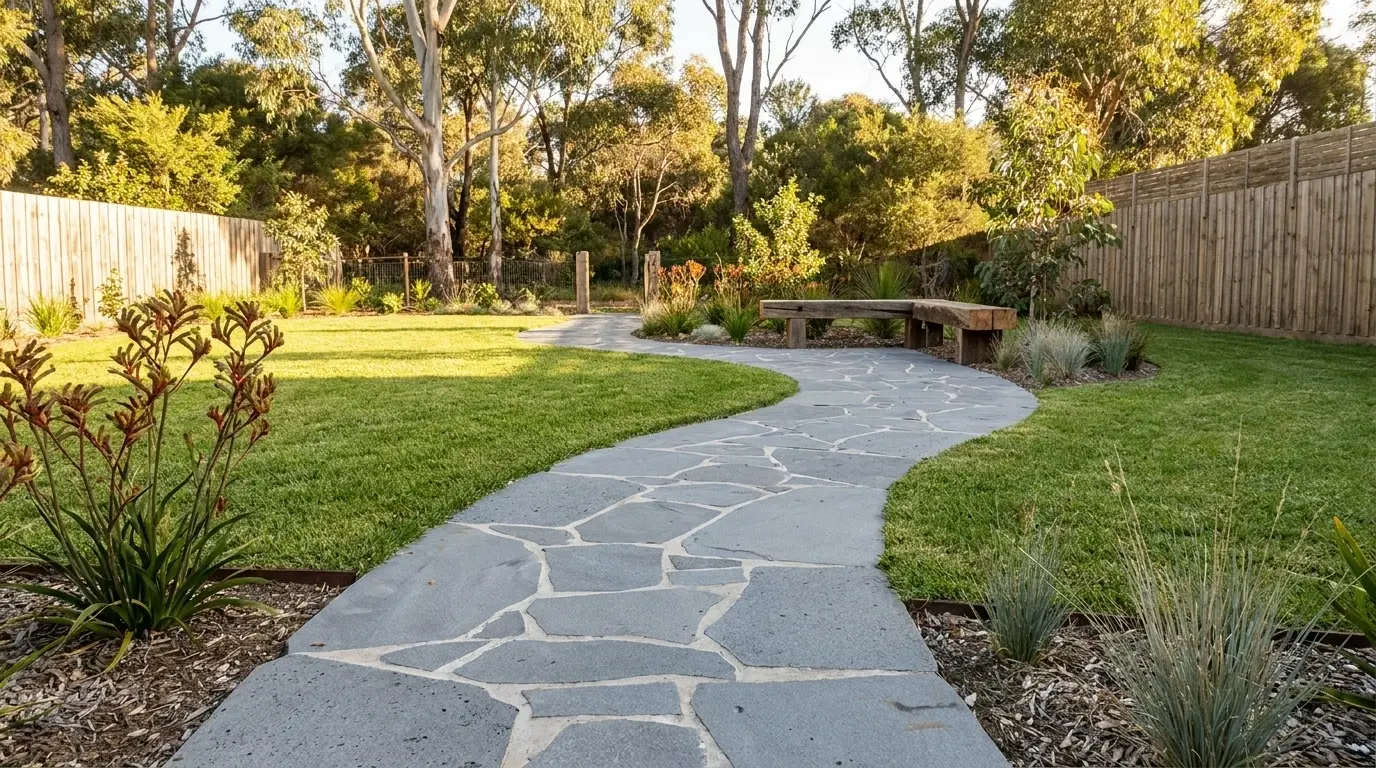
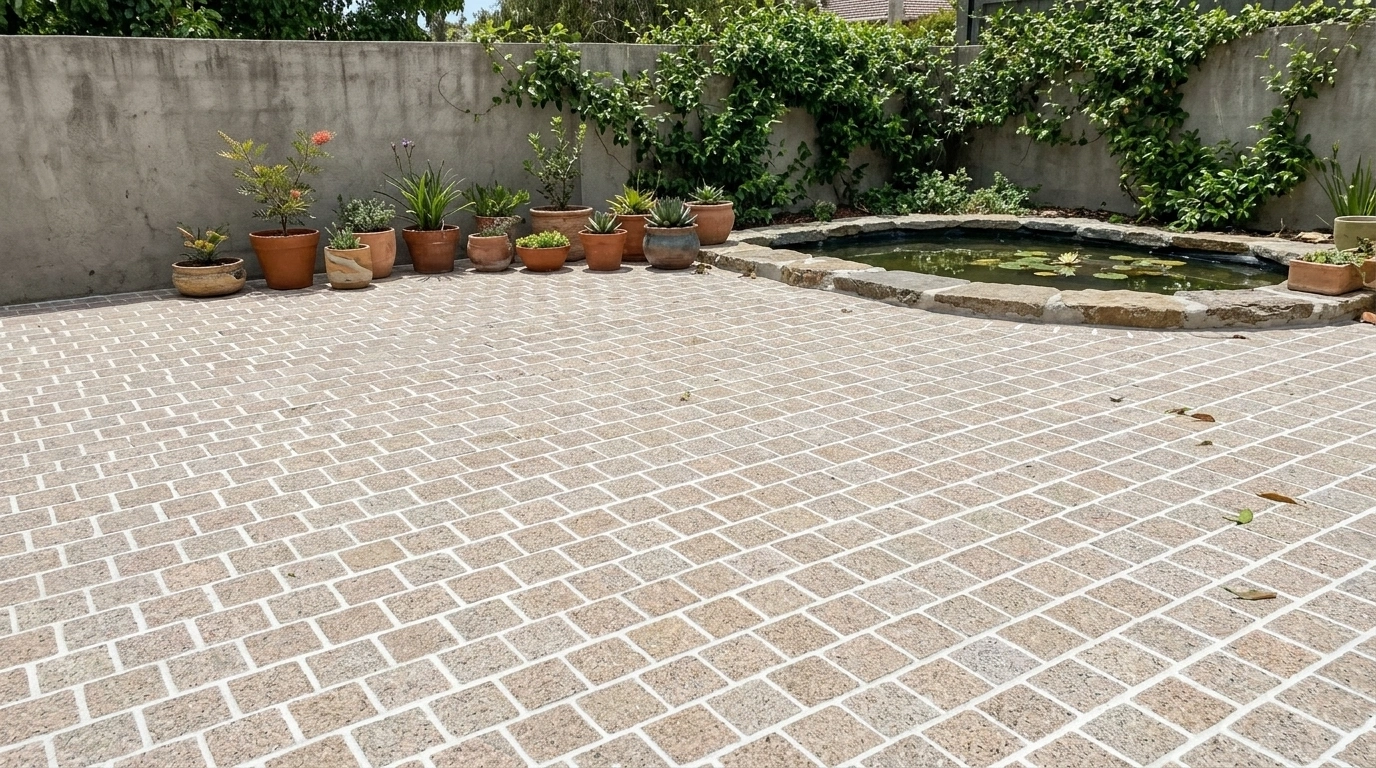
Flooring formats: stone pavers, stone tiles, crazy paving, cobblestones, pool coping, treads and risers, and stepping stones.
Walling formats: ledge stone, loose style, stacked stone and traditional walling.
Materials: travertine, limestone, marble, granite, sandstone, bluestone and slate.
Because we cut across formats in our own factories, we can usually coordinate a pool surround, its coping, the step treads and the internal flooring from the same material and the same production window. That coordination is where most stone projects come unstuck, and it's difficult to fix after the fact.
Both. Homeowners, builders, landscapers, architects and stone masons all buy directly. Trade customers can register for a trade account with volume based pricing.Homeowners doing one renovation in their lives. Builders running six sites at once. Landscapers who want to know the paver will still look right in five summers. Architects who need dimensions, finishes and technical detail before a drawing goes out.
We hold trade accounts with volume pricing for professionals, and we send free samples anywhere in Australia to anyone, trade or not. Nobody should commit to a floor from a photograph on a screen. Screens lie about colour, and they say nothing at all about texture.
Our motto has stayed the same since the beginning: wholesale prices for all flooring and walling. Not wholesale prices for big accounts. For everyone.
We hold stock in Sydney, Melbourne and Brisbane and deliver Australia-wide, including regional and remote sites. Holding local stock is the difference between starting a job this month and waiting on a container.
Freight timing depends on where you are and what you've ordered, so we'd rather quote you honestly on the day than publish a number that won't hold for the Kimberley and the Sydney CBD at once. Ask us and we'll give you a real answer.
This is one of the things we say about ourselves, so it's fair to explain what we mean by it and what we don't.
We mean that we know where our stone comes from and who handles it. We own facilities rather than buying blind through brokers, we've worked with the same quarry partners for years, and the external suppliers we use are vetted by our own people rather than accepted on a certificate.
We don't claim third-party accreditation, chain-of-custody certification or carbon neutrality, because we don't hold those things. When we do, we'll say so and show you the paperwork.


The fastest way to judge a stone supplier is to make them prove something. Order a free sample and put it on your own site, in your own light, next to your own render and joinery. Ring us with the awkward question, the one about slip ratings or lot matching or why one quote is thirty dollars cheaper per square metre. See what kind of answer comes back.
Since 1993. The business started with two people and now employs more than 80 across its international operations.
No. Stone Planet owns and operates its own factories in Turkey, India and Egypt, and works with independent quarry partners who supply the raw stone. The cutting, calibration, finishing, grading and packing happen in Stone Planet's own facilities.
Sydney, Melbourne and Brisbane, with delivery Australia-wide to metropolitan, regional and remote locations.
Yes. Free samples ship anywhere in Australia, for trade and retail customers alike.
Both. Homeowners, builders, landscapers, architects and stone masons all buy directly, and the same wholesale pricing structure applies.
It's a commercial grading label applied by individual quarries, factories and suppliers, judged mainly on hole size and count, filler quantity, cut precision, thickness consistency and colour uniformity. It is not a single accredited industry standard, so grades are not directly comparable between suppliers.