Choosing Stone Cladding for a Boundary Wall
A boundary wall is seen from the street, the driveway, the gate and often from inside the yard as well. That makes the long view and the close-up details equally important: the colour spread across the wall, the joint pattern, the corners and the stone around piers or entry points all stay visible.
Long runs make natural variation easier to notice. Instead of treating the wall as one flat square-metre figure, look at how the stone will continue across straight sections, returns and changes in height. Corners and piers break the run while an uninterrupted section shows the full colour and texture of the walling.
Stone Cladding on a Supporting Wall
The stone forms the visible face; the wall or fence structure behind it does the structural work. Stone Planet supplies natural stone wall cladding as facing, so the supporting wall, footing and fixing method stay with the builder, landscaper, stonemason or engineer.
If an existing wall is being clad, have the installer confirm that it is suitable before the stone is ordered. Also allow for the finished build-up around gate openings, returns and narrow piers, because cladding adds depth to every face it covers.
Corners, Returns, Gates and Pillars
Measure the front face first, then walk the wall and count every return, external corner wall end, pier and gate post that will also be clad. A pier has several narrow faces, so it creates more cuts and more corner work than the same area spread across a plain run.
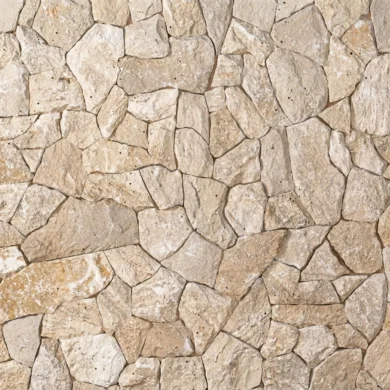
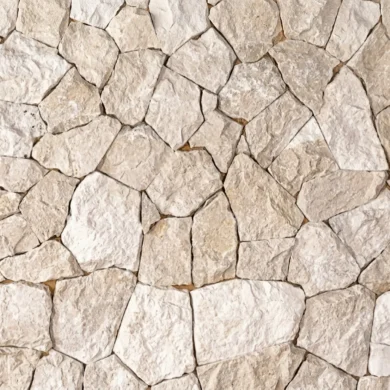
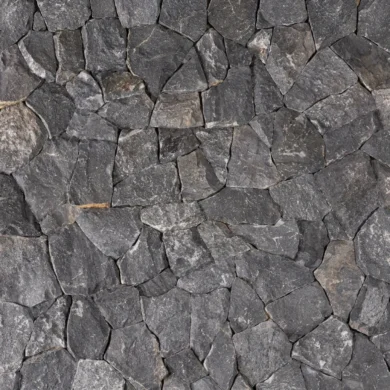
Corner treatment differs by walling family. Loose style uses purpose-made L-shaped corners while the panelised ranges use their own corner arrangements; Traditional Walling is set out differently again. Keep corner height and pier dimensions separate from the flat wall area so the quantity can be checked before ordering.
Which Stone Cladding Format Suits a Boundary Wall?
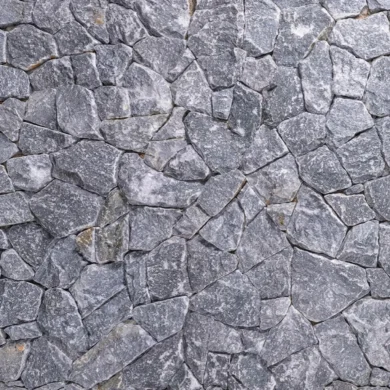
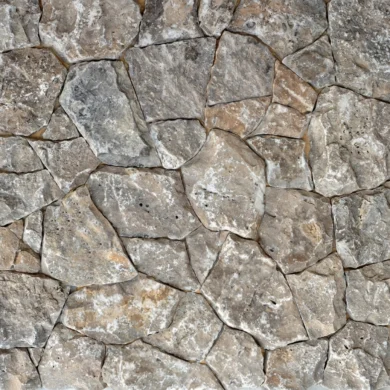
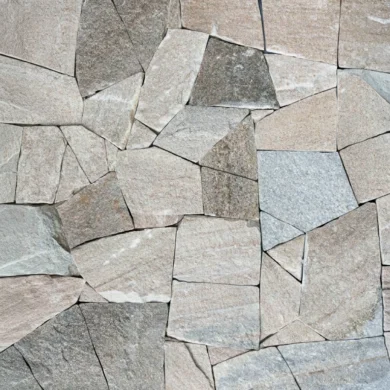
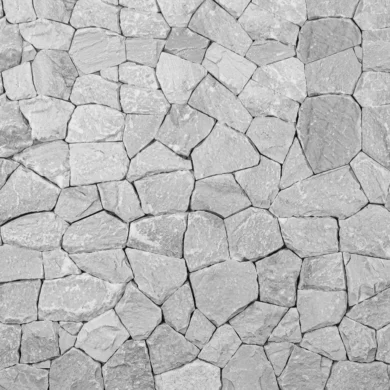
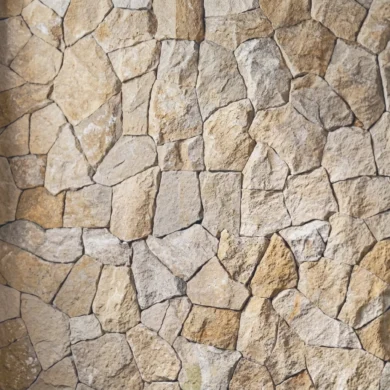
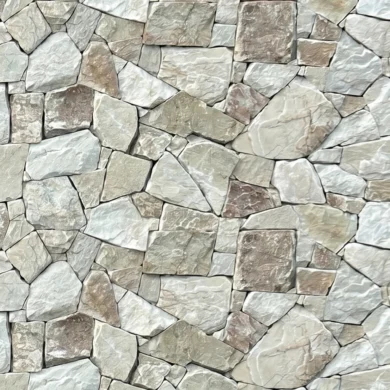
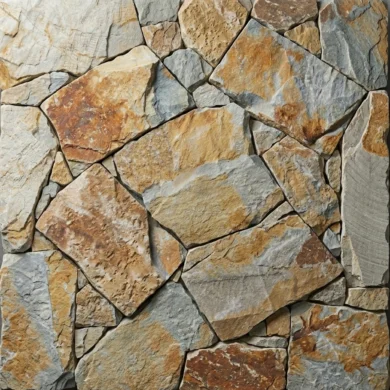
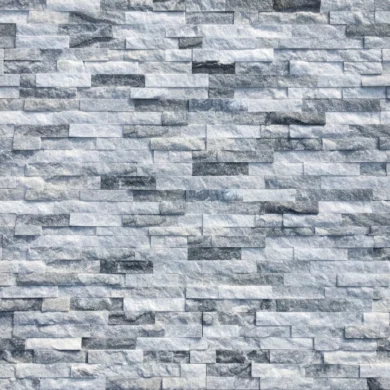
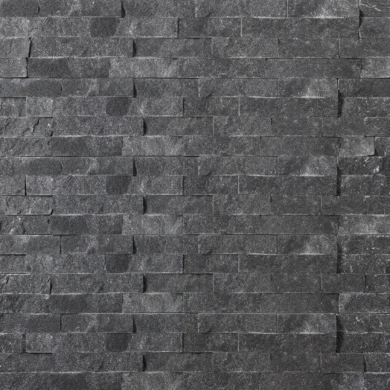
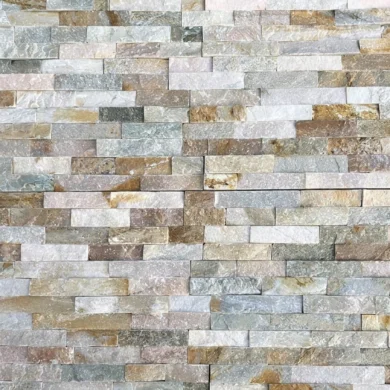
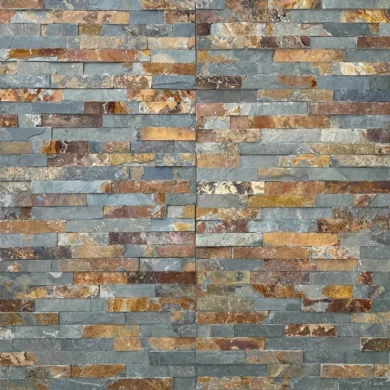
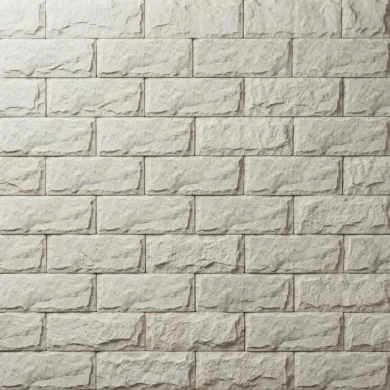
On a boundary wall, the four walling families create noticeably different faces. The main difference is how regular the pieces are, how strong the horizontal lines become and how much texture you see from the street or gate.
| Walling format |
How it looks on a boundary wall |
Layout character |
| Loose Style Walling |
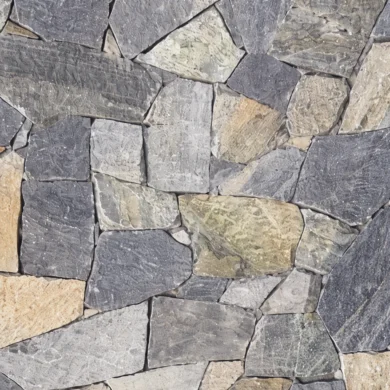
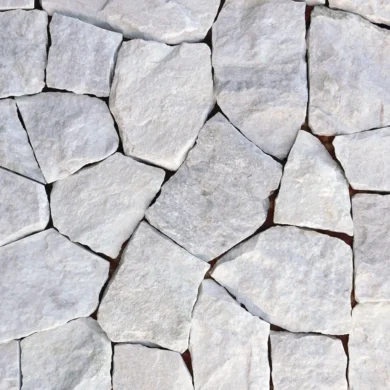
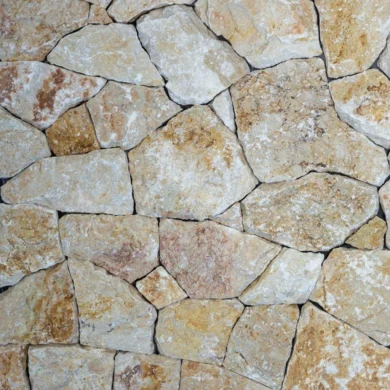
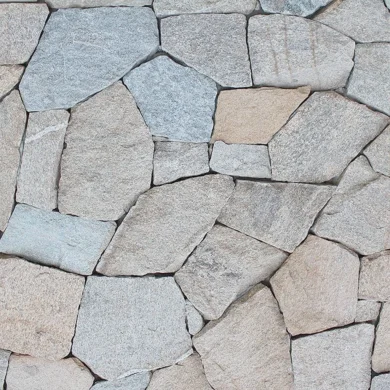
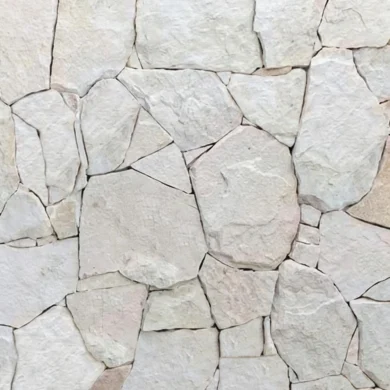
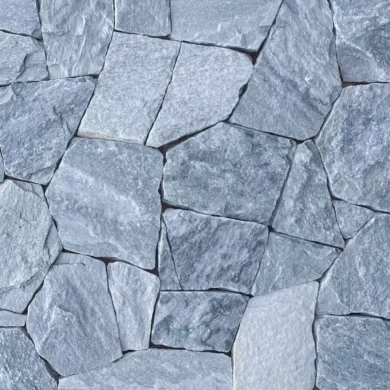
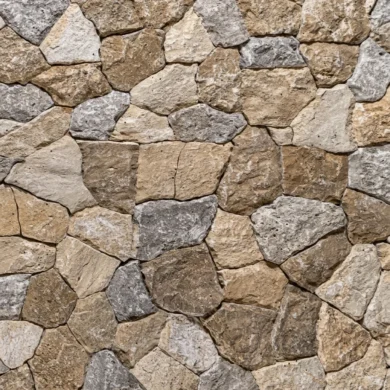
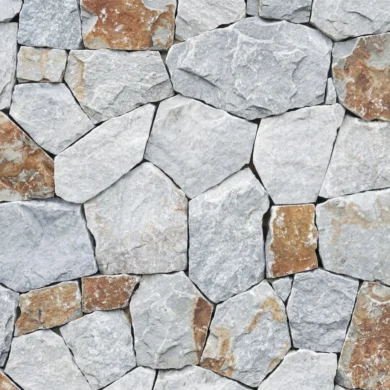
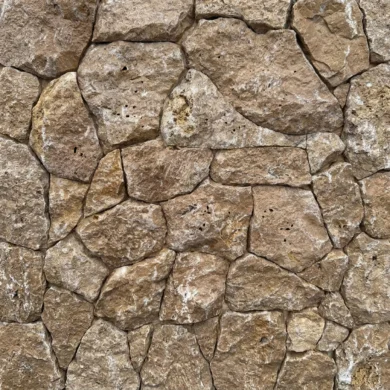
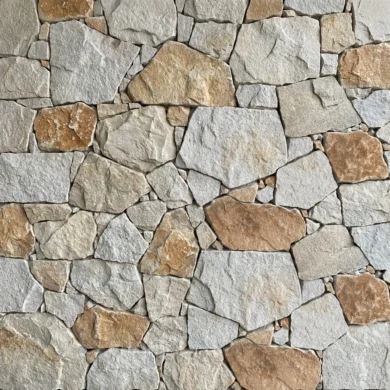
Loose, irregular natural-stone pieces with no repeating panel module. |
Random, individually composed face with a changing joint pattern. |
| Stacked Stone Walling |
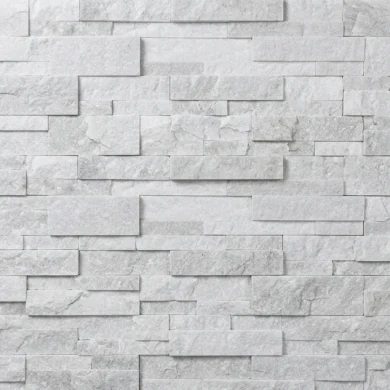
Panelised walling with smaller natural-stone pieces arranged on mesh backing. |
Tighter horizontal stacking and a more consistent panel rhythm. |
| Ledge Stone Walling |
Larger cement-backed panels with a broader ledge-style face. |
Stronger horizontal scale and a more substantial texture. |
| Traditional Walling |
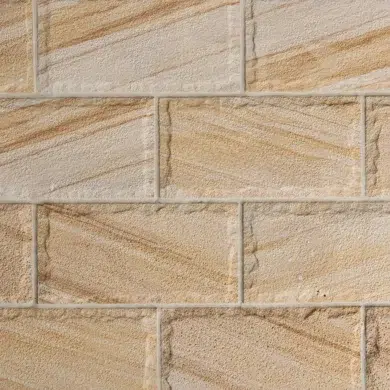
Regular loose rectangular or square pieces. |
More ordered, coursed masonry character. |
Loose style suits a wall that needs an irregular, individually laid stone face. Stacked Stone and Ledge Stone create stronger horizontal lines while Traditional Walling gives the elevation a more regular coursed look. On a long front fence, those differences often show more clearly than small changes in colour.
The visual difference between stacked stone panels and loose stone walling becomes especially clear across a long run where repeating horizontal lines are much easier to see.
Stone Cladding for Front Fences and Property Boundaries
A front fence is seen at two distances: from the street as one long elevation and close up at the gate. That puts extra attention on the stone around pedestrian entries, driveway gates, letterboxes and piers where corners and joints sit close to eye level.
If the stone does not continue down the full side boundary, finish it at a natural break such as a pier, return or change in wall height. Those points give the wall a cleaner end than stopping the stone in the middle of a plain run.
Piers, Gate Posts and Entry Features
Piers and gate posts add more faces than a flat wall and each face is narrow. Measure the front, sides and any visible rear face separately, then allow for the corner treatment around the pier.
Set out letterboxes, intercoms, lights, gate hardware and other openings before the cladding is installed. The stone can then finish neatly around the planned opening instead of being cut back after the wall face is complete. If the pier needs a separate cap, include that dimension in the project measure even if the capping material is being decided later.
Long Boundary Runs and Visible Corners
Natural stone varies in colour and texture and a long boundary wall shows that variation clearly. Have the installer open material from several packs and blend the pieces across the run rather than finishing one pack at a time. This spreads the natural range through the wall.
Corners, returns and changes in wall height break a long elevation into smaller sections. Use those breaks when setting out the wall so the colour and joint pattern feel balanced from the street as well as close to the gate.
What Affects the Cost of Boundary Wall Cladding?
Stone supply and installation are separate costs. Stone Planet supplies the walling material; the builder, landscaper or stonemason prices the supporting wall, fixing and labour.
- Flat wall area — measure every visible face that will be clad.
- Walling format and stone product — different walling families and stones carry different supply rates.
- Corners and returns — these need separate measurement from the main flat face.
- Piers and gate posts — narrow faces create more cuts and corner work.
- Cutting and wastage — the allowance changes with the format wall shape and amount of detail.
- Freight — include delivery when comparing the total stone-supply cost.
Measure flat faces, returns, corners and piers separately. That gives a cleaner stone quantity than a single wall length and makes it easier to combine the wall with the rest of the outdoor stone project planning if the driveway, entry steps or paving are being ordered at the same time.
Cleaning and Maintaining Exterior Stone Cladding
Street-facing stone can collect road dust, garden soil and splash at the base while deeper textures can hold dirt in recesses. How visible that becomes depends on the stone, finish, exposure and planting around the wall.
Use a cleaning method suited to the stone you have bought and test any cleaner on an offcut or inconspicuous area before using it across the wall. Sealing and maintenance also vary by stone and finish, so follow the care advice for the material rather than assuming one product or routine suits every wall.
Why Buy Boundary Wall Cladding from Stone Planet?
Stone Planet supplies natural stone walling across Loose style, Stacked Stone, Ledge Stone and Traditional Walling, giving boundary walls, piers and entry features several genuinely different looks within the same walling collection.
Free Samples are available which makes it easier to compare texture and colour against the house before a larger order is placed. Look at the sample in sun and shade and from the distance the finished wall will usually be viewed.