Search

Pool Coping

Long-Lasting Pool Copings in Australia

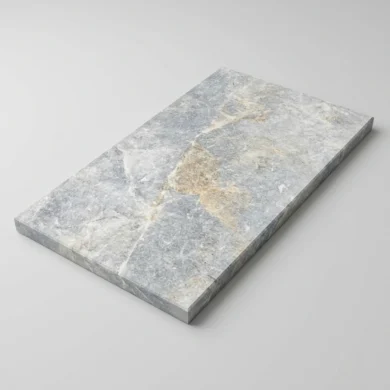
Investing in a swimming pool is a lifestyle upgrade, but the finishing touch—the pool coping—is what defines the safety, durability, and aesthetic appeal of your investment. At Stone Planet, we provide a curated selection of pool coping tiles crafted to withstand the harsh Australian climate, from the humid coastal conditions of Sydney and Brisbane to rainy days in Melbourne. 


Showing all 70 results

Sort by
Show
-60%Hot


What is Pool Coping?

In the world of Australian landscaping, pool coping refers to the specific edging or “capping” tiles that surround the immediate rim of an inground swimming pool. While it serves as the primary decorative border, its role goes far beyond aesthetics; it is the critical bridge between your pool shell and the surrounding deck.

Why Your Pool Needs High-Quality Coping

Installing premium pool coping tiles isn’t just a design choice—it’s the absolute necessity for several key reasons:

  • Structural Integrity: Coping covers the “bond beam” (the concrete edge of the pool shell). By sealing this area, it prevents water from seeping behind the pool wall, which can lead to shifting, cracking, and expensive structural repairs. 
  • Swimmer Safety & Comfort: It provides a safe, non-slip surface for swimmers to grab onto when resting or to sit on while dangling their legs in the water. Quality coping stones for pools are specifically finished with high slip-resistance (typically P4 or P5 ratings) to ensure safety in wet zones. 
  • Water Management: Professionally installed coping is slightly tilted away from the water. This clever engineering ensures that “splash-out” water and rain flow into deck drains rather than back into the pool, keeping your water chemistry stable and debris out. 
  • Thermal Regulation: In the peak of the Australian summer, the right stone material—such as Travertine or light-coloured Limestone—stays cool to the touch, ensuring your family can walk comfortably without burning their feet. 

Choose your Pool Coping Profile – Drop Edge Vs Bullnose Vs Pencil Edge

Selecting the right pool coping profile is a decision that balances architectural style with practical ergonomics. In Australia, where outdoor living is a way of life, your choice of edge affects everything from the water’s reflection to the safety of your family.

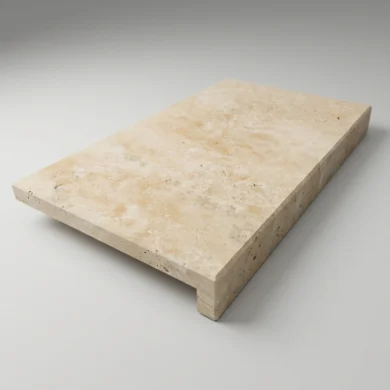
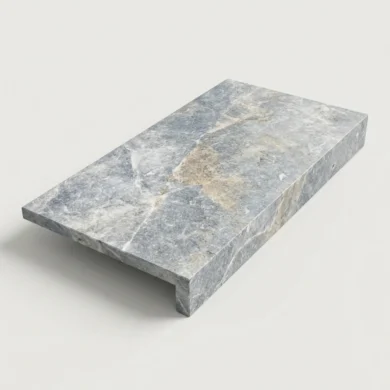
Drop Edge (Rebated) Pool Coping

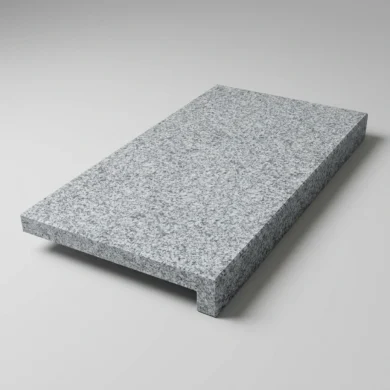
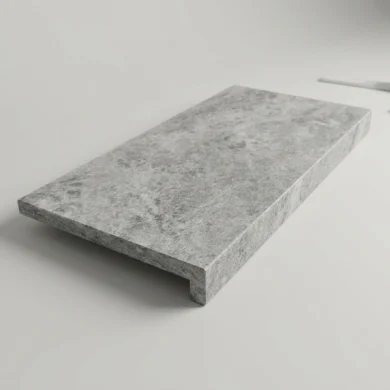
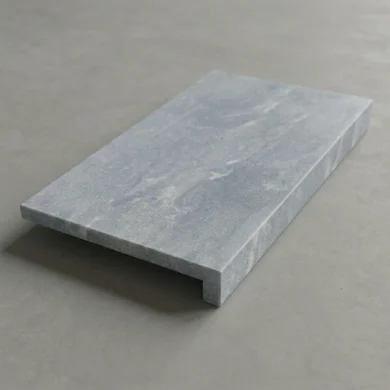
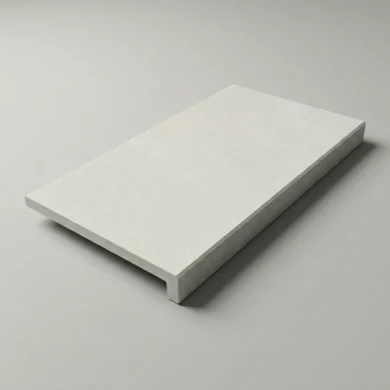
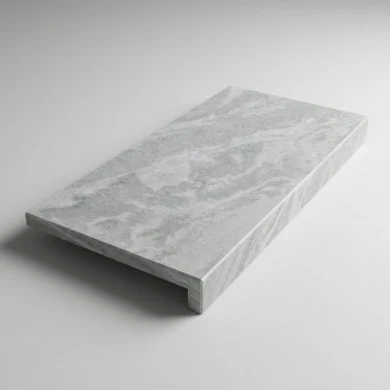
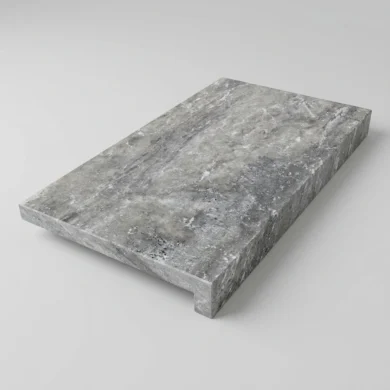
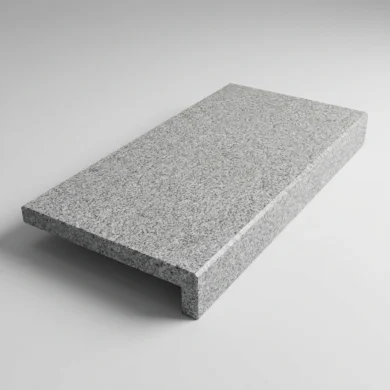
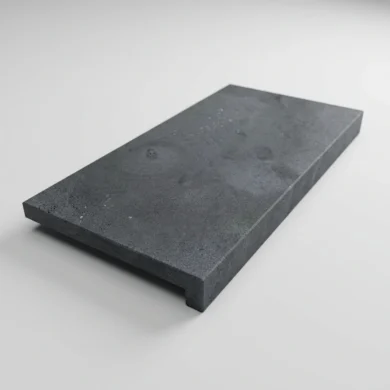
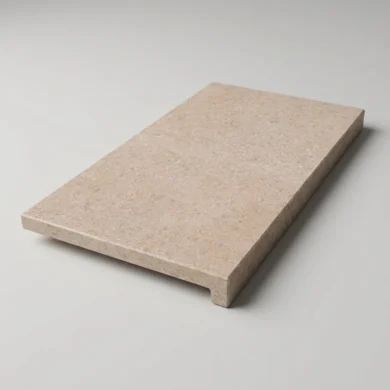
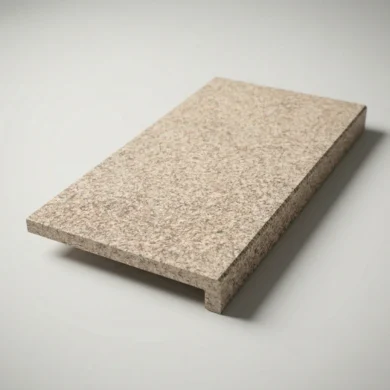
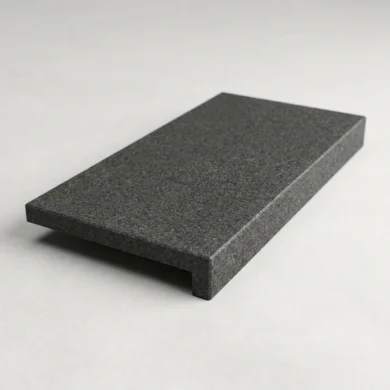
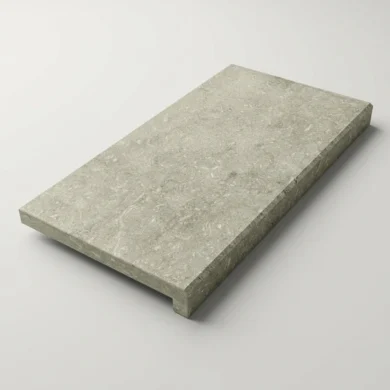
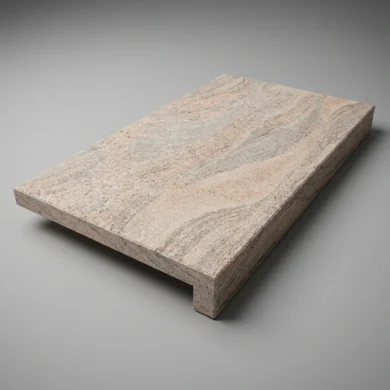
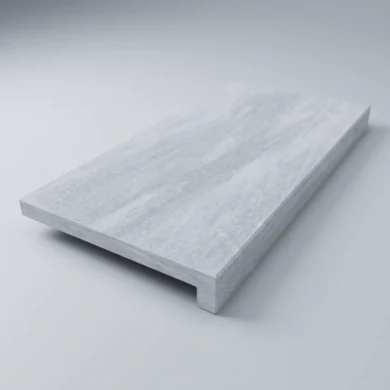
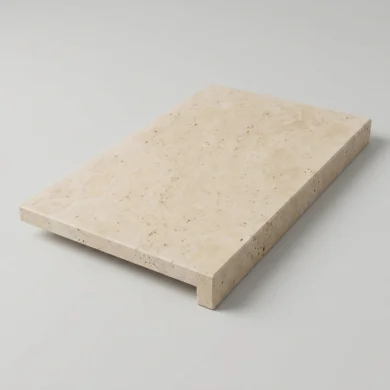
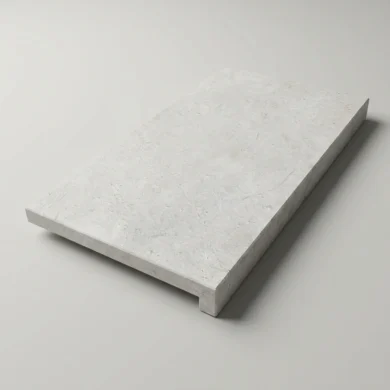
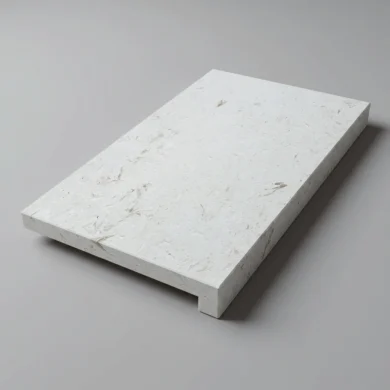
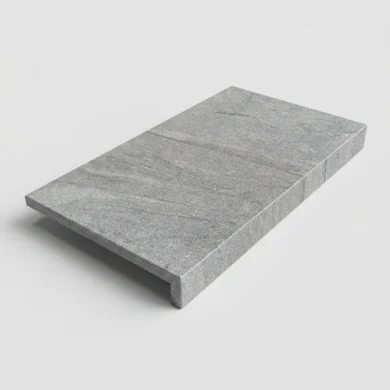
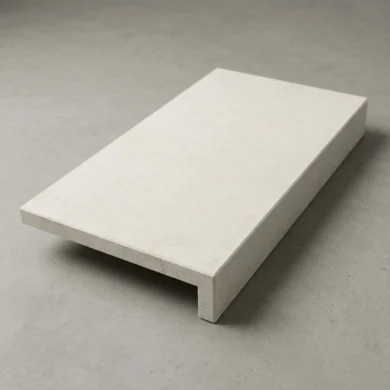
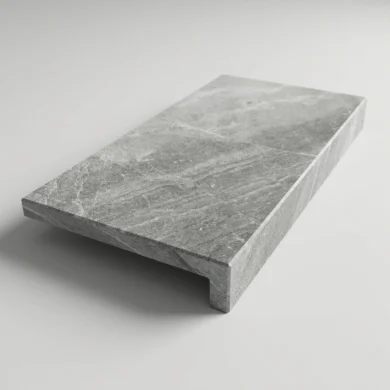
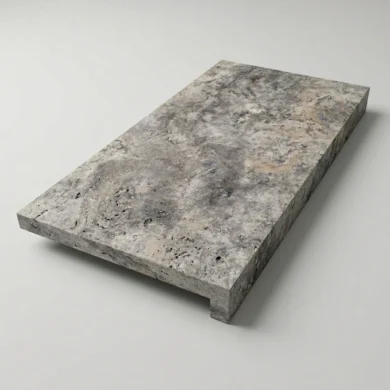
Often referred to as Rebated Pool Coping, this is the undisputed champion of modern Australian landscape design. This profile features a vertical “drop” that hangs down over the inside edge of the pool.

  • The Aesthetic: It creates a bold, thick-slab appearance (typically a 40mm and 70mm drop) that masks the pool’s concrete beam and the waterline tile join. It gives the illusion that your stone deck is floating right over the water. 
  • The Practicality: By concealing the pool’s rim, it provides a sleek, seamless transition that mimics a luxury resort. 
  • Best For: Modern, geometric, and rectangular pools where a clean, architectural “frame” is desired. It is the go-to for pool coping paversin new builds across Sydney and Melbourne. 

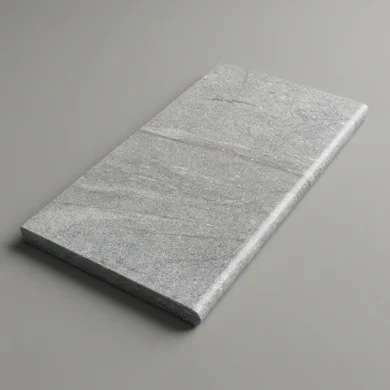
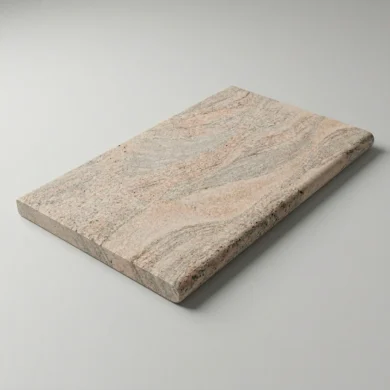
Bullnose Pool Coping Tiles

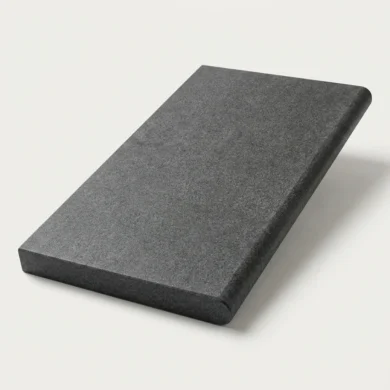
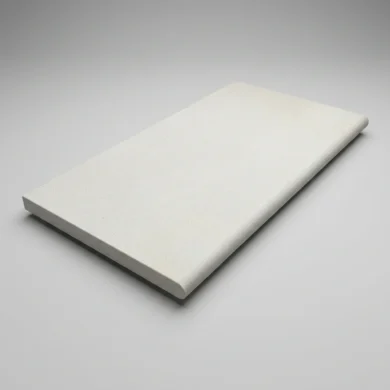
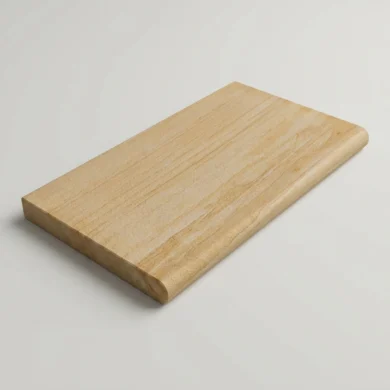
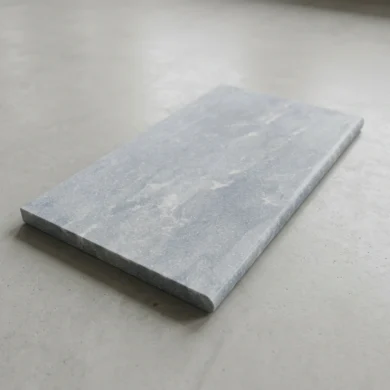
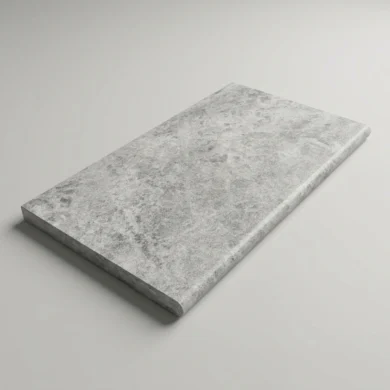
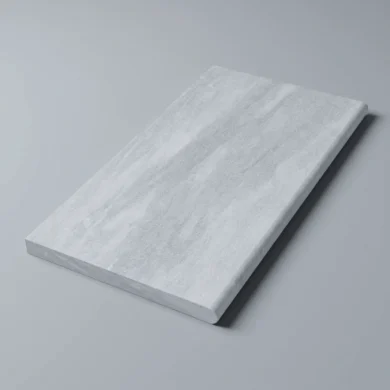
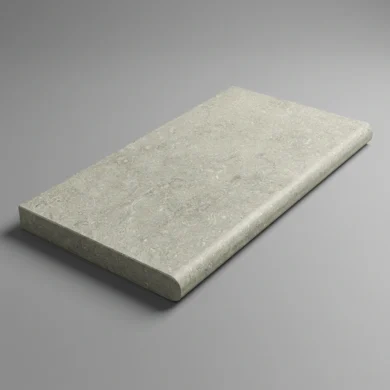
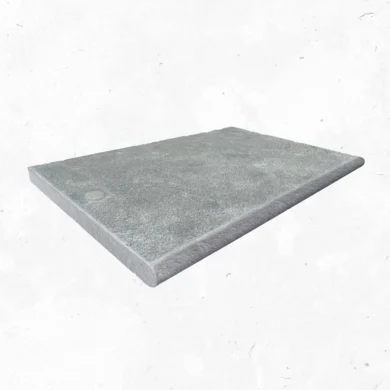
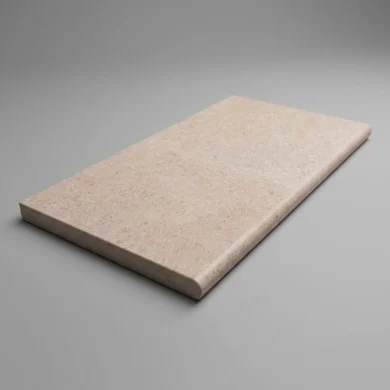
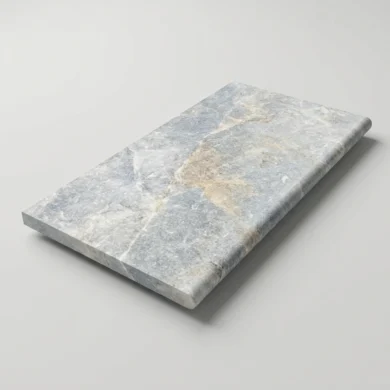
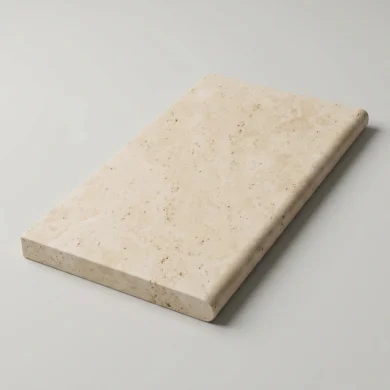
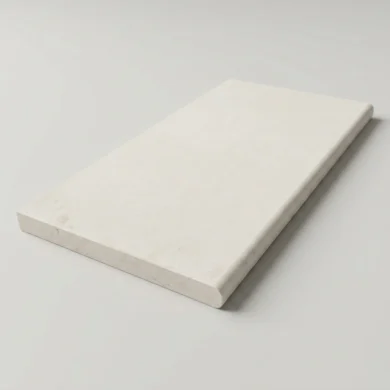
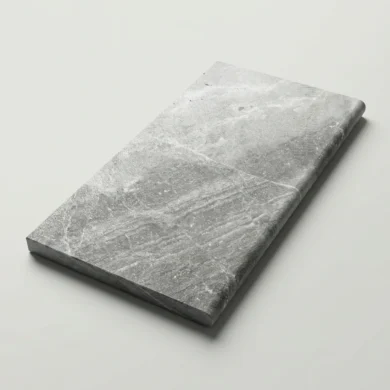
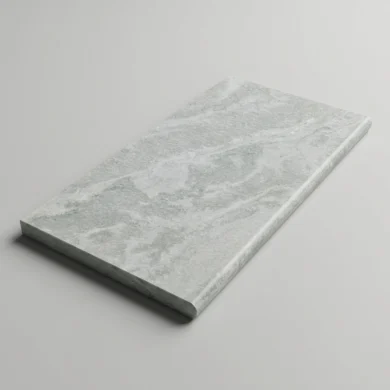
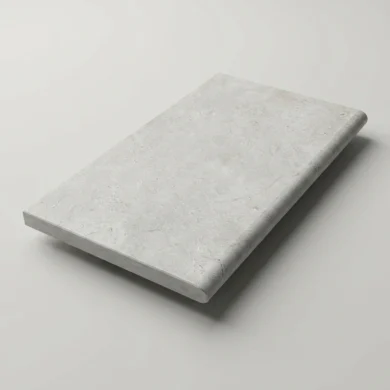
The Bullnose profile features a perfectly rounded, semi-circular edge. It is a timeless choice that has remained a staple in Australian backyards for decades.

  • The Aesthetic: Provides a soft, organic finish that complements natural landscapes and traditional garden designs. 
  • The Practicality: It is the “gold standard” for safety. The smooth, rounded edge is gentle on the hands of swimmers climbing out and lacks sharp corners, making it the safest option for households with young children. It also allows water to roll off easily back into the pool. 
  • Best For: Curved, kidney-shaped, or freeform pools, as the rounded edge is more forgiving on non-linear pool shells. 

Pencil Round & Square Edge

The Pencil Round is essentially a square edge that has been lightly “sanded” or rounded on the top and bottom corners to remove the sharpness.

  • The Aesthetic: Offers the sharp, minimalist lines of a square edge but with a subtle refinement. It is the bridge between traditional and ultra-modern styles. 
  • The Practicality: It provides a comfortable grip for swimmers without the bulky look of a bullnose. Because it is less “busy” than other profiles, it makes small pool areas feel larger and less cluttered. 
  • Best For: Contemporary renovations and lap pools where a sophisticated, low-profile look is the priority. 
Pool Coping Type Aesthetic Style Safety Rating Best Application
Drop Edge Ultra-Modern / Luxury High Rectangular & Infinity Pools
Bullnose Classic / Traditional Highest Family & Curved Pools
Pencil Edge Minimalist / Sleek High Contemporary Lap Pools

The Best Pool Coping Materials for Australian Pools

Not all coping stones for pools are created equal. In the Australian sun, a tile that looks good in a showroom can become a “hot plate” in your backyard. We source only salt-tested, high-density materials designed for longevity and comfort.

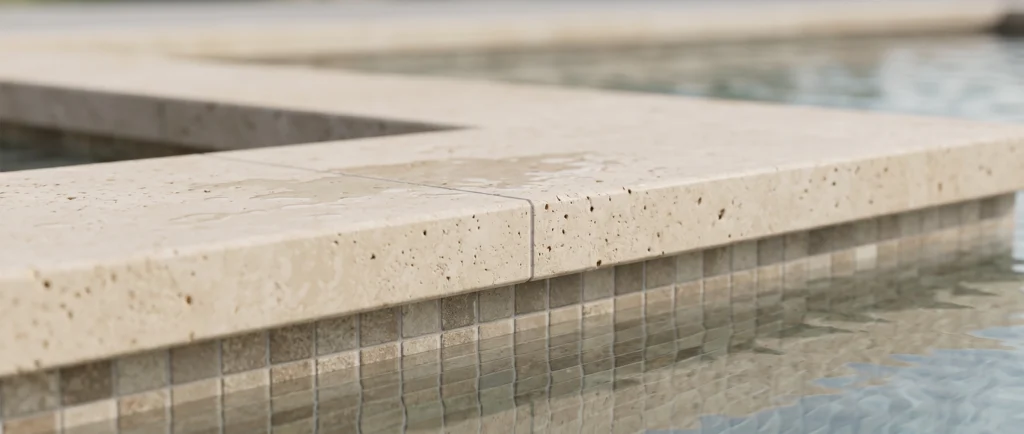
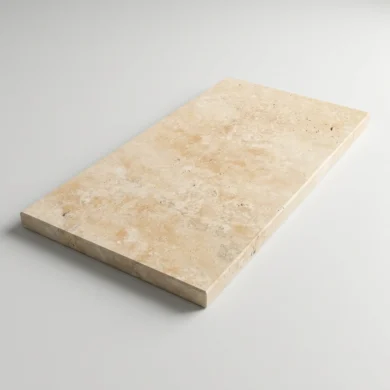
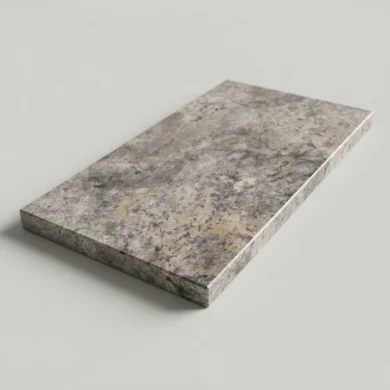
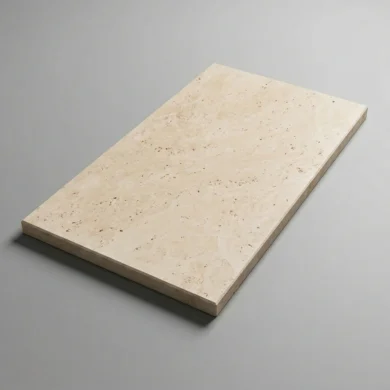
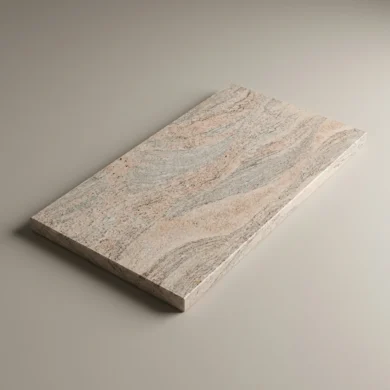
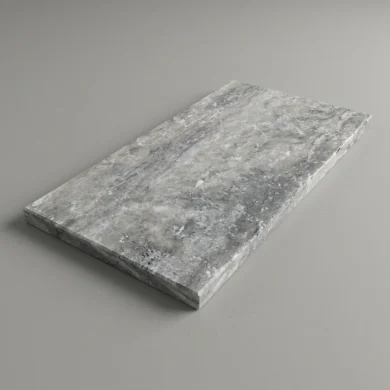
Travertine Pool Coping

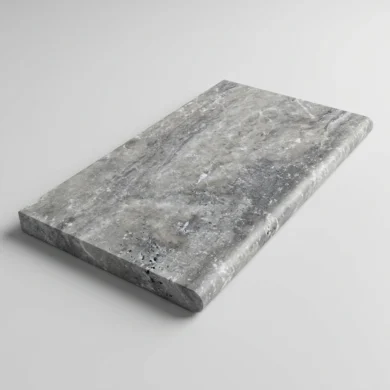
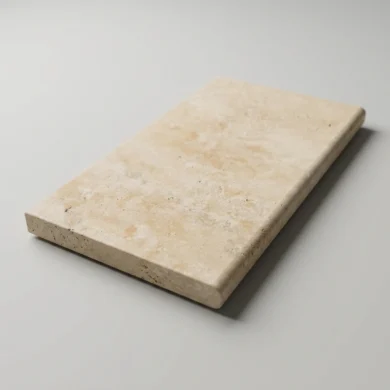
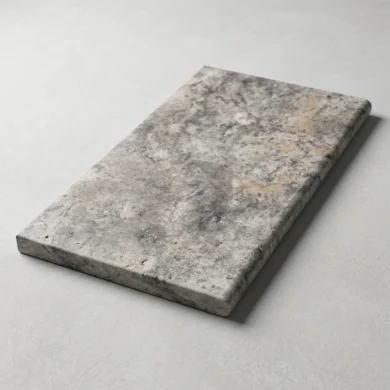
Travertine Pool Coping is the “cool-touch” champion of the Australian summer. Because it is naturally porous, it stays significantly cooler underfoot than darker stones, even in 40°C heat. 

  • The Look: Available in Beige, Silver, and Ivory with tumbled or sandblasted finishes. 
  • Best For: Mediterranean-style backyards and family pools where kids are running barefoot. 
  • Pro Tip: Our travertine is “first grade,” meaning fewer large holes and higher density for better salt resistance. 

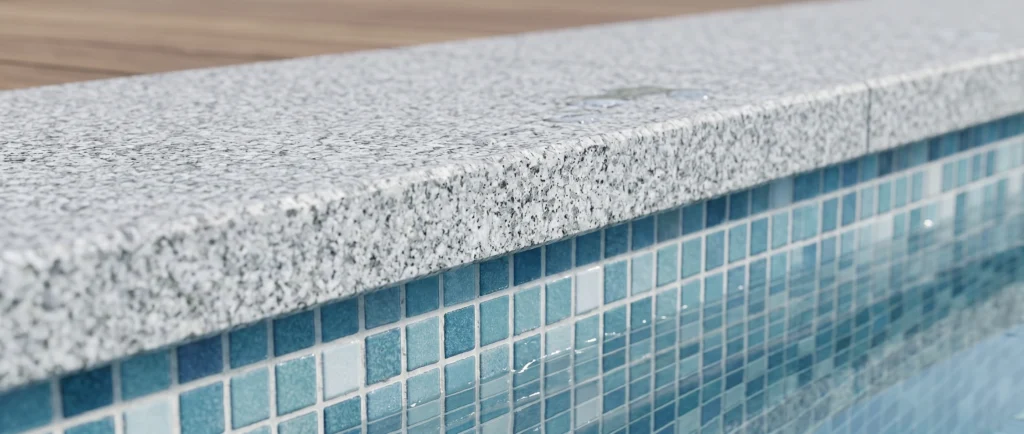
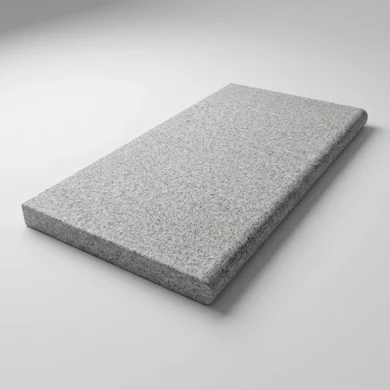
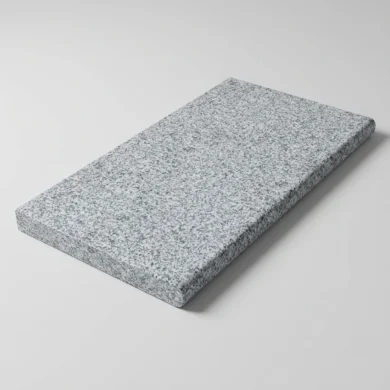
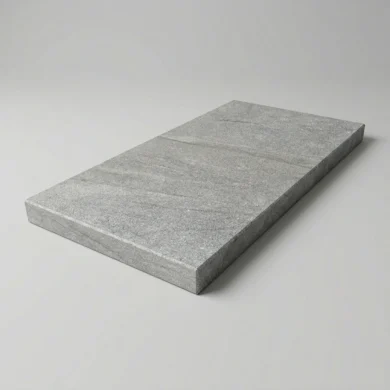
 Granite Pool Coping

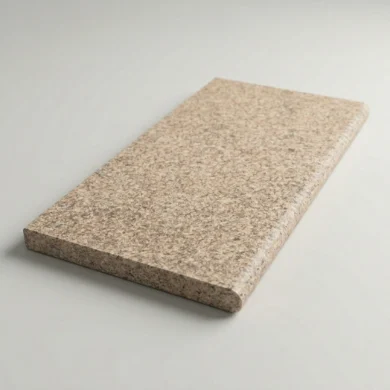
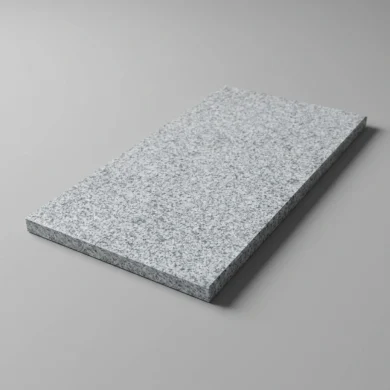
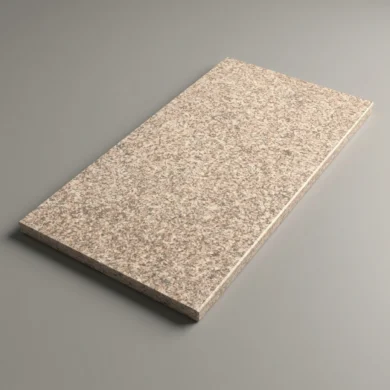
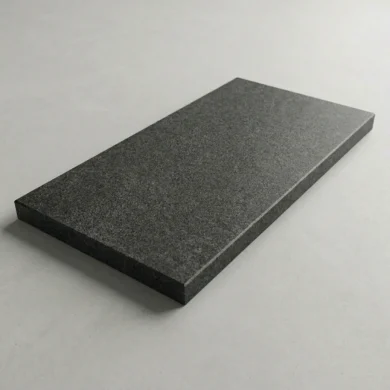
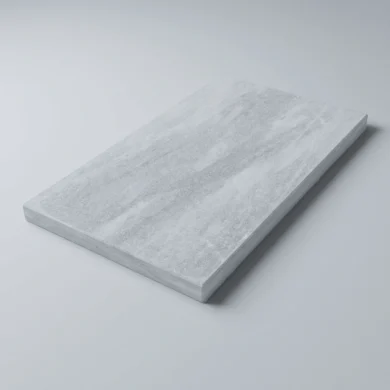
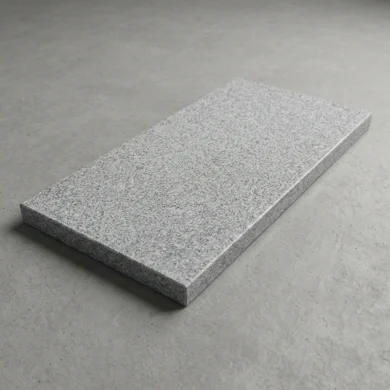
Granite Pool Coping is the strongest, most durable natural stone available. It is virtually indestructible and highly resistant to salt, chlorine, and acid rain. 

  • The Look: Sophisticated greys, jet blacks, and salt-and-pepper textures. 
  • Best For: High-traffic areas and modern, minimalist landscapes. 
  • Safety Note: We only recommend Flamed or Exfoliated finishes for granite pool coping to ensure a high P5 slip rating. 

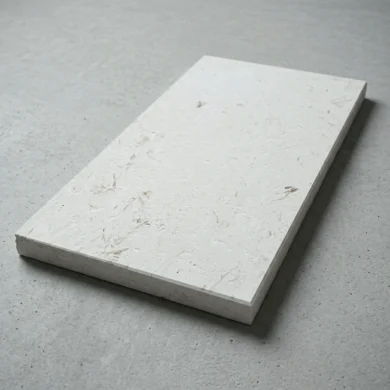
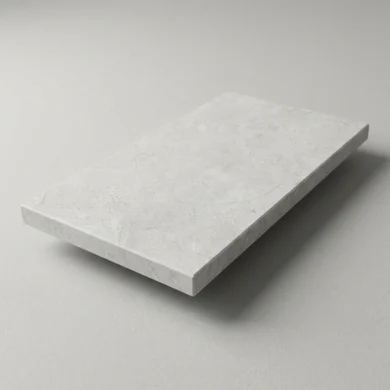
 Limestone Coping Tiles

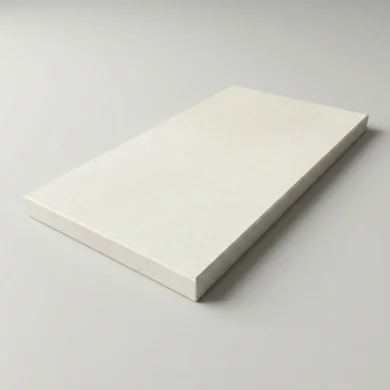
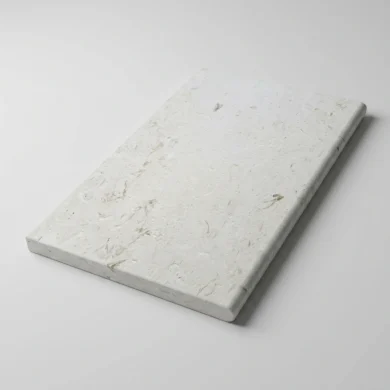
Limestone Pool Coping offers a velvet-like texture and incredibly consistent earthy tones. It provides a softer, more uniform look compared to the heavy veining of Travertine. 

  • The Look: Soft whites, sandy beiges, and muted greys. 
  • Best For: Creating a seamless “indoor-to-outdoor” flow where the alfresco area meets the pool. 
  • Maintenance: Being a slightly softer stone, we recommend a high-quality penetrative sealer to protect against UV fading. 

 Marble Pool Coping

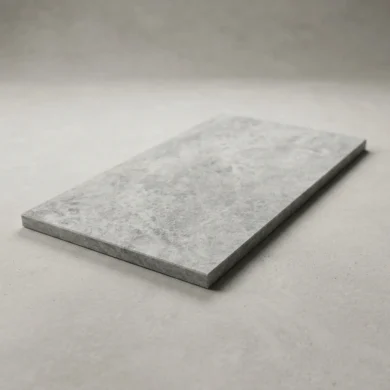
For the ultimate luxury resort aesthetic, Marble Pool Coping is unmatched. Modern sandblasted or Anti-Slip Marble provides a sophisticated, non-slip surface that feels premium underfoot. 

  • The Look: Icy whites and cool greys with subtle, elegant veining. 
  • Best For: High-end architectural homes and luxury renovations. 
  • Key Benefit: Like Travertine, light-coloured Marble reflects sunlight, keeping the pool edge remarkably cool. 

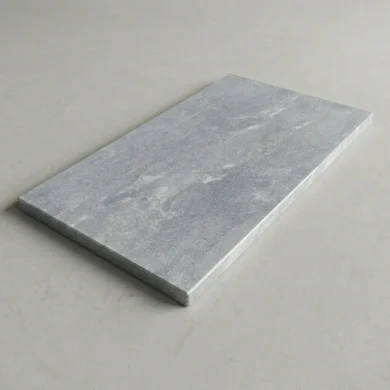
 Bluestone Pool Coping

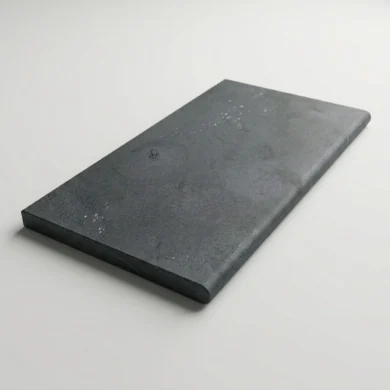
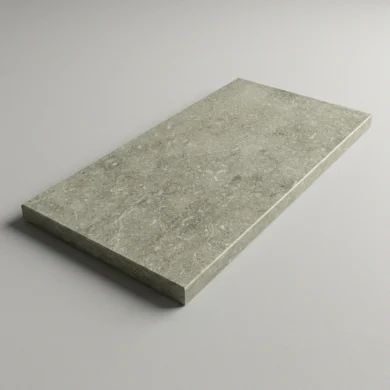
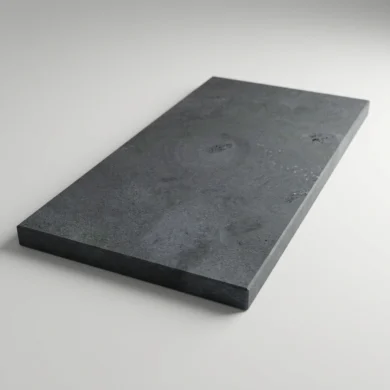
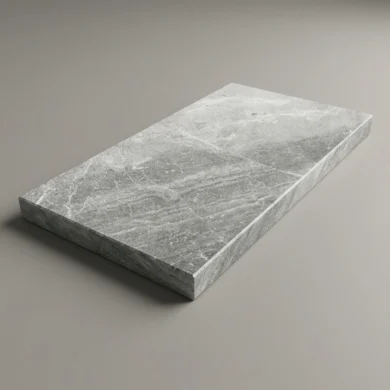
A staple in Melbourne and Sydney architecture, Bluestone (Basalt) Pool Coping is famous for its durability and timeless, dark-grey aesthetic. 

  • The Look: Deep charcoal and mid-grey tones with a sawn or honed finish. 
  • Best For: Sleek, modern designs and urban pool settings. 
  • Expert Advice: Because Bluestone is a volcanic rock, it can retain heat. We recommend using it in areas with partial afternoon shade or pairing it with light-coloured decking. 

Pool Coping Installation, Cleaning and Maintenance Tips

Installing pool coping is the final structural step in your pool build, but maintaining it is what preserves your property value. To ensure your pool coping tiles last a lifetime in the harsh Australian climate, follow these industry-standard recommendations: 

  1. Pre-Sealing & Post-Sealing Coping for Swimming Pools

Natural stones like Travertine, Limestone, and Sandstone are porous. Without protection, salt and chlorine can penetrate the surface, leading to “spalling” (flaking) over time. 

The Expert Tip: Use a high-quality penetrative sealer rather than a topical “wet-look” sealer. Penetrative sealers protect the stone from the inside out without making the surface slippery maintaining that crucial P5 slip rating. 

Dip Sealing: For maximum protection in saltwater pools, consider “dip sealing” the coping tiles before installation to protect all six sides of the stone. 

Mastering the “Seamless Flow” with Matching Pavers 

A common design mistake is choosing coping stones for pools that clash with the surrounding deck. At Stone Planet, we offer matching pavers, French patterns, and step treads for every coping style. 

The Strategy: Extending the same material from the water’s edge across the entire alfresco area creates an “infinity” effect, making small backyards appear significantly larger and more cohesive. 

Confirming Salt Tolerance 

Not all stones are “salt safe.” In Australia, many pools use saltwater chlorinators which can be aggressive on softer stones. 

The Check: Always verify that your stone is salt tested. For high-salinity environments, Granite and Porcelain are the most resilient, while our premium “First Grade” Travertine is specifically selected for its density and resistance to salt-attack. 

Professional Installation: The “Expansion Joint” 

One of the most frequent causes of cracked coping pavers for pools is the lack of an expansion joint. 

Why it matters: Your pool shell and your concrete surrounds move at different rates. Ensure your installer places a flexible mastic or expansion joint between the coping and the paving to allow for thermal movement without cracking the stone or the grout. 

Routine Cleaning & pH Balance 

Avoid Acid: Never use hydrochloric acid or harsh bleach on natural stone; it can cause permanent “burning” or discoloration. 
The Simple Method: Use a pH-neutral cleaner and a soft-bristle brush. Regularly hosing down the coping with fresh water after a heavy swim session helps remove salt and chlorine residue, keeping the stone’s natural color vibrant for years. 

Installation Checklist for Homeowners

Step Action Why it Matters
Substrate Ensure the concrete beam is level and clean. Prevents “rocking” or loose tiles.
Adhesive Use a high-quality, polymer-modified white glue. Prevents “ghosting” or dark stains showing through light stone.
Grout Select a salt-resistant, flexible grout. Prevents water ingress and accommodates movement.
Sealing Re-apply sealer every 2–3 years (depending on exposure). Maintains stain resistance and structural integrity.


FAQs

Questions? We have Answers

Stone Planet provides high-quality pool coping tiles with fast, nationwide delivery across Sydney, Melbourne, Brisbane, Perth, and Adelaide. While we operate as a premium supplier to keep our prices competitive and “quarry-direct,” we ensure a “local” experience by offering free express-posted samples so you can see and feel our stone in your own backyard’s light. Whether you are in a metro hub or a regional area, we provide insured, job-site delivery typically within 2–5 business days, making us the most reliable choice for pool coping near you.

In Australia, the cost of pool coping generally ranges from $40 to $95 per piece. The price variation is primarily driven by the complexity of the edge profile and the manufacturing process required to achieve the desired look.

Profile Style Price Range (Per Piece) Best For
Pencil Edge $45 – $55 Minimalist, clean lines for modern lap pools.
Bullnose $41 – $50 Safety-first, rounded edges for family-friendly pools.
Drop Edge (Rebated) $65– $95 High-end luxury “thick slab” looks for resort-style pools.

Understanding the Price Range

You will notice a price range for each specific profile (for example, Bullnose ranging from $41 to $50 per piece). This price fluctuation within the same profile style exists because the final cost depends on the different stone materials or the coping stones for swimming pools.

    Join for inspiration and expert insights on natural stones.


    Product has been added to your cart