What Are You Building in the Backyard?
Pool paving, an alfresco floor, a garden path and a boundary wall can sit within the same yard while using different stone formats. The edges, levels and everyday use change from one area to the next, so each part needs to be measured and detailed on its own.
Pool Area
Pool paving covers the area around the water while pool coping finishes the immediate edge. Wet use, sun exposure and surface finish all matter around bare feet. Pool surrounds need stone and finish choices that make sense for wet use before nearby areas are coordinated around them.
Alfresco or Patio
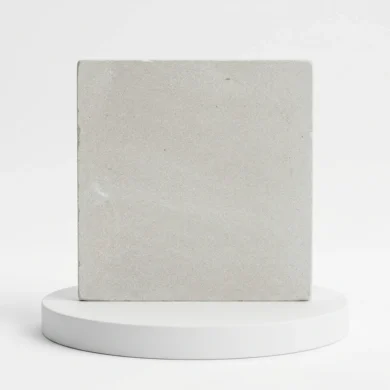
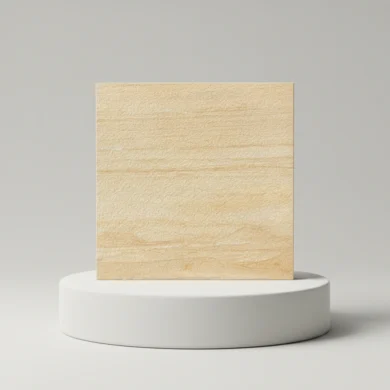
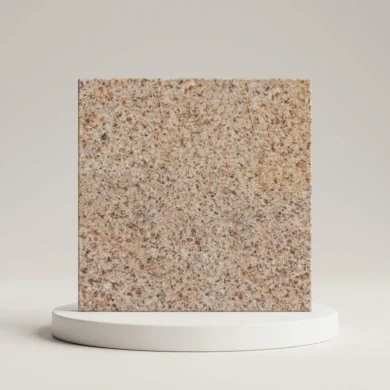
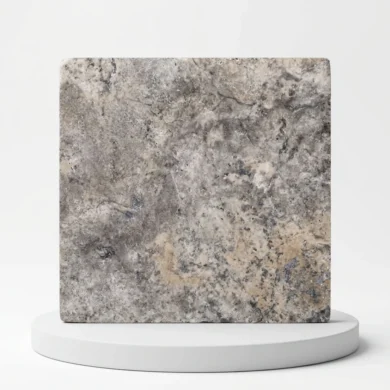
An alfresco or patio brings food, BBQ use, furniture and cleaning into the surface choice. Where the space sits beside an indoor floor, tile-format stone can keep a more ordered floor pattern; Pavers or Crazy Paving create a different outdoor character when the area opens into the garden. Alfresco areas also bring the doorway into play where finish and adjoining floor levels matter just as much as colour.
Boundary Wall or Front Fence
Stone on a boundary wall is cladding over a supporting wall or fence structure. The flat face is only part of the stone quantity: returns, corners, piers and gate posts add visible faces of their own. From inside the yard, that wall can sit directly behind paving or planting, so its texture and colour become part of the same view. Boundary walls need to be measured as wall cladding rather than treated as another paving area.
Paths, Courtyards and Open Paving
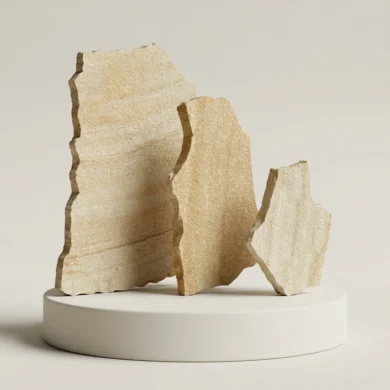
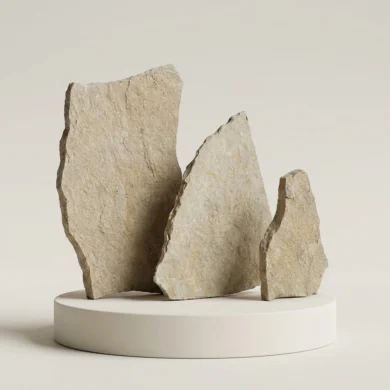
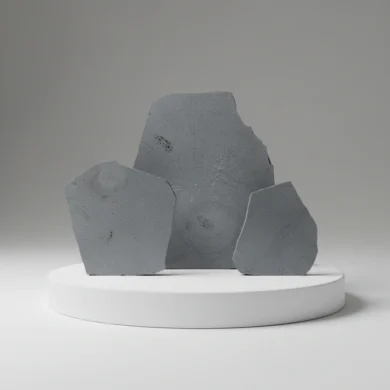
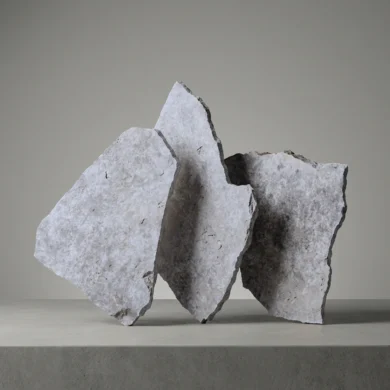
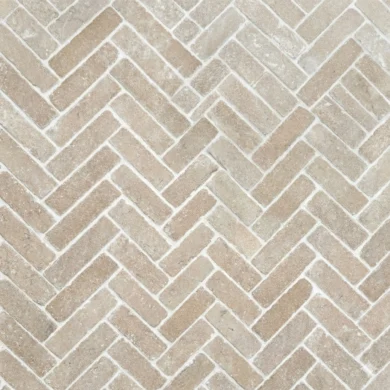
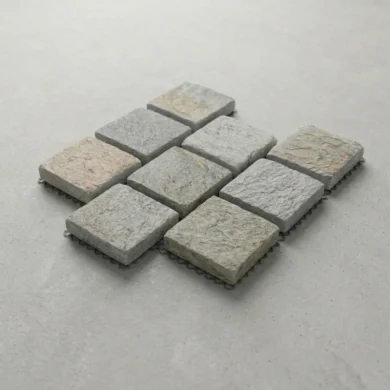
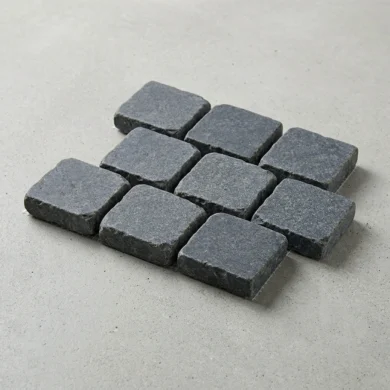
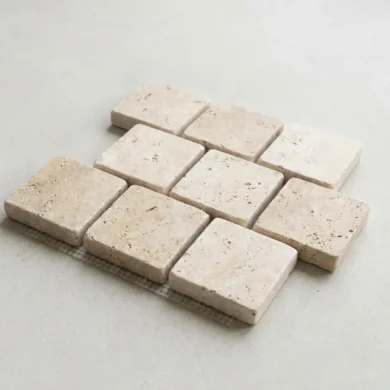
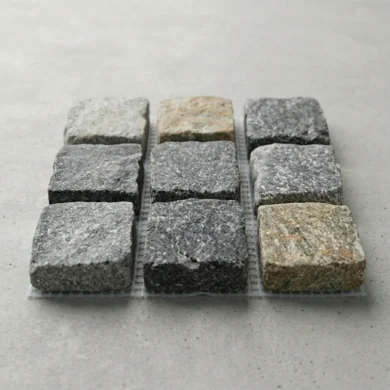
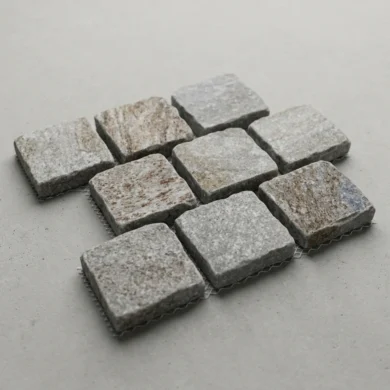
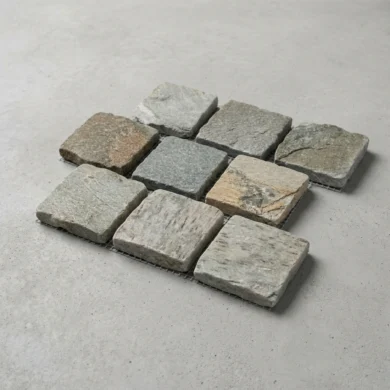
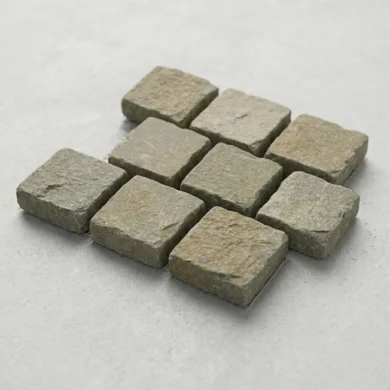
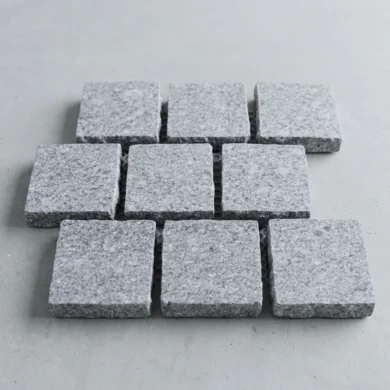
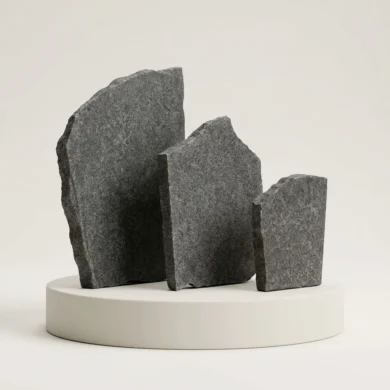
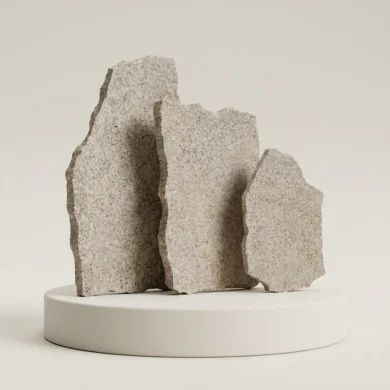
Paths, courtyards and open paved areas can use regular or irregular layouts depending on the shape of the space. Regular Pavers create repeated lines, Crazy Paving breaks up the grid and Cobblestones bring a smaller unit that can work well for narrower areas, borders and accents. The right piece size depends on the path width, curves, edges and the amount of cutting the layout creates.
Backyard Pavers, Tiles, Crazy Paving or Cobblestones?
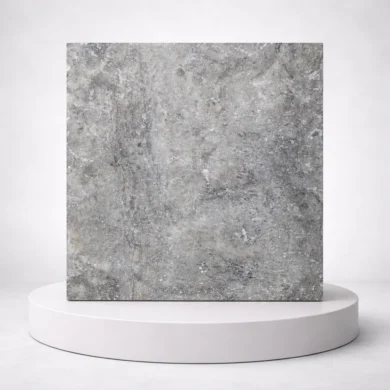
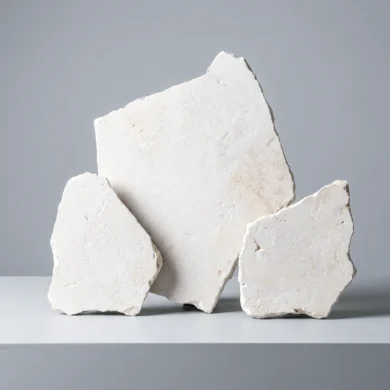
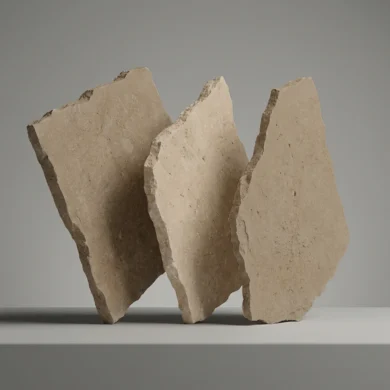
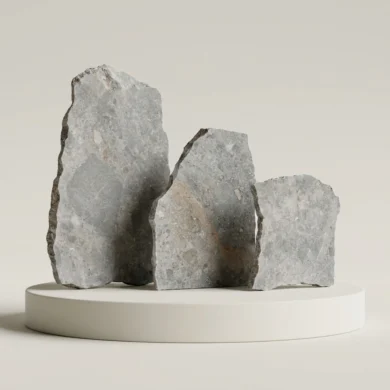
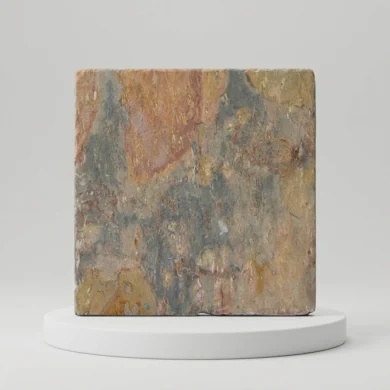
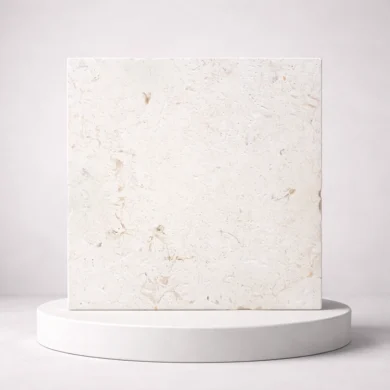
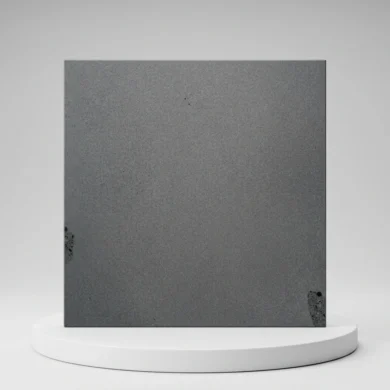
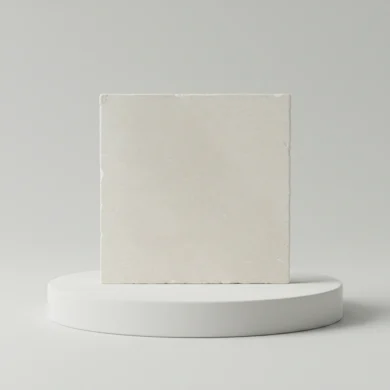
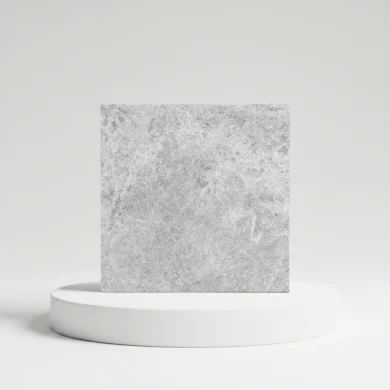
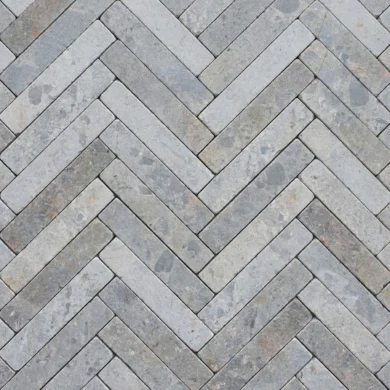
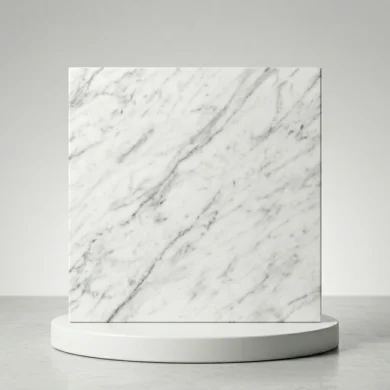
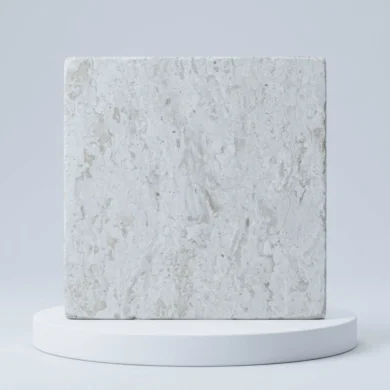
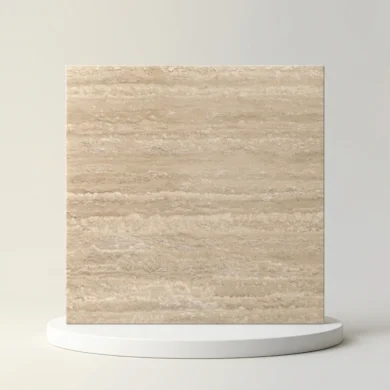
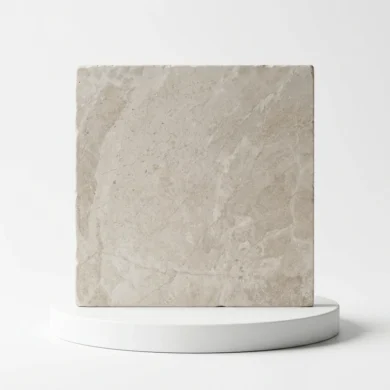
Pavers, Tiles, Crazy Paving and Cobblestones create different piece sizes and joint patterns. That difference is useful in a backyard because a courtyard, path and alfresco do not all need the same scale or layout.
| Format |
What it looks like |
Useful backyard context |
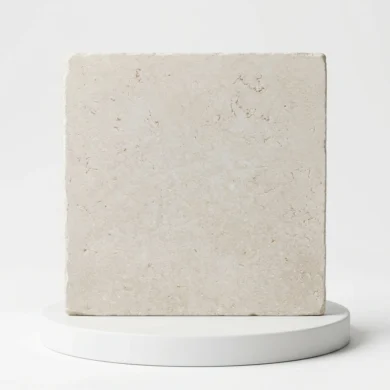
| Pavers |
Regular pieces with repeated joint lines. |
Open paving, courtyards, pool areas and other regular paved surfaces. |
| Tiles |
Regular tile-format pieces with a more floor-like layout. |
Tiled outdoor areas, including spaces that connect closely to interior flooring. |
| Crazy Paving |
Irregular pieces with no repeating grid. |
Courtyards, garden edges, paths and areas where a looser layout suits the space. |
| Cobblestones |
Smaller stone units with more joints per square metre. |
Paths, borders, accents and other smaller-format paving details. |
Stone Pavers and Stone Tiles cover the regular-format options. Crazy Paving and Cobblestones change the scale and joint pattern which can be useful on paths, borders, courtyards or areas with a more irregular shape.
Using Natural Stone Across One Backyard
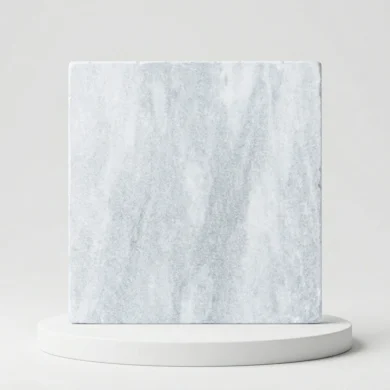
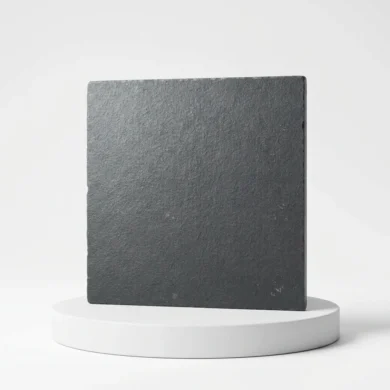
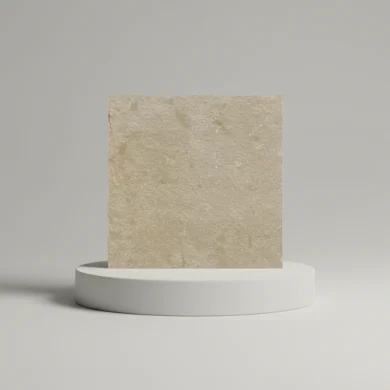
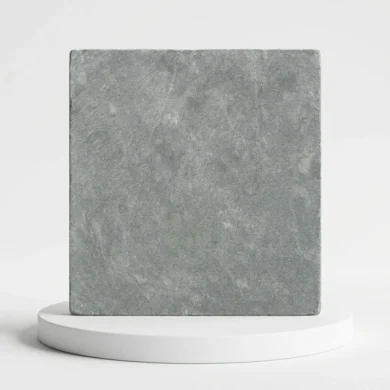
Connected areas can use different products without looking unrelated. Repeating a compatible tone, texture or finish in selected places can link the yard visually while each area keeps the format that suits its use.
A wall, path and paved area can show the same stone differently because the pieces, joints, finish and light are different. Using natural stone throughout a landscape does not require every surface to look identical.
Keeping Connected Areas Cohesive
Where pool paving meets an alfresco, similar tones can connect the two areas even when the format changes. A path can use smaller pieces than the main paving and a boundary wall can sit behind both without competing with the ground surface.
Natural stone varies by product and batch and a change in finish or piece size can alter how the same material looks. Related tones and textures are usually enough to connect the areas without forcing an exact match.
Steps, Borders and Smaller Details
Steps, borders and level changes are where smaller stone components become useful. Stone Planet supplies dedicated treads and risers for the horizontal and vertical parts of steps while Cobblestones can create borders or small-format accents beside larger paving. Include these pieces in the order so they are not left until after the main paving arrives.
What to Plan Before Ordering Backyard Stone
Measure each area separately, even when several areas are being ordered together. Pool paving, alfresco flooring, paths, steps and borders have different shapes and edge lengths and a single combined square-metre figure can hide the cuts and small pieces needed around them.
Bring the installer, builder or landscaper in before the quantities are final. They can confirm levels, falls, drainage, fixing and construction details while the stone order is still being prepared. Stone Planet supplies the stone; construction and installation remain with your project trades.
If connected areas are likely to use related stone, plan them together where practical. Natural stone can vary between batches, so later additions may not look identical to the first area. Planning a natural stone outdoor project early also helps keep steps, borders and transition pieces from becoming last-minute extras.
Free Samples are available for comparing colour and texture before ordering and Stone Planet offers Australia-wide delivery.