Sandstone Colours and Stone Types
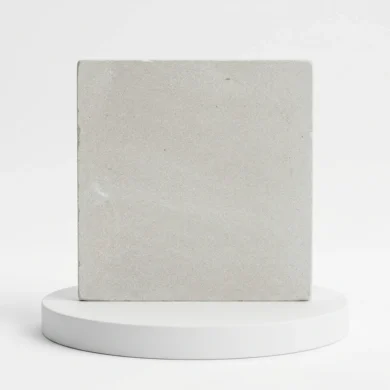
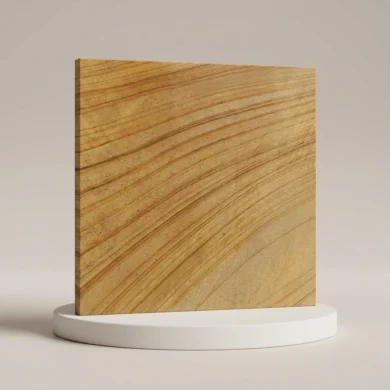
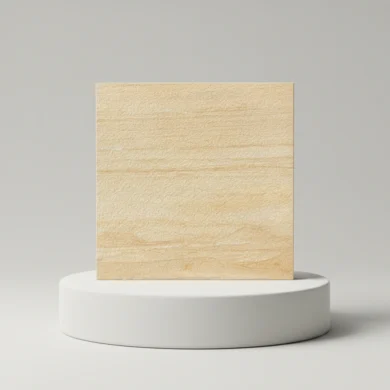
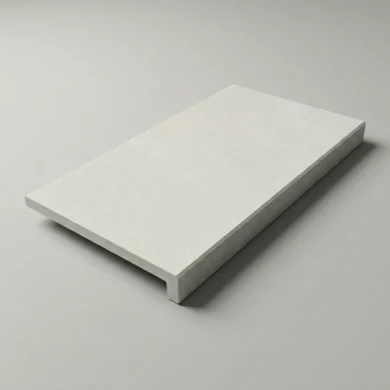
Natural White, Teakwood and Grey make up Stone Planet’s confirmed Sandstone colour range. Natural stone never behaves like a printed surface, so the colour spread across a courtyard or floor matters more than one isolated sample.
A larger area shows more tonal variation than a narrow path or a small room. Good planning starts by accepting that variation and then choosing the stone and finish that give the project the right overall character.
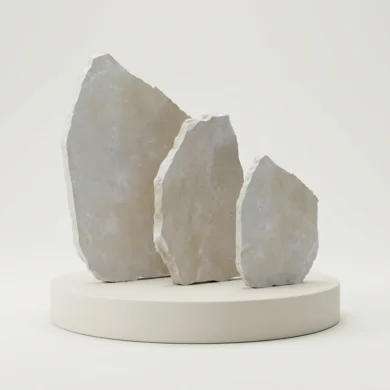
Natural White, Mint White and Himalayan Sandstone
Natural White Sandstone is Stone Planet’s main public name for the pale Indian Sandstone product. Stone Planet also recognises Mint White as another name for the same product, while Himalayan Sandstone describes the broader Indian Sandstone offer rather than a separate colour.
Australian Sandstone is a different sourcing choice. Stone Planet can source it through Australian partners when a project specifically calls for local stone, and the Himalayan White and Australian Sandstone comparison gives that buyer decision useful context.
Similar trade names do not prove that two suppliers offer the same stone. Compare the actual product, finish, size and current material rather than buying from the name alone.
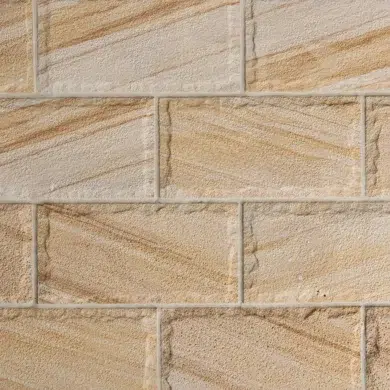
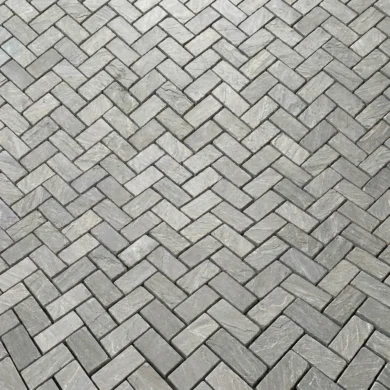
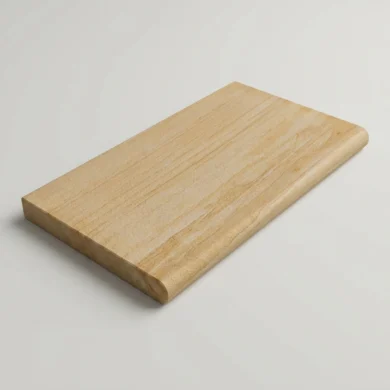
Teakwood and Grey Sandstone
Teakwood Sandstone brings a warmer visual character into the range, while Grey Sandstone gives buyers a cooler neutral option. The current product determines which sizes, thicknesses and finishes Stone Planet can offer in each colour.
When a project uses several Sandstone formats, confirm the colour and finish across the complete requirement at the same time. That makes it easier to coordinate paving, coping, steps or wall pieces without assuming that every product shares the same specification.
Sandstone Finishes
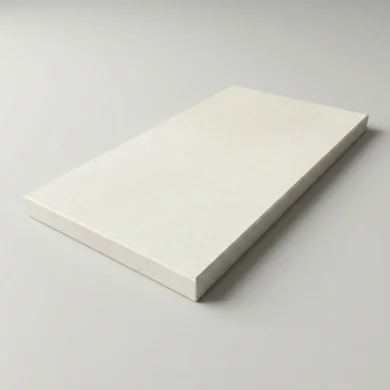
Finish changes Sandstone substantially, so buyers should compare the surface as carefully as the colour. Natural Split keeps the strongest natural texture, Sandblasted creates a more even worked face, and Honed gives the stone a smoother appearance that shows colour and veining more clearly.
| Finish |
How it looks |
Current slip-evidence position |
| Natural Split |
Natural broken texture that varies from piece to piece |
Stone Planet has P5 evidence at finish level; match the report to the actual product before relying on it. |
| Sandblasted |
Worked texture with a more even overall face |
Stone Planet has P5 evidence at finish level; match the report to the actual product before relying on it. |
| Honed |
Smoother face that shows colour and veining clearly |
Stone Planet’s current category-level position is P3; confirm the current product/report match. |
Natural Split Sandstone
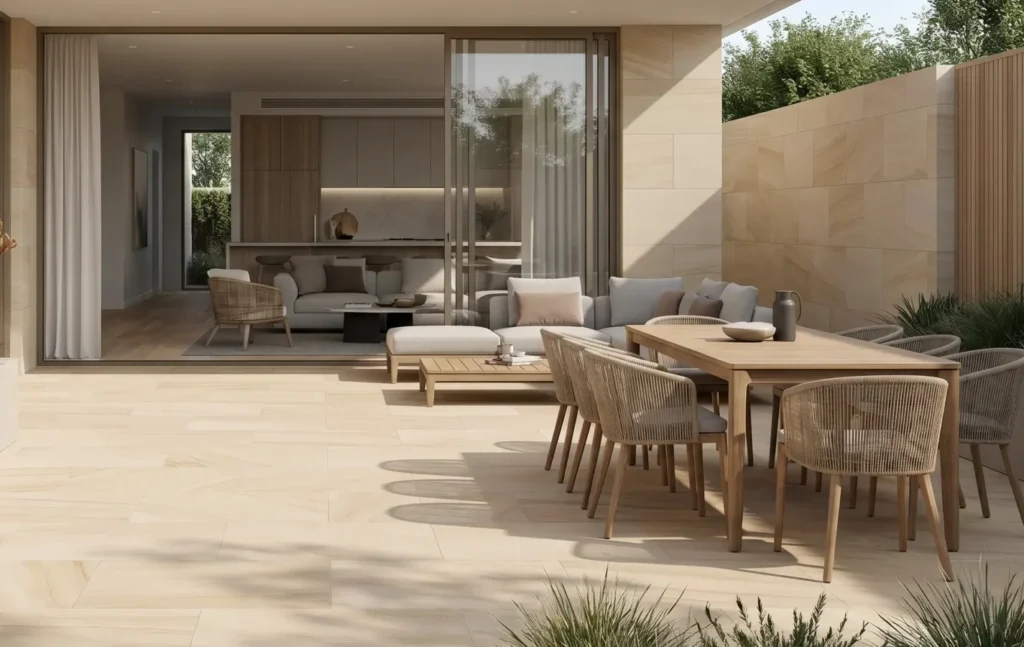
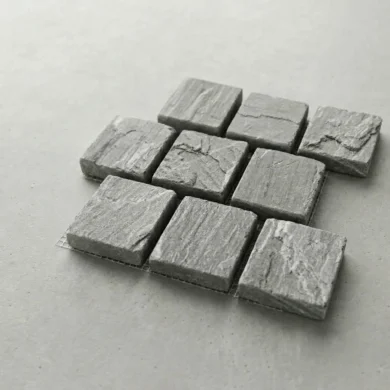
Natural Split Sandstone keeps the stone’s broken face and makes texture part of the design. That finish can look particularly strong across larger paved areas because each piece contributes its own surface character.
Sandblasted Sandstone
Sandblasted Sandstone gives the face a more even texture while keeping a clearly worked natural-stone surface. Buyers who want texture without the stronger piece-to-piece relief of Natural Split often compare this finish closely.
Honed Sandstone and Slip Evidence
Honed Sandstone gives the stone a smoother face and brings colour and veining forward. Stone Planet’s current category-level evidence places Honed at P3, while Natural Split and Sandblasted sit at P5; however, the report still needs to match the exact product and finish before anyone relies on the number for a project.
Do not use P3 as shorthand for indoors or P5 as shorthand for outdoors. The project and the actual evidence still decide whether the product suits the specification.
Sandstone Sizes, Thicknesses and Calibration
Stone Planet’s confirmed Sandstone range includes 15mm, 20mm and 30mm thicknesses. Those numbers describe the wider material range rather than a rule that assigns one thickness to Tiles, Pavers, indoor areas or vehicle use.
| Specification |
Confirmed Sandstone position |
What the buyer should check |
| Common sizes |
400 x 400mm and 600 x 400mm |
Confirm the actual product, finish and format. |
| Thicknesses |
15mm, 20mm and 30mm across the wider range |
Do not treat thickness as an indoor/outdoor or vehicle rating. |
| Calibration |
Approx. +/-2mm where the actual product/specification supports it |
Confirm calibration on the exact product. |
Calibration narrows the thickness range of the product. It does not promise identical pieces, faster installation or one universal fixing method.
Sandstone Pavers, Tiles and Other Formats
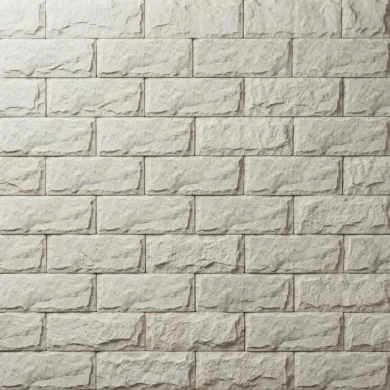
Most buyers begin with a format rather than a geology lesson. Sandstone Pavers suit landscape paving decisions, Sandstone Tiles suit tiled floors and walls, and the wider Sandstone range also reaches into irregular paving, cobbles, pool edges, steps and wall stone.
Sandstone Pavers and Tiles
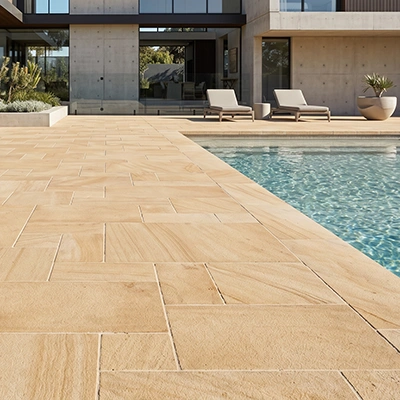
Sandstone Pavers cover natural Sandstone paving for patios, courtyards, paths, alfresco areas and qualified pool projects. Sandstone Tiles cover natural Sandstone floor Tiles, wall Tiles and suitable indoor or outdoor tiled surfaces. The actual product decides size, thickness and finish in both formats.
Sandstone Crazy Paving and Cobblestones
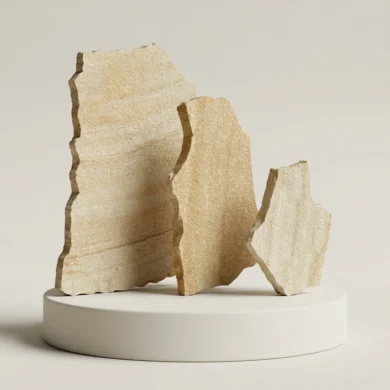
Sandstone has strong commercial relevance in Crazy Paving and Cobblestones. Crazy Paving gives projects an irregular layout, while cobblestones use smaller units and often enter driveway, path and border discussions. These formats keep their own product and installation decisions, so the broad format categories remain the right place to compare them.
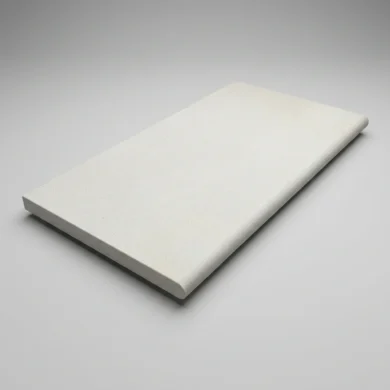
Sandstone Pool Coping, Steps, Walling and French Pattern
Stone Planet can also discuss Sandstone for pool coping, treads and risers, stepping stones, French Pattern and natural stone walling where the project and current product range support them. When one job uses several formats, confirm the related pieces early instead of solving the main floor or paving first and chasing the rest later.
Sandstone for Paving, Flooring and Project Stone
Outdoor Sandstone Paving
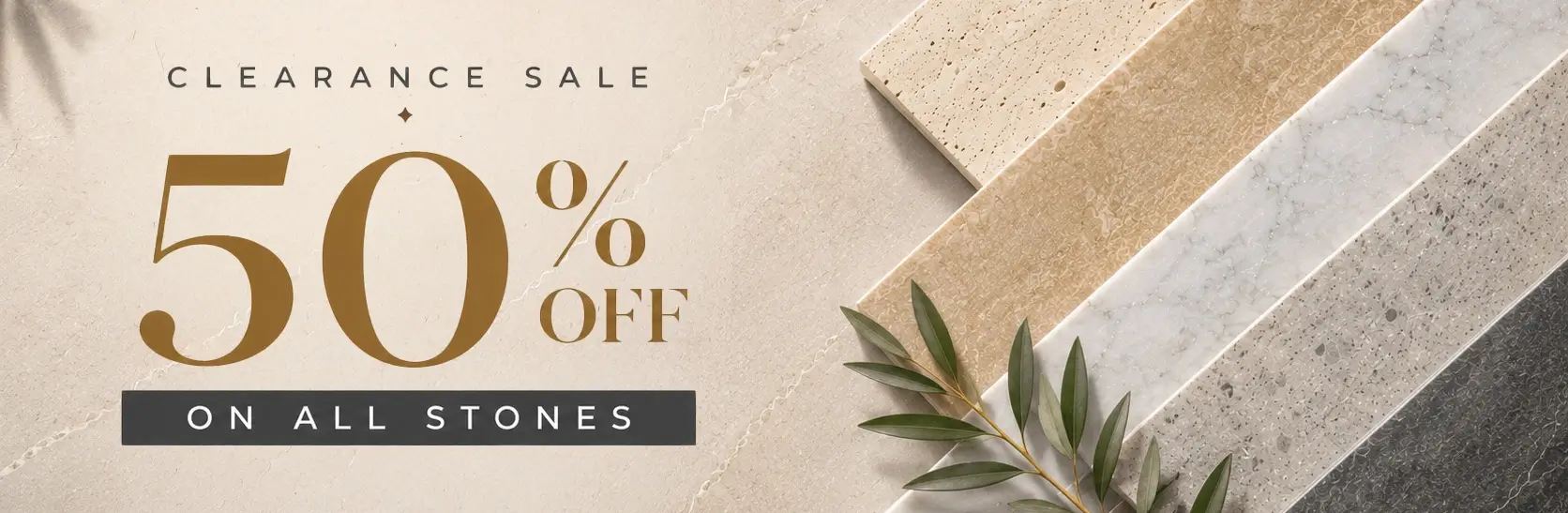
Natural Sandstone paving can work across patios, courtyards, paths, alfresco areas and suitable pool projects. The actual Paver, finish, thickness, layout and project requirements should drive the decision rather than a blanket statement that all Sandstone works everywhere outdoors.
Sandstone Flooring and Tiled Areas
Sandstone also works as natural stone flooring where the Tile product and project suit the use. If the material choice is still open, Natural Stone Flooring gives a broader comparison across stone types before the project narrows to Sandstone.
Choosing Sandstone for Pools and Driveways
Stone Planet does not rule Sandstone out for Pool Surrounds. Instead, the actual product, finish and project requirements decide whether Sandstone makes sense around the pool. For Driveways, Stone Planet starts with cobblestones and usually starts the broader material comparison with Granite cobblestones; Sandstone cobbles can still suit a project when the client specifically wants Sandstone and the project supports it.
Indian Sandstone, Australian Sandstone and Project Supply
Indian Sandstone and the Rajasthan Factory
India supplies most of Stone Planet’s Sandstone range. Stone Planet buys directly from Indian Sandstone quarries where applicable and processes relevant Indian Sandstone through its own factory in Rajasthan.
That factory gives Stone Planet direct visibility while the stone goes through sizing, finishing and production checks. It also gives project teams a practical route to discuss custom sizes, thicknesses, finishes and special pieces where production makes them feasible.
Australian Sandstone Through Partners
Stone Planet can also source Australian Sandstone through partners when a project specifically requires local stone. Stone Planet does not quarry or process that Australian material itself, so the supply path differs from the Indian range.
Production Checks and Custom Project Stone
Stone Planet’s Sandstone production checks can include production photographs, random quality checks and dimensional or calibration checks while the work is underway. These checks improve visibility during production without turning natural stone into a perfectly uniform manufactured surface.
For custom project work, Stone Planet can discuss special sizes, thicknesses, finishes, coping, steps, walling and other pieces where production supports the requirement. The project still needs a feasibility check before anyone plans around a custom item.
Why Choose Stone Planet as a supplier for Sandstone?
A Sandstone supplier adds value when it can do more than show a finished pallet. Stone Planet combines direct Indian quarry buying where applicable with its own Rajasthan factory, so the team can follow relevant Indian Sandstone through production rather than only checking it after arrival.
- India supplies most of the range, while Australian Sandstone remains available through partners when a project calls for it.
- Stone Planet can check production photographs, dimensions and calibration during relevant Indian Sandstone production.
- The range covers Pavers, Tiles, Crazy Paving, cobblestones, coping, steps, walling and other project pieces.
- Stone Planet can discuss custom sizes, thicknesses, finishes and related project stone where production supports the requirement.
- Residential buyers, landscapers, builders, architects and trade customers can bring the complete stone requirement into one supply conversation.
Stone Planet is your wholesale supplier for premium Sandstone across Australia.