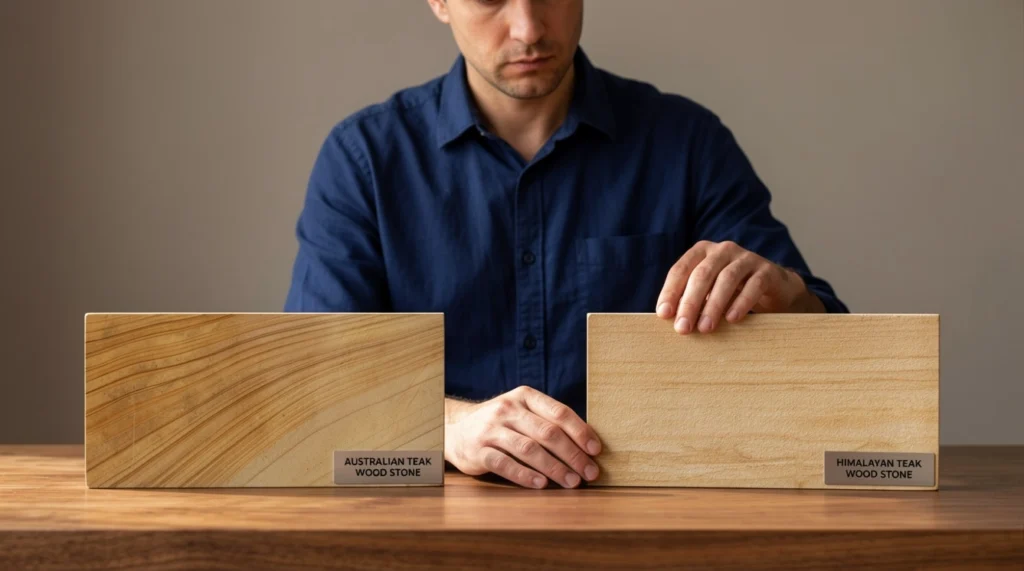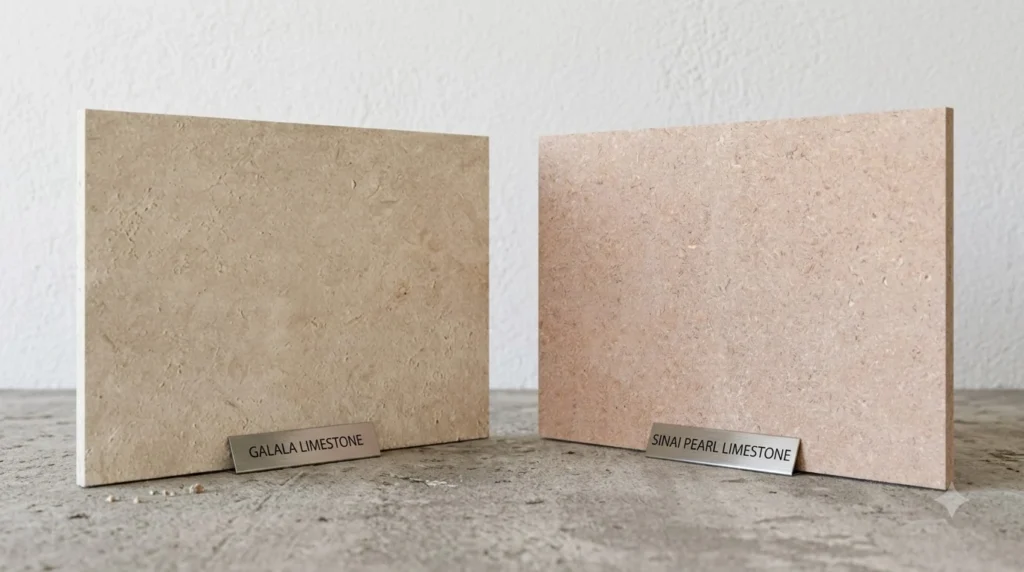
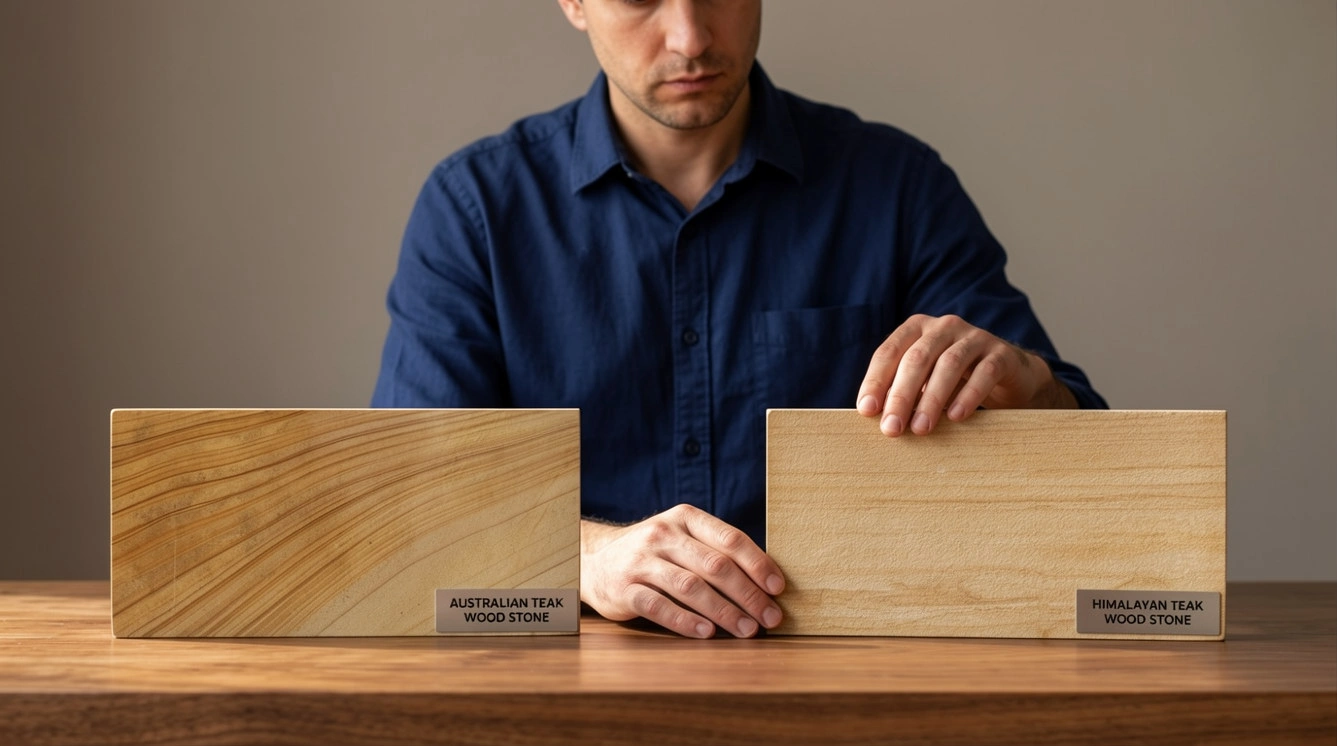
Anyone comparing Himalayan and Australian sandstone side by side is usually trying to answer one practical question: will the cheaper import work for us, or am I better off paying more for something quarried closer to home? It is a fair question, and the honest answer is that both stones can work well but they solve different problems depending on the climate exposure, design intent and budget of your project.
Let’s discuss what differentiates these two stones once they have been installed and have been living outdoors for a decade or two.
Two Different Formation Stories
Sandstone is essentially sand grains that got compressed and cemented together over millions of years. So, what really differentiates it? It is the specific minerals that got cemented and the conditions under which they happened. This changes everything about how the final stone performs.
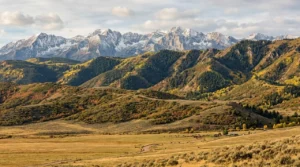
Australian sandstone is commonly the variety quarried around Sydney, formed from ancient river and delta systems that deposited layers of quartz-rich sand over an extremely long geological time frame. That slow, steady deposition is part of why it has such a warm, honey type character. That is why it is preferred for heritage buildings across Sydney for well over a century.
Himalayan sandstone forms in a completely different environment. It is found in the foothill belts of Madhya Pradesh, Northern India, where geological pressure and mineral content differ. This is why you rarely see such colour in Australian stone, such as mint greens or deep mango tones, or beige tones. Also, its surface texture out of the quarry tends to be rougher and more naturally split rather than smooth.
Neither formation process makes one stone inherently “better.” They just produce genuinely different materials with different personalities.
The Density of these Sandstones
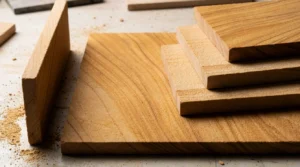
There is a common claim that Himalayan sandstone is denser than Australian sandstone. The reality is much more complicated and depends heavily on which specific quarry batch you are comparing. Since sandstone density varies within each source, depending on the exact deposit layer it came from. Confused? No worries. Let me make this easier. Each quarry has several pockets(regions). Blocks of these natural sandstones are cut from these different pockets. Each block will have its own unique character and tone.
What’s more useful than chasing a density number is understanding that both stones sit in the same general category as porous, sedimentary materials. Neither is a low-maintenance, seal-once-and-forget product like granite or a dense quartzite. Both will absorb some moisture, both benefit from proper sealing, and both can develop staining if left untreated near garden beds, planters, or areas with consistent water runoff.
If someone tells you one sandstone type doesn’t need sealing because it’s “naturally sealed” or unusually dense, that’s a red flag worth pushing back on. Ask for actual water absorption test data from the specific batch you’re buying, not a claim about the stone type.
Colour and Character: This Is Where the Real Decision Happens
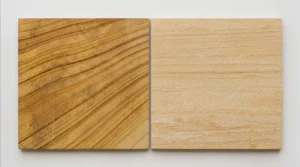
Most people choose between these two stones and aren’t actually deciding based on technical specs. They’re deciding based on what look they want their project to have.
Australian sandstone carries that established, sun-warmed look that’s baked into Australian architectural history. If you’ve walked past the Queen Victoria Building or any of Sydney’s older sandstone terraces, you already know the tone: soft cream through honey gold, sometimes with a faint blush of pink or grey running through it. This look pairs naturally with heritage homes, federation-style renovations, and anything trying to feel like it’s always belonged on the property.
Himalayan sandstone doesn’t try to replicate that look, and it shouldn’t be compared as if it’s trying to be a cheaper Australian sandstone substitute. It has its own identity, with more saturated colour options and a naturally rugged, split-face texture straight off the palette. It suits projects with a more eclectic or contemporary garden design, where the goal is textural interest and colour variation rather than matching a traditional Australian aesthetic.
If you’re renovating a heritage property, don’t try to force Himalayan sandstone into that context just to save money. It’ll look out of place, and you’ll likely end up unhappy with the result, regardless of the cost savings. Save the budget stone for a project where its own character fits the brief.
What Actually Drives the Price Gap
Local Australian sandstone generally costs more, and the reasons are straightforward: local quarrying labour costs more than overseas labour, supply is more limited since there are fewer active Australian sandstone quarries relative to demand, and there’s less large-scale export competition driving prices down.
Himalayan sandstone benefits from its large-scale quarrying operations in India. But the real reason why they are extremely economical in comparison to the Australian alternative is the lower labour costs. This is why it typically lands at a noticeably lower price point once it reaches Australian suppliers.
This price gap is real, but it should not be the only factor. A cheaper stone that does not match your design or that requires more frequent sealing because of a specific porosity will cost you more in maintenance and dissatisfaction than the upfront saving was worth. A better alternative is the Teakwood Sandstone, also known as khatu teak.
Format-by-Format: What to Actually Watch For
Tiles
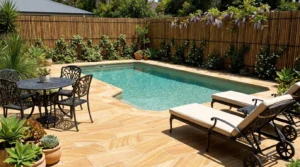
For less traffic flow areas in indoor or outdoor regions like verandas or alfresco, thickness matters more than stone origin. Both stone tiles come in similar profiles, but always ask your supplier for the exact thickness tolerance. The inconsistent tile thickness is a bigger installation headache than most people expect. It is more common with budget-friendly, imported batches that have not been well calibrated.
Pavers
Outdoor pavers of the driveway and pathway need to handle direct weight and repeated abrasion. This is where you genuinely want to see test data. Ask specifically about compressive strength and abrasion resistance figures for the exact batch that you are buying. Quality varies more within Himalayan sandstone sourcing than most buyers realise.
Crazy Paving
Since crazy paving uses irregular shapes, the visual character of the stone matters more here than in any other format. This is genuinely a matter of taste rather than performance. Request physical samples of both stones side by side before committing.
Copings
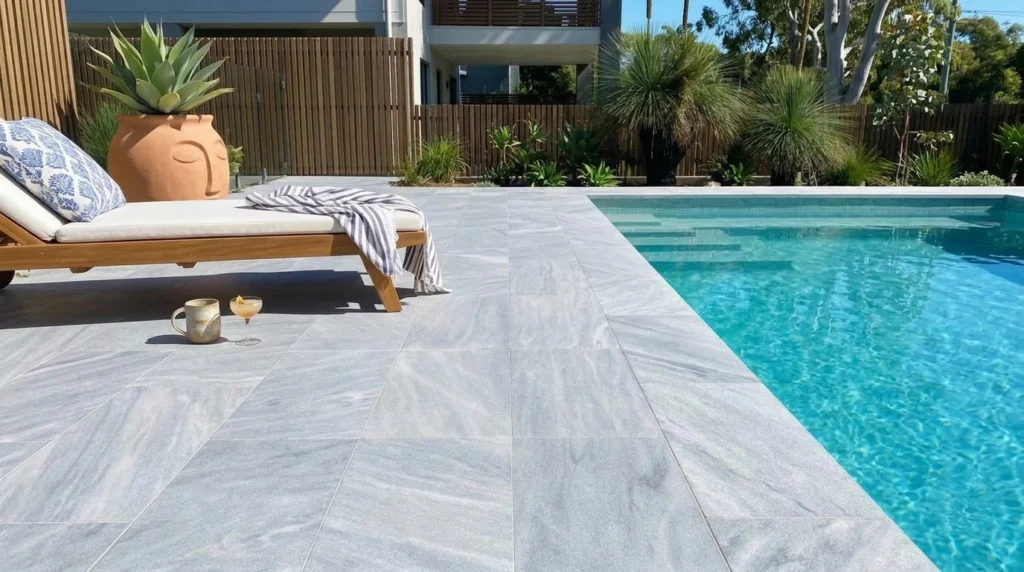
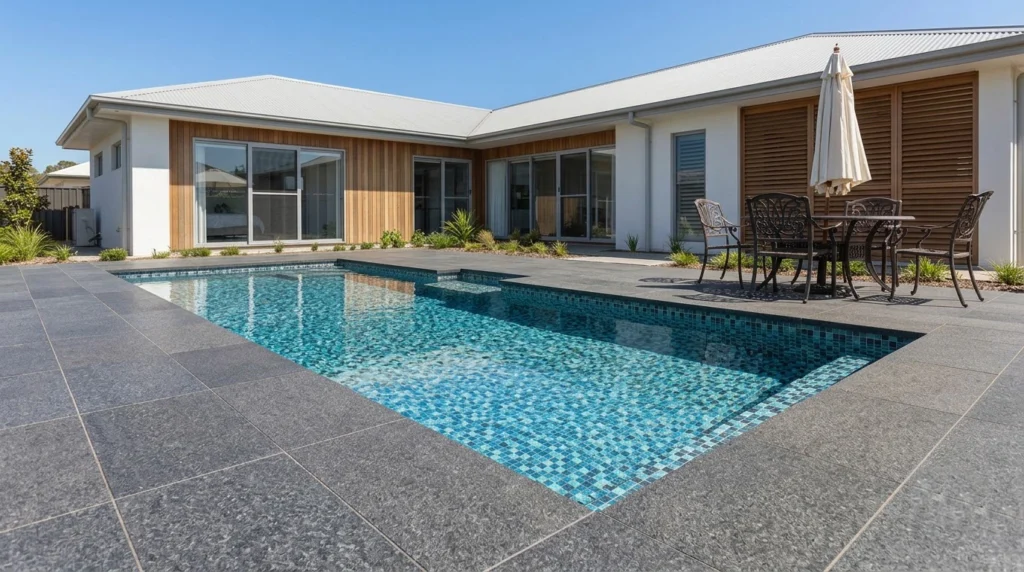
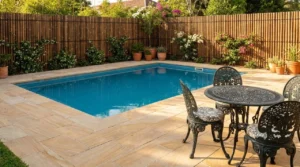
Pool copings sit in one of the harshest environments on a property. It has constant moisture, chlorine exposure, and direct sun. Whichever stone you choose, insist on a textured or honed finish rather than polished. Ask your supplier directly what slip rating the specific finish carries. This is a genuine safety issue and not a design preference.
Wall Cladding
Vertical wall cladding does not face the same wear & tear. The moisture exposure is also less than that of ground paving. It is where budget stone can make the most sense if the colour and texture suit your design. A feature wall is a less risky place to experiment with Himalayan sandstone’s bolder colour options.
The Real Question to Ask Your Supplier
Instead of asking “which stone is better,” ask your supplier these three things: what’s the actual water absorption rate for this specific batch, what finish do you recommend for my exact application (driveway, pool, cladding), and can I see this stone installed somewhere that’s had at least five years of weather exposure?
Himalayan Sandstone is highly imported in Honed & Tumbled finish. It has a slip rating of P3 as per the Australian standards. The preferred application area is indoors, but it can be used outdoors (except for pool surrounds). It is also imported in a natural split finish. It is the real finish of this stone without any external procedure. It has a high slip rating of P5 and is preferred as a great choice for outdoor applications. It is highly in demand in many regions of Queensland.