Search

Travertine Pavers

Premium Travertine Pavers in Australia

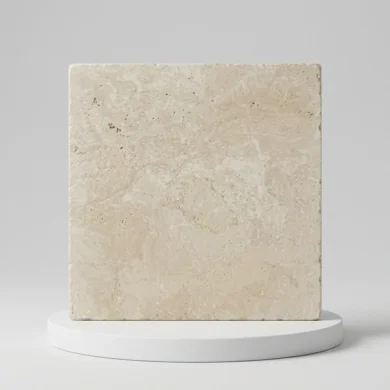
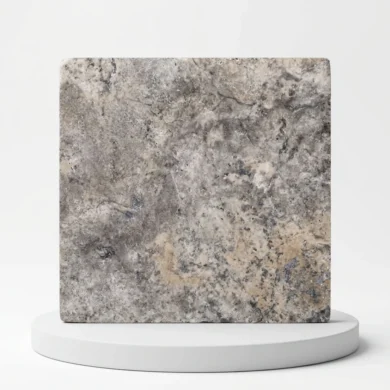
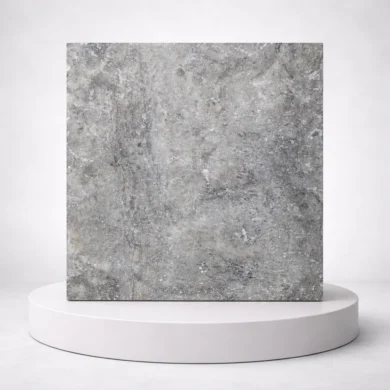
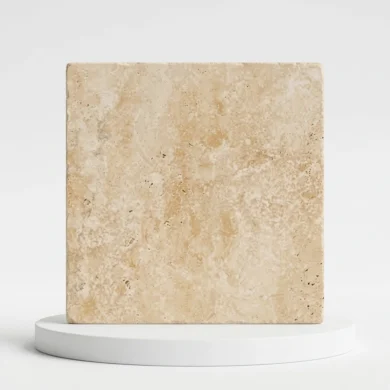
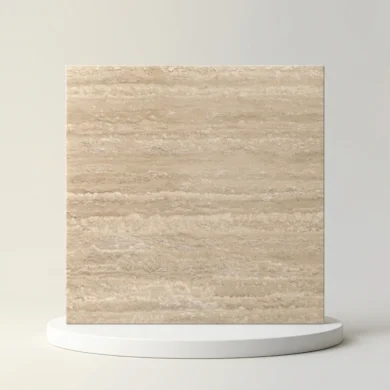
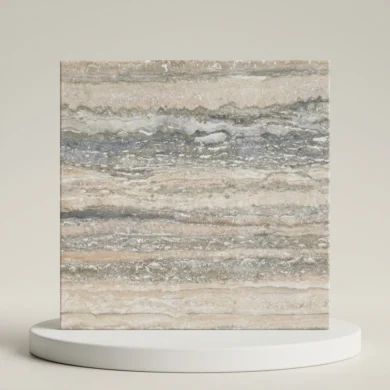
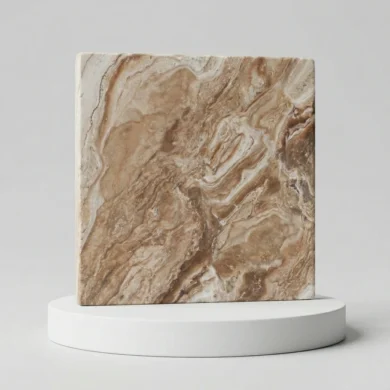
Stone Planet provides enduring beauty and exceptional structural resilience with our premium Travertine Pavers. Imported directly from the best Turkish quarries, our selection features a refined color palette including Classic Beige, Ivory, Silver, and Noce. Specially curated for the demanding Australian environment, these 30mm thick travertine pavers represent the benchmark for pool surrounds, patios, backyards and alfresco entertaining zones. 

Showing all 9 results

Sort by
Show


Australia’s Premium Travertine Pavers for Outdoor Areas

Travertine Pavers are known as one of the most sophisticated paving materials in Australian landscaping, providing the perfect balance of Mediterranean style and rugged durability. These 30mm thick units are ideal for constructing high-end patios and tranquil, salt-tolerant pool surrounds. 

Unlike human engineered materials such as concrete or porcelain, Travertine pavers are 100% natural limestone created in thermal springs, resulting in a dense, porous composition that is both stunning and practical. The organic texture and unique surface veining offer a high-end finish that manufactured products cannot duplicate. 

Designed for the Australian Lifestyle

Whether you are restoring a classic courtyard in Sydney or developing a modern coastal home on the Northern Beaches, our elite range of travertine pavers offers the maximum value. Beyond their visual appeal, travertine is a timeless investment; its lasting charm and beauty are known to boost property value over time. 

  • For Pool Surrounds: Use honed and unfilled travertine pavers to create a high-traction, heat-resistant surface that remains considerably comfortable for bare feet even during peak summer. 
  • For Patios & Paths: Travertine pavers in a French Pattern or 610x406mm format in honed and unfilled finish, ensure a consistent flow, offering a long-lasting, slip-resistant area for outdoor dining and garden walkways. 

What are the Features of Travertine Pavers?

When choosing travertine paver, it is essential to know why this 30mm thick stone outperforms porcelain, concrete, and ceramic options in the Australian climate: 

Superior Thermal Regulation & Heat Reflection

Travertine features high thermal mass and a distinct porous surface that allows it to remain notably cooler than man-made porcelain or concrete products. This makes Travertine pavement ideal for Australian conditions, as it reflects sunlight. Even during the height of a Sydney summer, these pavers stay pleasant for bare feet, making them suitable for sun-exposed patios and pool decks. 

Exceptional Durability & Structural Density

While travertine is technically a “softer” stone when compared to granite, its 30mm depth makes it remarkably tough for high-traffic external uses. It is engineered to endure environmental pressures without cracking or warping. Additionally, as a natural limestone, it is inherently immune to harsh Australian UV exposure; unlike man-made pavers, the natural pigments in travertine won’t fade or whiten over time, ensuring your project looks pristine a decade after installation. 

Safety-First Slip Resistance (AS 4586 Standards)

Safety is a vital consideration for any Australian home build. For wet zones, we suggest honed and Unfilled finish travertine pavers, which offers P4 to P5 slip rating (the peak rating under Australian Standards). These attractive pavers offers peace of mind for families, providing stable footing on pool edges, backyards, and garden trails where water is often present. 

Bespoke Natural Aesthetics & Timeless Value

A primary benefit of a travertine paver is its distinct character. Because it originates in mineral springs over millennia, no two pavers are the same. Each unit displays unique natural pitting, mineral inclusions, and color shifts ranging from light walnut to silver-grey. This organic “variation” creates a premium, customized appearance that mass-produced “manufactured” pavers simply cannot match, adding an upscale feel and notable resale worth to your home. 

Available Travertine Pavers by Finish and Sizes

Choosing the correct travertine paver involves balancing visual appeal and safety. At Stone Planet, we offer the most practical and popular surface finish for the Australian way of life, available in standard industry sizes built for structural integrity. 

Honed and Unfilled Travertine Pavers

For external spaces, Honed and Unfilled Travertine pavers are the premier choice in Australia. With this finish, the edges are tumbled meticulously and the stone’s natural pores remain open, highlighting the raw beauty of Travertine while delivering high slip resistance for outdoor areas. 

Popular Travertine Paver Sizes

  • 610x406x30mm: The most sought-after size for external projects in Sydney. It provides a refined rectangular aesthetic that visually expands patios and pool perimeters. 
  • 610x610x30mm: A contemporary square shape that produces a sharp, minimalist grid effect for expansive alfresco zones. 
  • French Pattern (Set of 4 sizes): A modular arrangement (30mm thick) that offers a classic, European look ideal for rural estates and seaside residences. 

Types of Travertine Pavers for Australian Project Spaces

At Stone Planet, we believe a successful installation depends on matching the specific travertine paver finish to the practical requirements of your space. Here is our guide for various project areas: 

Travertine Pavers for Pool Surrounds

Travertine is the undisputed leader for Australian pool surrounds. Because external travertine pavers are naturally resistant to salt and highly breathable, they allow liquid to drain while offering a high-grip surface. Crucially for the Sydney climate, the stone remains cool even in 40°C temperatures. 

  • Expert Selection: We suggest a Honed and Unfilled finish for higher slip rating, ensuring maximum safety for the family. 

Travertine Pavers for Patios & Entertainment Areas

Your patio serves as an extension of the home. Travertine pavers in a French Pattern layout produces a classic, modular aesthetic that conceals dirt and tracks, making it an ideal low-maintenance base. 

Travertine Pavers for Driveways and Carports

While 12mm tiles might crack under heavy loads, 30mm travertine pavers provide the structural strength needed for home driveways or carports when installed on a reinforced concrete bedding. 

  • Expert Selection: We recommend richer colors like Noche or Silver in a tumbled finish for the best look. 

Travertine Pavers for External Wall Cladding

Turn your garden walls or home facade into a luxury focal point with Travertine. While commonly used for flooring, these stones are gaining popularity for vertical installation to create a uniform “resort-style” look. 

  • Design Tip: Use 30mm pavers as step treads to maintain a unified profile across the entire landscape. 

Travertine Pavers for Backyards & Garden Paths

Step up from standard concrete and clay bricks. Using travertine pavers for garden trails adds a sense of European sophistication to your yard. They are tough enough to survive all weather extremes and offer a lovely contrast against green turf and flower beds. 

Travertine Pavers by Color: Choosing the Right Palette for Your Project

At Stone Planet, we curate our range to complement the diverse environments of Australian homes. Color is the bedrock of your design—it complements and determines how wonderful your project will look once finished.  

Ivory Travertine Pavers (The Timeless Classic)

Ivory Travertine Pavers are a favorite for creating a clean, airy, “coastal” feel. Showcasing soft cream and buttery tones, these pavers are a top pick for pool decks and Hamptons-style yards. 

  • Design Impact: Ivory bounces natural light effectively, making compact outdoor areas feel much more spacious and open. 
  • Best For: Premium pool surrounds and open-concept alfresco zones in modern Sydney residences. 

Beige Travertine Pavers (The Mediterranean Warmth)

If you desire that classic European look, Beige Travertine Paver is the perfect option. Providing a warm spectrum of sand, honey, and tan, these pavers offer a “warm” base that feels stable and welcoming. 

  • Design Impact: The natural beige tones are highly practical, easily masking the dust and organic mess of a busy Australian backyard. 
  • Best For: Sun-soaked terraces, garden walks, and traditional Mediterranean-style landscaping. 

Grey & Silver Travertine Pavers (The Modern Sophisticate)

For a sharp, high-end aesthetic, Silver Travertine Pavers delivers a beautiful mix of ash, charcoal, and bright silver tints. This color has become very popular with Australian designers for its ability to suit both grand and minimalist layouts. 

  • Design Impact: The cool silver undertones create a bold contrast against wood decking, glass fencing, and green plants. 
  • Best For: Modern pool projects, contemporary accent walls, and “cool-toned” architectural projects. 

Noche Travertine Pavers (Depth and Drama)

Noche Travertine Paver is marked by its deep chocolate browns and intense walnut shades. It is the ideal selection for property owners wanting to make a strong statement and add architectural weight to their area. 

  • Design Impact: Noche offers superb contrast when coordinated with lighter features, producing a sense of luxury and “old-world” prestige that stands out against the sky. 
  • Best For: Driveways, focal pathways, and garden zones where you wish to establish a warm, intimate feel. 

How to Clean and Maintain Travertine Pavers 

Caring for Travertine pavers is simple if you follow professional guidelines and remember the “Stone Do’s and Don’ts.” As it is a natural product, it needs different maintenance than ceramic or concrete, but the payoff is a landscape that matures beautifully over decades. 

Sealing & Long-Term Protection

Travertine is a porous sedimentary rock. Sealing is the most vital step in shielding your investment from Australian weather extremes—from humid summers to coastal salt spray. 

  • The 24-Month Rule: For external travertine pavers, we advise applying a premium penetrating sealer every 18 to 24 months. This permeates the pores without ruining the stone’s natural grip. 
  • The “Bead Test”: Splash a bit of water on the stone. If it stays in beads, your sealer is working. If it absorbs, it’s time to apply a new coat. 
  • Coastal Protection (Salt Attack): If you reside near the coast or own a saltwater pool, sealing is essential to stop “salt spalling,” where salt buildup can cause the stone to flake over time. 

Routine Cleaning Best Practices

Regular care for travertine pavers is easy but requires appropriate products to prevent “etching” (chemical damage) to the surface. 

  • Debris Management: Sweep frequently or use a blower. In Australia, fine grit and sand act like an abrasive; clearing this prevents tiny scratches. 
  • pH-Neutral Cleaners Only: Never apply vinegar, bleach, or citrus-based products. Travertine is calcium-based; acids will dissolve the stone. Use only pH-neutral stone cleaners for thorough washing. 
  • Pressure Washing Caution: Be careful with high-PSI cleaners. Too much pressure can damage the natural stone and widen the pores. Use a low-pressure “soft wash” technique for the best results. 
  • Moisture Control: Confirm your outdoor spaces have adequate drainage. Avoid standing water “puddles,” which can cause efflorescence (white salt marks). 

What to Strictly Avoid

To ensure the longevity of your Travertine pavers, ensure you and your cleaners avoid the following: 

Avoid  The Reason Why 
Acidic Cleaners  Vinegar and bleach chemically dissolve the stone, leaving permanent dull spots (etching). 
Abrasive Tools  Wire brushes and scouring pads will ruin the surface finish and leave scratches. 
Generic Sealers  Basic “wet-look” or acrylic sealers trap moisture inside, causing stone rot. 
High-Pressure Blasting  Excessive PSI can strip the natural stone, making the surface harder to maintain later. 
Steam Mops  While uncommon outdoors, intense heat can degrade your sealer prematurely. 

What is the Difference Between Travertine Pavers and Travertine Tiles

At Stone Planet, the most frequent question is whether a project needs a travertine paver or a travertine tile. While both come from the same premium Turkish quarries, the main difference is the thickness and intended structural use. 

30mm Travertine Pavers

Travertine pavers are a heavy-duty 30mm thick stone. They are crafted to offer total structural strength and can be installed on various bases, including sand/gravel or concrete. 

  • Best For: Pool areas, residential driveways, garden walks, and porches where no concrete slab exists or does. 
  • Benefit: The added thickness allows them to carry more weight and handle environmental changes without cracking. 

12mm Travertine Tiles

In the Australian market, Travertine tiles are cut to a 12mm depth. Since they are thinner and lighter, they are intended mostly for interior use or installation over existing concrete. 

  • Best For: Interior floors, bathroom walls, and outdoor living zones. 
  • Benefit: Their thin profile is perfect for renovations where floor clearance is limited. Highly recommended to install on a concrete bed. 

Comparison at a Glance

Feature  Travertine Pavers  Travertine Tiles 
Thickness  30mm  12mm 
Best Usage  Exterior Landscapes: Best for pools, driveways, and yards.  Indoors & Refurbs: Perfect for kitchens and living rooms. 
Installation  Can be set on sand/gravel (flexible) or bonded to concrete.  Must be laid on concrete using stone adhesive. 
Key Benefits  High load capacity and remains cool in the heat.  Lightweight and manageable for walls and interiors. 
Popularity  Australia’s favorite for resort-style pool designs.  The premier choice for luxury internal flooring. 

Common inquiries around Travertine Pavers

What is the best method for cleaning Travertine Pavers Outdoors?

Travertine Pavers are natural, calcareous stone characterized by its porous structure and high sensitivity to acidic compounds. To maintain its structural integrity and aesthetic appeal, cleaning must be performed using chemically compatible agents and non-invasive mechanical methods. 

Below are the steps to keep your outdoor Travertine Pavers pristine for a long time:  

  1. The “Dry” Clean

Before you use any water, sweep the area thoroughly. 

  • Why: If you leave dirt or sand on the stone and start scrubbing, it acts like sandpaper and can scratch the surface. 
  • Tool: Use a standard outdoor broom with soft bristles. 
  1. The “Soap and Water” Wash

For 90% of cleaning, you don’t need expensive chemicals. 

  • The Mix: Fill a bucket with warm water and a small amount of mild dish soap (like Dawn) or a specialized pH-neutral stone cleaner.
  • The Scrub: Use a soft mop or a soft-bristle brush to scrub the pavers. 
  • The Rinse: Rinse the area very well with a garden hose. If soap dries on the stone, it leaves a film that attracts more dirt. 
  1. Using a Pressure Washer (Be Careful!)

You can use a pressure washer, but you must be gentle. Travertine is a “soft” stone. 

  • Low Pressure: Keep the setting under 1500 PSI. High pressure can blast holes in the stone or wash away the sand between the pavers. 
  • Wide Spray: Use a wide fan tip (usually the white or green nozzle) and keep it at least a foot away from the ground. 

Two Rules, You cannot Miss!

Seal It: Apply a “penetrating sealer” every 2 years. It acts like a raincoat for your stone, making spills bead up instead of soaking in. 

Test First: Always test any cleaner on a small, hidden corner of a paver before doing the whole patio. 

How to choose Travertine Pavers for outdoor patios?

When choosing travertine for an outdoor patio, you are looking for a balance between safety (slip resistance), durability (weather resistance), and aesthetics.

Because travertine is a natural stone, no two pavers are identical. Here is how to select the right ones for your specific project. 

Choose the Right “Grade”

Travertine is categorized by its quality, which is determined by how many natural holes (vacuoles) are in the stone. 

  • Premium Grade: Has the fewest holes. The stone is dense, consistent in color, and the most durable. Best for high-traffic areas. (The only quality we supply) 
  • Standard Grade: Has some visible holes and more color variation. This is the most common choice for residential patios. 
  • Commercial Grade: Has many large holes and significant color shifts. It is cheaper but may require more maintenance or “filling” over time. 

Evaluate the Color and Heat

Travertine Pavers famous for staying cool in the sun, but color still plays a role: 

  • Light Colors (Ivory, Silver, White): These reflect the most sunlight and stay the coolest. They are ideal for bare feet around swimming pools. 
  • Dark Colors (Noce, Gold, Walnut): These absorb more heat and can get quite warm in direct summer sun. They are better for shaded dining areas or accents. 

Pick the correct finish

Choose Honed & Unfilled Travertine Pavers for outdoor patios. The primary reason to choose Unfilled Travertine for the outdoors is safety. 

  • Slip Resistance: A perfectly smooth, honed surface can become slippery when wet. However, because the natural holes are left open, they provide “micro-grip” for your feet and breaking the surface tension of the water. 
  • Water Management: On an outdoor patio, the open holes allow small amounts of water to settle into the stone rather than sitting on top in a slick film, which helps prevent hydroplaning. 

Stone Planet Advantage: Why We Are Australia’s Best Supplier of Travertine Pavers in Australia?

Stone Planet provides a bespoke selection of Turkish Travertine Pavers for the Sydney, Brisbane, and Melbourne homeowners and architects. Offered in numerous shades, textures, and dimensions, our range is expertly tailored for Australian residents and designers seeking an ideal fusion of elegance and durability. We meticulously select every Travertine Paver to guarantee elite density and tonal uniformity, delivering the selection engineered to endure the intense UV exposure which is typical of the Australian climate. 

By sourcing directly from premium quarries, we provide A-grade stone precision-cut for outdoor resilience, backed by local expertise to help you navigate technical requirements like P5 slip ratings and salt-tolerance for a project that enhances your property’s value for a lifetime.

FAQs

Questions? We have Answers

When installed and maintained correctly, travertine pavers can last between
30 and 70 years. Because travertine is a natural stone (a form of terrestrial limestone), it is inherently more durable than
man-made concrete pavers, which tend to fade or crack over a much shorter
20-year cycle.

The actual lifespan of your specific installation depends on three primary factors:

  • The Grade of Stone
  • The Climate
  • The Installation Method

Quality Grade and Longevity

The structural integrity of the stone is the biggest predictor of its lifespan.

  • Premium Grade: These pavers are high-density with minimal holes.
    They are the most resistant to “spalling” (chipping) and can easily last
    half a century or more.
  • Standard/Commercial Grade: These contain more natural voids.
    Over decades, these holes can expand or trap debris, which may lead to
    surface wear if not properly maintained.

Environmental Impact

While travertine pavers are incredibly tough, your local environment plays a role
in its weathering process:

  • UV Resistance: Unlike concrete or composite materials,
    travertine is UV-stable. It will not bleach or lose its structural strength
    from sun exposure, which is a major advantage in the Australian climate.
  • Freeze-Thaw Cycles: In colder regions, water can enter
    the pores of the stone, freeze, and expand. If you live in a frost-prone
    area, using a high-density, premium-grade stone is essential to reach
    that 50+ year mark.
  • Salt Tolerance: Travertine is highly resistant to salt,
    making it a lifetime material for poolside areas and coastal properties
    where salt air would corrode other surfaces.

The Maintenance Factor

Travertine is essentially permanent, but its appearance depends on how you treat it.

Action Impact on Lifespan
Sealing (Every 2 years) Prevents deep stains and stops water from sitting in the pores.
pH-Neutral Cleaning Prevents etching or the eating away of the stone’s calcium structure.
Sand Joint Upkeep Prevents pavers from shifting or rubbing against each other, which prevents cracks.

In Australia, the cost for 30mm travertine pavers typically ranges from
$60 to $120 per square metre for the material alone.

Prices vary based on the grade, color, and finish of the stone.
Below is a breakdown of the current market rates:

Cost by Grade (30mm Pavers)

Grade Price Range (Per m²) Description
Commercial / Standard Grade $60 – $80 Features more natural holes and significant color variations.
Premium / “A” Grade $85 – $120+ Denser stone with fewer holes and high color consistency
(popular for Ivory and Silver varieties).

    Join for inspiration and expert insights on natural stones.


    Product has been added to your cart