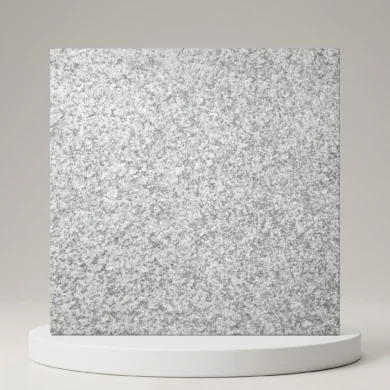
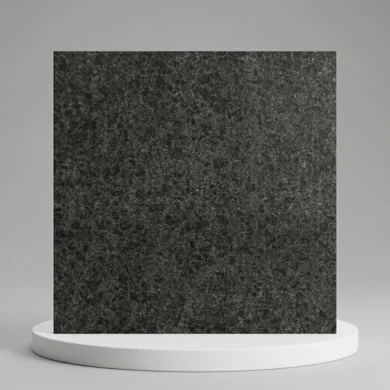
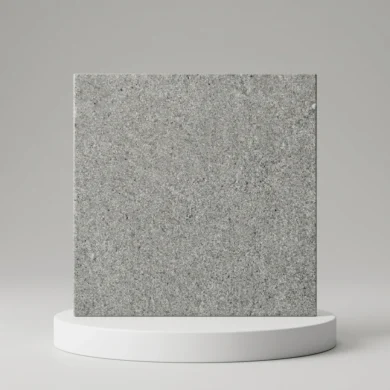
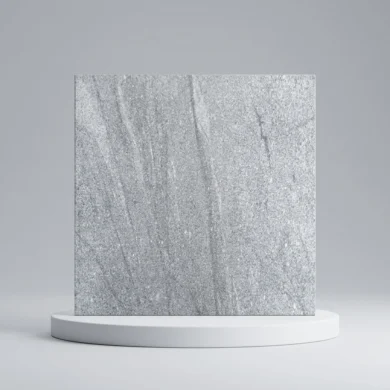
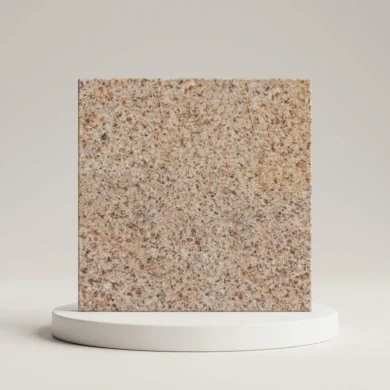
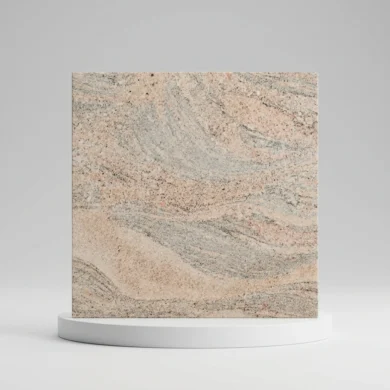
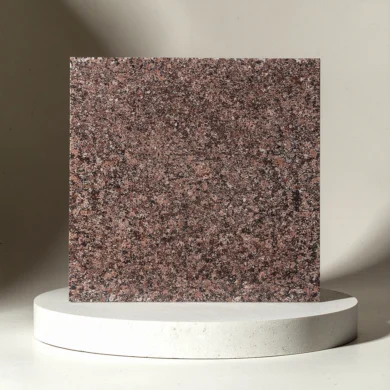
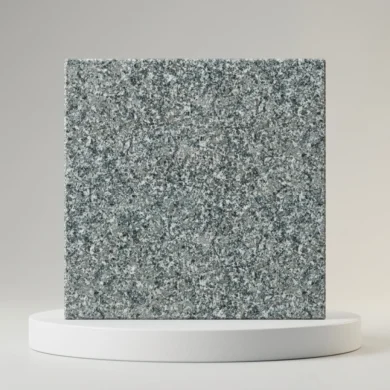
Ethically Sourced Stones
•
Free Samples
•
Australia wide delivery
•
Serving Globally Since 1993
•
If you’re looking for a stone that can handle the tough Australian sun and heavy use, Stone Planet’s Granite Pavers are the perfect choice. These pavers are made from solid volcanic rock, making them one of the strongest materials you can use for your home.
Whether you are building a new driveway, a backyard patio, or a pool area, our granite pavers are designed to last for a lifetime. They don’t just look great—they are also naturally non-slip and very easy to keep clean. Because they are so dense, they won’t crack under the weight of heavy cars or fade in the heat. Choosing our granite means you’re getting a beautiful, safe, and incredibly tough surface that adds real value to your property.
Granite pavers are premium-grade natural stone units renowned across the Australian landscaping industry for their rugged endurance and classic visual appeal. Geologically, these pavers are sourced from igneous rock—a material formed by the gradual cooling and solidification of molten magma deep within the Earth’s crust.
At Stone Planet, we advocate for the use of granite pavers in diverse structural environments. Their heavy mineral concentration, specifically quartz and feldspar, ensures they remain incredibly resistant to thermal shock and physical abrasion. Choosing these pavers guarantees a permanent, high-value flooring solution that thrives under pressure while maintaining its prestige over time.
More than just a heavy-duty stone, granite pavers are volcanic marvels. For those looking to build for the long term, understanding these specific features reveals why they are the preferred choice for Australian outdoor environments.
Unlike sedimentary options like limestone, Granite is an igneous powerhouse. The immense pressure of its formation creates a stone that is almost immune to structural cracking and surface scratches, making it the most robust paving material on the market.
Granite pavers are engineered by nature to survive the harsh Australian sun. High quartz levels allow the stone to remain stable during rapid temperature shifts. Furthermore, our lighter-toned pavers remain remarkably cool underfoot, making them ideal for barefoot summer areas.
The tight crystalline bond of granite pavers makes them significantly less absorbent than other natural stones. This low porosity is a vital feature for outdoor BBQ zones where grease, oil, and red wine spills are common occurrences.
We specialize in heavy-duty applications. Our granite for driveways is available in 30mm, 40mm, and 60mm thicknesses, specifically designed to handle:
For public paths and sloped residential driveways, safety is the priority. Our Flamed (Exfoliated) granite pavers meet the highest Australian safety benchmarks.
We provide a wide variety of dimensions to fit any project layout:
The Flamed (Exfoliated) finish is created by high-heat exposure, causing crystals to pop and form a textured, non-slip surface. It is the gold standard for Australian patios, carports, and pool surrounds.
Maintaining the brilliance and structural integrity of your granite pavers is remarkably straightforward. Because of their volcanic nature, they are naturally more forgiving than softer stones like limestone or sandstone. However, following a professional care routine will ensure your investment looks brand new for decades.
While granite is incredibly dense, it is still a natural product with microscopic pores. Proper sealing is the first line of defence against the elements.
A consistent cleaning routine prevents the buildup of organic matter and keeps the flamed finish looking sharp.
When designing a high-performance outdoor space, the choice betweenGranite Pavers andGranite Tiles is defined by the structural demands of the environment. While both share the same volcanic origin and P5 safety rating, they are engineered for very different functional roles.
Granite Pavers are the “workhorse” of outdoor landscaping. They are engineered for high-impact zones where structural integrity and load-bearing capacity are the top priorities.
Granite Tiles offer a sophisticated, low-profile finish for areas where aesthetic precision and pedestrian comfort are the primary focus.
| Feature | Outdoor Granite Pavers | Outdoor Granite Tiles |
| Mechanical Role | Structural Integrity & Load Bearing | Sophisticated Surfacing & Refinement |
| Standard Thickness | 30mm, 40mm, 60mm | 20mm |
| Best Suited For | Driveways, Carports, Steps | Patios, Pool Decks, Alfresco |
| Load Capacity | Heavy Vehicular Traffic | High Foot Traffic |
| Edge Profiles | Bullnose, Drop Face, Pencil Edge | Standard Straight Edge |
| Format Variety | Includes Treads & Risers | Standard Large Format |
To protect the crystalline structure and aesthetic of your granite, ensure you and your cleaning contractors avoid the following:
| Avoid | The Consequence |
| Acids, Vinegar & Bleach | These are the enemies of natural stone. They can etch the quartz polish, “burn” the surface, and strip away the protective sealant. |
| Wire Brushes & Metal Tools | Steel wool or heavy-duty scouring pads can leave tiny metallic fragments in the stone’s pores. In the Australian humidity, these fragments will rust, causing deep-seated orange discolouration. |
| Topical Acrylic Sealers | These create a plastic-like film that traps moisture beneath the surface. This leads to “milky” clouding, “spalling” (surface flaking), and can make the stone dangerously slippery. |
| Extreme PSI Blasting | Using a commercial-grade pressure washer at maximum power too close to the surface can erode the natural mineral binders, creating “micro-pits” that trap dirt and algae. |
| De-Icing Salts | While rare in many parts of Australia, if you are in a frost-prone area, avoid chemical de-icers. Use plain sand for grip instead, as salts can cause “salt-attack” and surface pitting. |
If a spill occurs, the secret is to blot, don’t rub. Rubbing can push the liquid deeper into the stone’s texture.
Choosing Stone Planet means you are sourcing granite pavers that have been tested against the harshest Australian conditions. Our standard range includes P5-rated finishes, ensuring your project complies with AS 4586:2013 safety codes without sacrificing the natural, breathtaking beauty of authentic volcanic stone.
Our commitment to quality extends beyond the stone itself to the expert support we provide every client. With decades of industry knowledge, we guide you through every stage—from selecting the right thickness for heavy-duty driveways to advising on the best architectural finishes for a high-end driveway. When you choose Stone Planet, you are partnering with an Australian leader dedicated to turning Granite Pavers into a lifelong asset for your property.
When choosing between granite pavers and concrete pavers for your Australian home, the biggest differences are found in their long-term durability and how they handle the harsh local climate.
At Stone Planet, we recommend granite for homeowners who want a "once-and-for-all" solution. Here is how they compare:
1. Structural Strength & Lifespan
2. Resistance to Fading (UV Stability)
3. Cracking and Thermal Expansion
4. Maintenance and Staining
Summary: Which is the Better Investment?
| Feature | Granite Pavers (Stone Planet) | Standard Concrete Pavers |
|---|---|---|
| Average Lifespan | 50+ Years (Lifetime) | 15–25 Years |
| Color Retention | Permanent (Natural Mineral) | Fades Over Time (Pigment) |
| Strength | Extremely High (Volcanic) | Moderate (Man-made) |
| Heat Resistance | Stays Cooler Underfoot | Holds Heat Longer |
| Value | Increases Property Resale | Standard Utility |
The Bottom Line: While concrete pavers have a lower upfront cost, granite pavers provide much better value over time. With granite, you won't have to worry about fading, cracking, or replacement, making it the superior choice for high-end Australian renovations.
``
Stone Planet has earned its reputation as a leading supplier across Australia’s major hubs by combining premium geological sourcing with a deep understanding of the local climate. Whether you are in Melbourne, Sydney, or Brisbane, we provide stone solutions that are specifically tested to thrive in your specific environment.
Here is why Stone Planet is the preferred name for granite paving:
To ensure your driveway can support the weight of vehicles without shifting or cracking, follow these professional installation steps for granite pavers:
1. Excavation and Sub-Base
2. Bedding Layer
3. Laying the Pavers
4. Cutting and Edging
5. Grouting and Compaction
6. Final Seal