

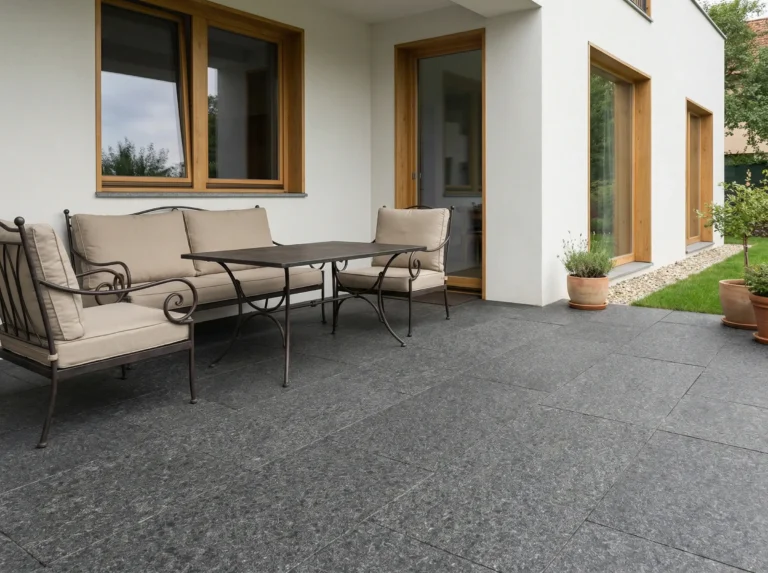
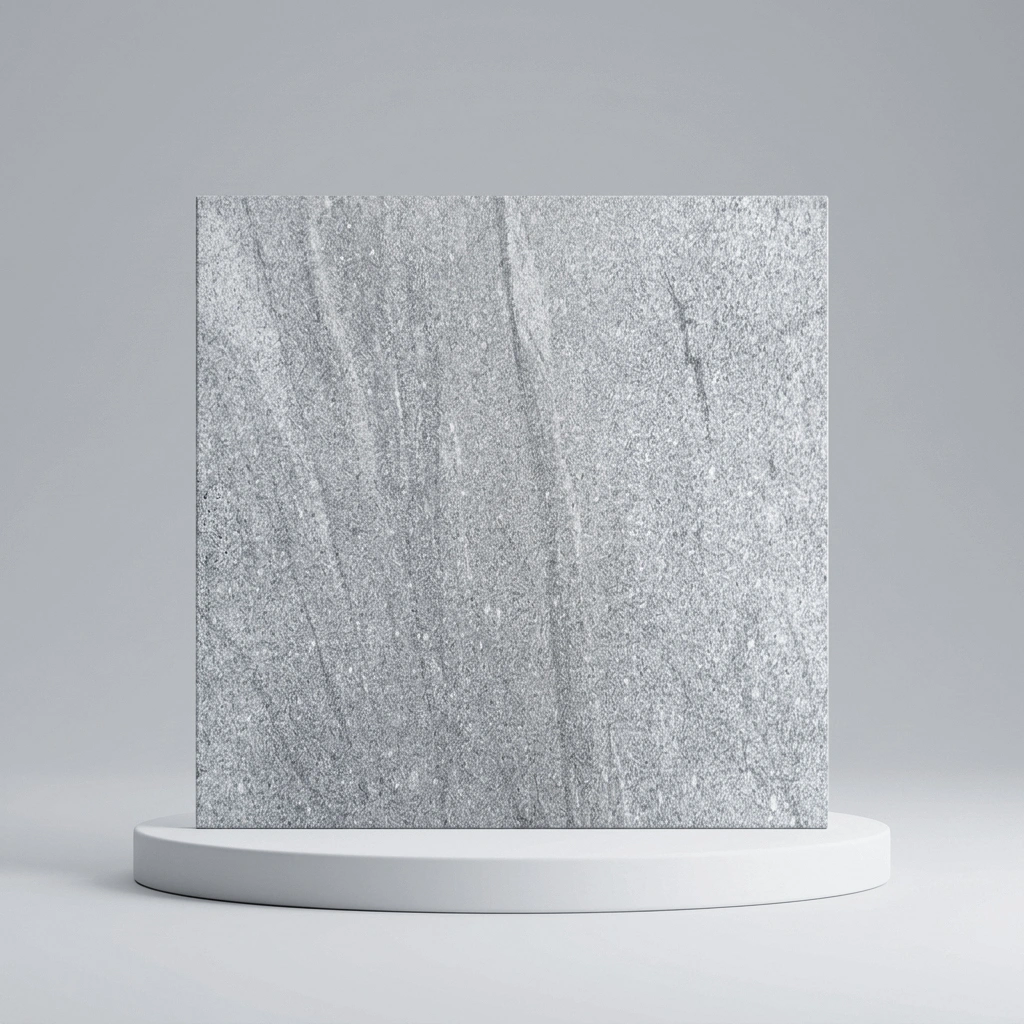
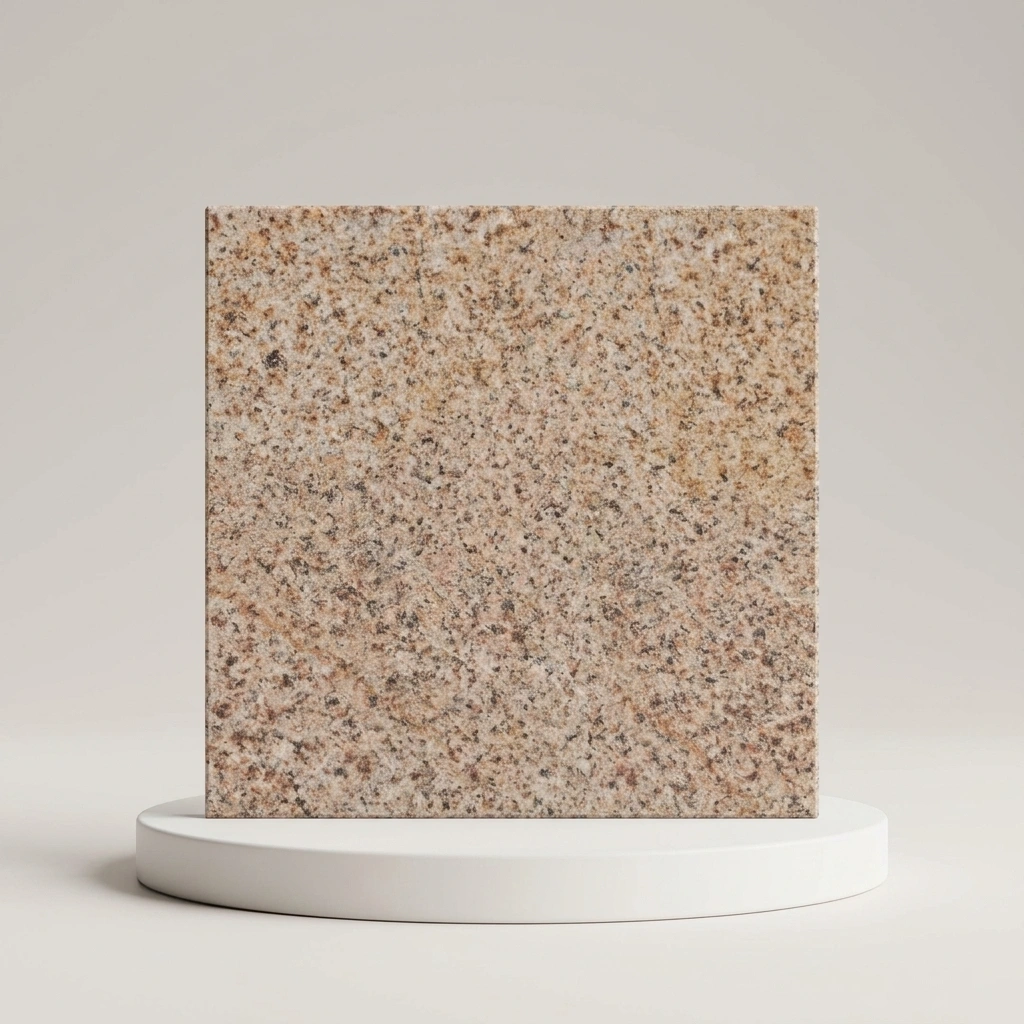
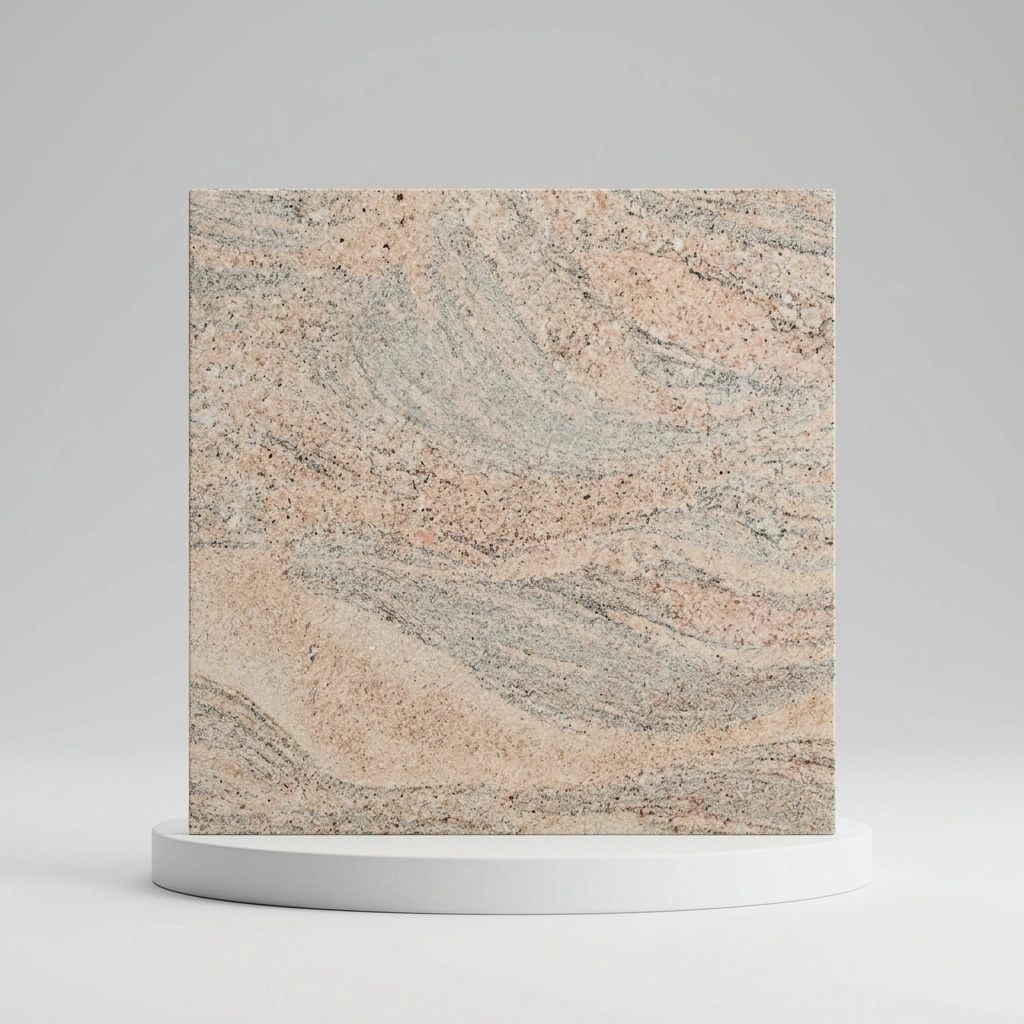


What are Granite Pavers?
Granite pavers are premium-grade natural stone units renowned across the Australian landscaping industry for their rugged endurance and classic visual appeal. Geologically, these pavers are sourced from igneous rock—a material formed by the gradual cooling and solidification of molten magma deep within the Earth’s crust.
At Stone Planet, we advocate for the use of granite pavers in diverse structural environments. Their heavy mineral concentration, specifically quartz and feldspar, ensures they remain incredibly resistant to thermal shock and physical abrasion. Choosing these pavers guarantees a permanent, high-value flooring solution that thrives under pressure while maintaining its prestige over time.
Key Characteristics & Composition
- Geological Origin: As a plutonic stone, the material used for our pavers undergoes a cooling process over thousands of years, creating an exceptionally dense and sturdy internal matrix.
- Distinctive Aesthetics: Every paver showcases a unique, crystalline texture. The natural “speckled” look ensures your project features a truly organic, non-repetitive pattern.
- Mineral Composition: These units are primarily composed of quartz and alkali feldspar, often detailed with shimmering mica and hornblende crystals.
- Australian Selection: Our inventory includes a versatile palette ranging from sleek silvers and charcoals to earthy reds and warm beiges, providing the most comprehensive choice for local designers.
What are the Features of Granite Pavers?
More than just a heavy-duty stone, granite pavers are volcanic marvels. For those looking to build for the long term, understanding these specific features reveals why they are the preferred choice for Australian outdoor environments.
Igneous Strength & Volcanic Density
Unlike sedimentary options like limestone, Granite is an igneous powerhouse. The immense pressure of its formation creates a stone that is almost immune to structural cracking and surface scratches, making it the most robust paving material on the market.
Thermal Stability & UV Endurance
Granite pavers are engineered by nature to survive the harsh Australian sun. High quartz levels allow the stone to remain stable during rapid temperature shifts. Furthermore, our lighter-toned pavers remain remarkably cool underfoot, making them ideal for barefoot summer areas.
Low Porosity & Moisture Resistance
The tight crystalline bond of granite pavers makes them significantly less absorbent than other natural stones. This low porosity is a vital feature for outdoor BBQ zones where grease, oil, and red wine spills are common occurrences.
Load-Bearing Excellence
We specialize in heavy-duty applications. Our granite for driveways is available in 30mm, 40mm, and 60mm thicknesses, specifically designed to handle:
- Vehicular Traffic: Engineered to support 4WDs, delivery vans, and heavy SUVs without compromising structural integrity.
P5 Safety Rating: Slip Resistance
For public paths and sloped residential driveways, safety is the priority. Our Flamed (Exfoliated) granite pavers meet the highest Australian safety benchmarks.
- Maximum Grip: Achieving the P5 Wet Pendulum rating, these pavers offer superior traction even during torrential rain, meeting the rigorous AS 4586:2013 standards.
The Australian Color Palette for Granite Pavers
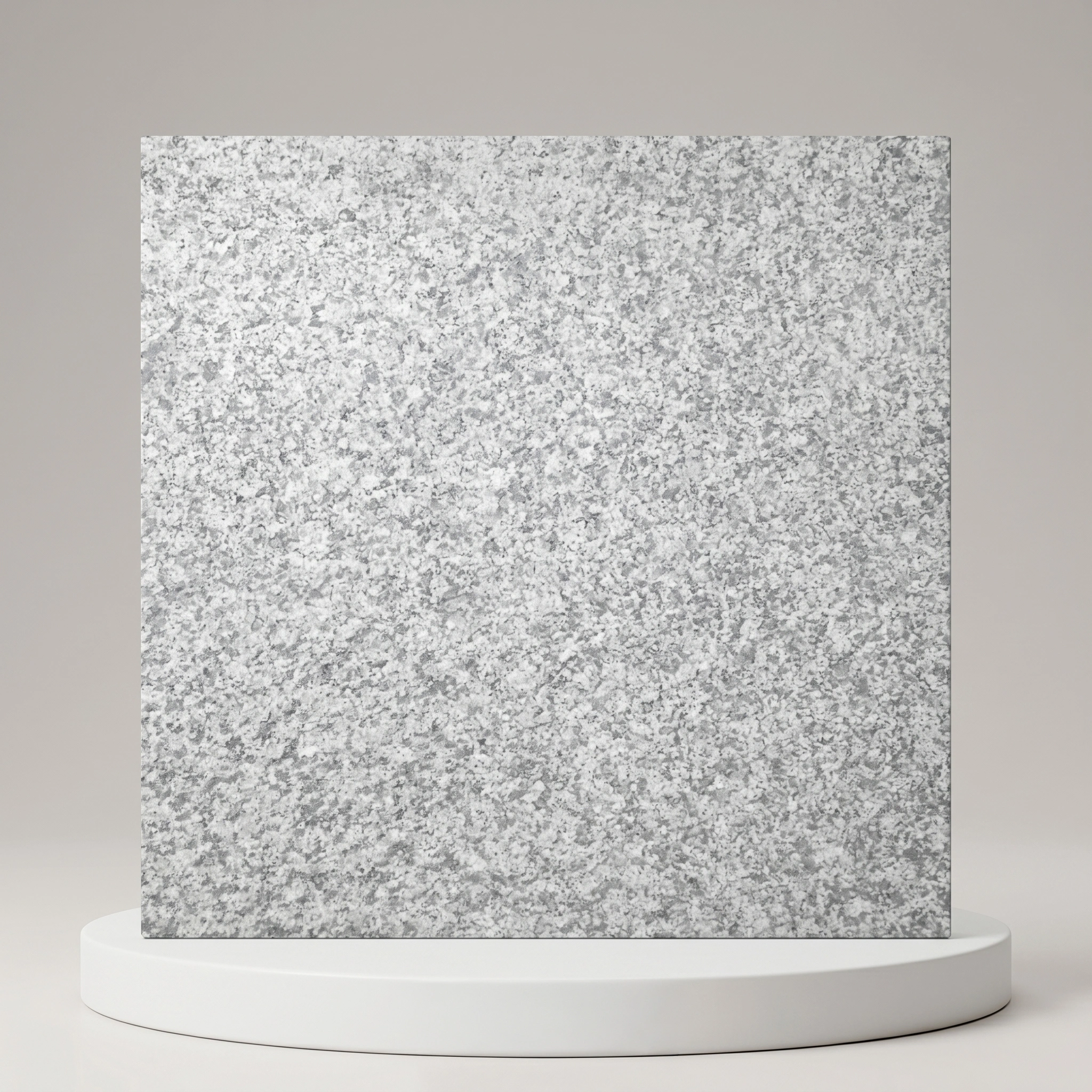
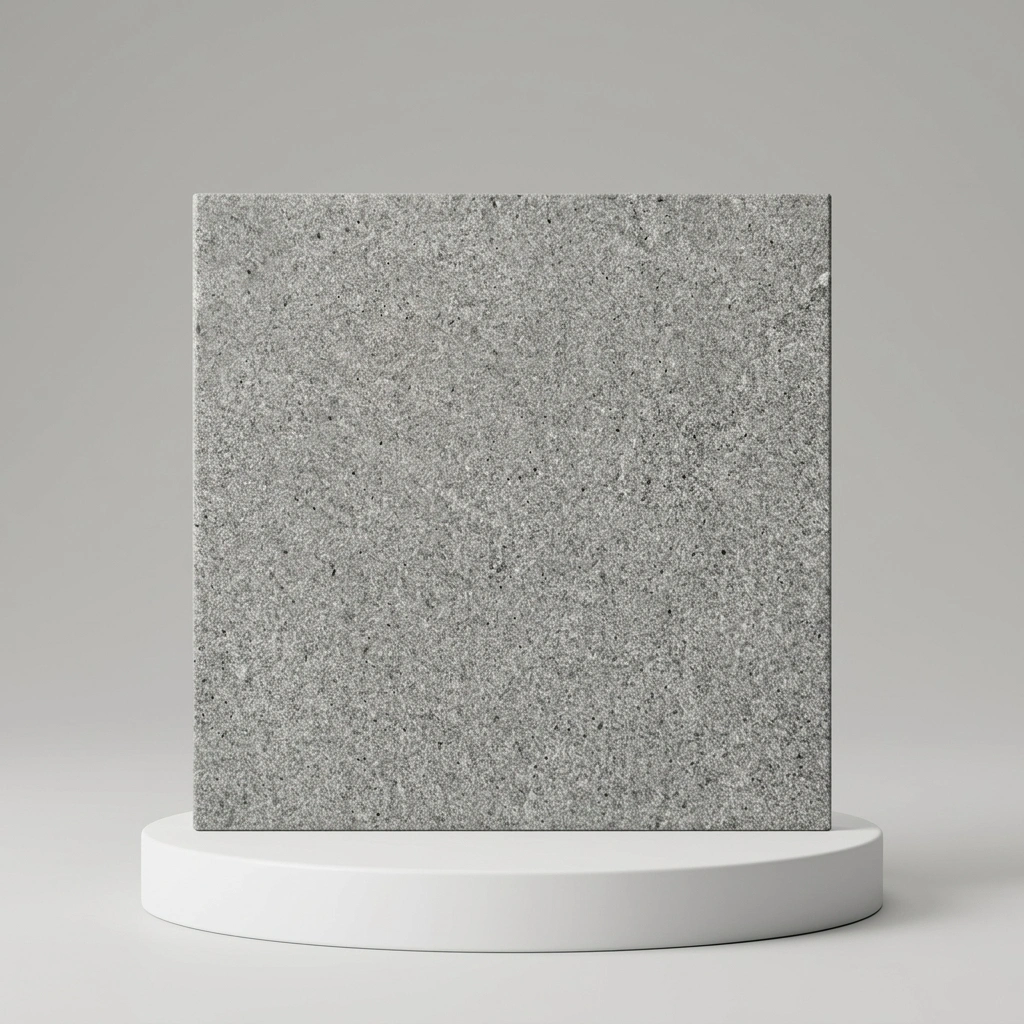
- Grey Granite: A modern staple; available from light silver to charcoal.
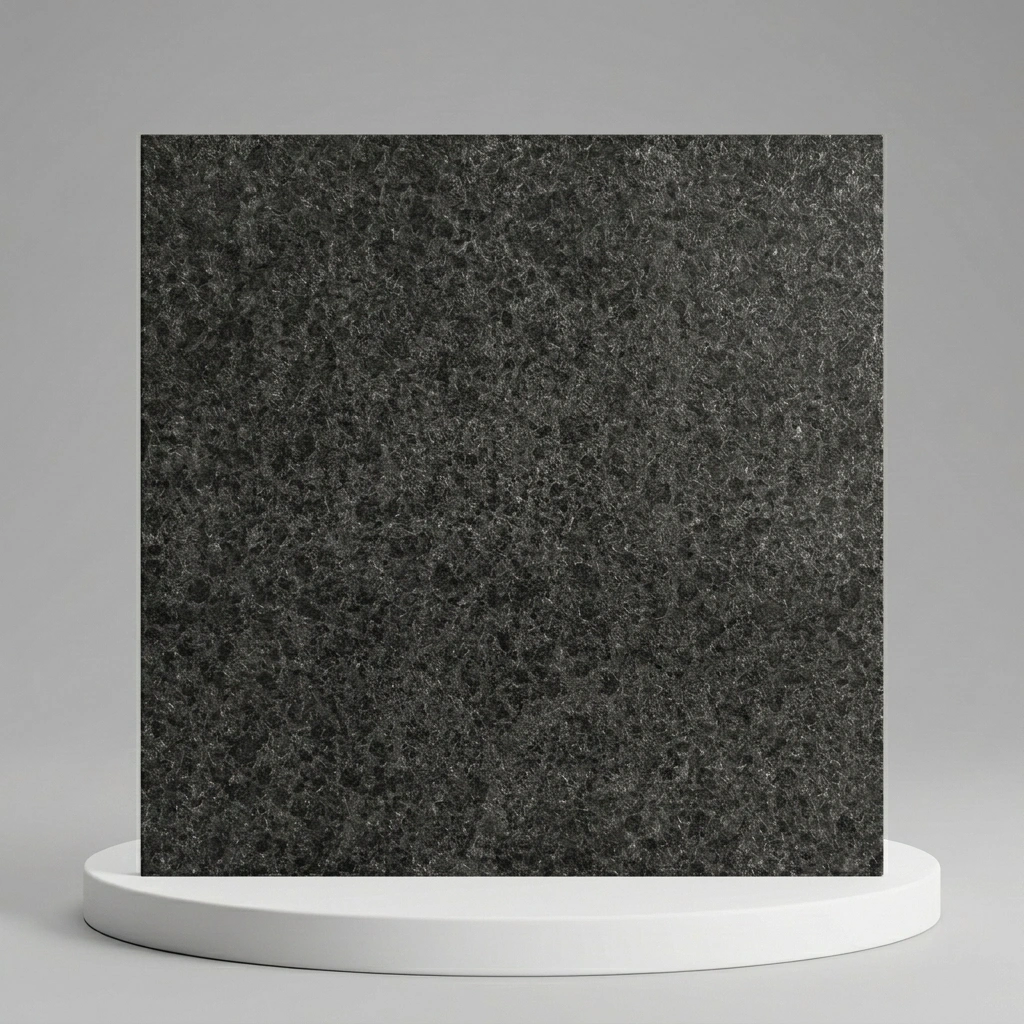
- Black Granite: High-impact and bold—perfect for contemporary luxury.
- Beige Granite: Sandy tones that reflect the Australian coastline.
- Red & Pink Granite: Earthy, heritage tones that add warmth to garden features.
Common Size Specifications of Granite Pavers
We provide a wide variety of dimensions to fit any project layout:
- 400x400mm | 600x400mm | 800x400mm
- Specialty Edges: 600x400mm (Drop Face, Bullnose, Pencil Edge)
- Step Sizes: 1210x350mm Treads and 1210x170mm Risers.
The Flamed Finish Advantage
The Flamed (Exfoliated) finish is created by high-heat exposure, causing crystals to pop and form a textured, non-slip surface. It is the gold standard for Australian patios, carports, and pool surrounds.
How to Maintain and Clean Granite Pavers
Maintaining the brilliance and structural integrity of your granite pavers is remarkably straightforward. Because of their volcanic nature, they are naturally more forgiving than softer stones like limestone or sandstone. However, following a professional care routine will ensure your investment looks brand new for decades.
Professional Sealing Recommendations
While granite is incredibly dense, it is still a natural product with microscopic pores. Proper sealing is the first line of defence against the elements.
- The Multi-Year Cycle: Due to the stone’s high density, you typically only need to reseal every 3 to 5 years. High-traffic driveways or salt-water pool surrounds may benefit from more frequent checks.
- Choosing the Right Sealer: Always use a high-quality penetrating (impregnating) sealer rather than a topical one. Penetrating sealers sit below the surface, allowing the stone to “breathe” while repelling oil and water-based stains.
- The “Bead Test”: To check if your pavers need attention, drop a small amount of water on the surface. If the water fails to “bead” and begins to soak in (darkening the stone), it is time to apply a fresh coat of sealer.
Comprehensive Cleaning Guide
A consistent cleaning routine prevents the buildup of organic matter and keeps the flamed finish looking sharp.
- Daily Maintenance: Regularly sweep or use a leaf blower to remove grit, sand, and dried leaves. In Australia, fine silica sand and garden debris can act like sandpaper underfoot; removing this daily prevents micro-abrasions on the stone’s surface.
- The Right Cleaners: Always use pH-neutral stone cleaners. Avoid common household DIY cleaners like vinegar, lemon juice, or generic floor detergents, as these can gradually break down your sealer and dull the stone’s natural luster.
- Managing Organic Buildup: For pavers under trees or in damp areas, moss and lichen can occasionally form. Use a specialized stone-safe mold and mildew remover rather than harsh bleach.
- Pressure Washing: Granite is tough enough to handle moderate pressure washing. It is an excellent way to remove stubborn dirt from an exfoliated finish. Pro Tip: Keep the nozzle at a 45-degree angle and avoid blasting the grout joints directly at high PSI to prevent “washout” of the jointing sand or mortar.
What is the difference between Granite Pavers and Granite Tiles?
When designing a high-performance outdoor space, the choice between Granite Pavers and Granite Tiles is defined by the structural demands of the environment. While both share the same volcanic origin and P5 safety rating, they are engineered for very different functional roles.
- Granite Pavers: The Structural Heavyweights
Granite Pavers are the “workhorse” of outdoor landscaping. They are engineered for high-impact zones where structural integrity and load-bearing capacity are the top priorities.
- Thickness & Strength: Available in 30mm, 40mm, and 60mm, these units provide the mass required to support significant weight.
- Primary Application: Specifically designed for driveways, carports, and public walkways. Their thickness ensures they can withstand the pressure of SUVs, 4WDs, and delivery vans without cracking.
- Specialized Formats: Beyond flat surfaces, the paver range includes architectural essentials like Step Treads, Risers, and Bullnose or Drop Face edges, making them indispensable for pool coping and garden stairs.
- Installation: Their substantial depth allows for versatility in installation, making them suitable for both sand-and-base or mortar-on-slab applications.
- Granite Tiles: The Refined Surfacing Solution
Granite Tiles offer a sophisticated, low-profile finish for areas where aesthetic precision and pedestrian comfort are the primary focus.
- Thickness & Aesthetic: Precision-calibrated to a standard 20mm thickness, these tiles provide a sleek, “minimalist luxury” look.
- Primary Application: Ideal for patios, alfresco dining areas, and pool surrounds. They are designed to create a seamless transition between different outdoor zones, offering a refined floor that feels premium underfoot.
- Precision Finishing: The 20mm profile allows for tighter, cleaner grout lines, resulting in a modern, high-end architectural finish that emphasizes the natural mineral beauty of the stone.
- Installation: Because they are thinner and more lightweight than pavers, they are best suited for installation over a prepared concrete slab.
Comparison Summary
| Feature | Outdoor Granite Pavers | Outdoor Granite Tiles |
| Mechanical Role | Structural Integrity & Load Bearing | Sophisticated Surfacing & Refinement |
| Standard Thickness | 30mm, 40mm, 60mm | 20mm |
| Best Suited For | Driveways, Carports, Steps | Patios, Pool Decks, Alfresco |
| Load Capacity | Heavy Vehicular Traffic | High Foot Traffic |
| Edge Profiles | Bullnose, Drop Face, Pencil Edge | Standard Straight Edge |
| Format Variety | Includes Treads & Risers | Standard Large Format |
Critical Care: What to Strictly Avoid
To protect the crystalline structure and aesthetic of your granite, ensure you and your cleaning contractors avoid the following:
| Avoid | The Consequence |
| Acids, Vinegar & Bleach | These are the enemies of natural stone. They can etch the quartz polish, “burn” the surface, and strip away the protective sealant. |
| Wire Brushes & Metal Tools | Steel wool or heavy-duty scouring pads can leave tiny metallic fragments in the stone’s pores. In the Australian humidity, these fragments will rust, causing deep-seated orange discolouration. |
| Topical Acrylic Sealers | These create a plastic-like film that traps moisture beneath the surface. This leads to “milky” clouding, “spalling” (surface flaking), and can make the stone dangerously slippery. |
| Extreme PSI Blasting | Using a commercial-grade pressure washer at maximum power too close to the surface can erode the natural mineral binders, creating “micro-pits” that trap dirt and algae. |
| De-Icing Salts | While rare in many parts of Australia, if you are in a frost-prone area, avoid chemical de-icers. Use plain sand for grip instead, as salts can cause “salt-attack” and surface pitting. |
Dealing with Spills
If a spill occurs, the secret is to blot, don’t rub. Rubbing can push the liquid deeper into the stone’s texture.
- Oil & Grease: For BBQ areas, if oil drips, cover it immediately with an absorbent powder (like cornstarch or specialized poultice powder) to lift the stain before cleaning with a pH-neutral degreaser.
- Wine & Acids: If wine or citrus hits the stone, wipe it up immediately with a damp cloth to prevent the acid from reacting with the mineral crystals.
The Stone Planet Advantage: Best Suppliers of Granite Pavers in Australia
Choosing Stone Planet means you are sourcing granite pavers that have been tested against the harshest Australian conditions. Our standard range includes P5-rated finishes, ensuring your project complies with AS 4586:2013 safety codes without sacrificing the natural, breathtaking beauty of authentic volcanic stone.
Our commitment to quality extends beyond the stone itself to the expert support we provide every client. With decades of industry knowledge, we guide you through every stage—from selecting the right thickness for heavy-duty driveways to advising on the best architectural finishes for a high-end driveway. When you choose Stone Planet, you are partnering with an Australian leader dedicated to turning Granite Pavers into a lifelong asset for your property.